
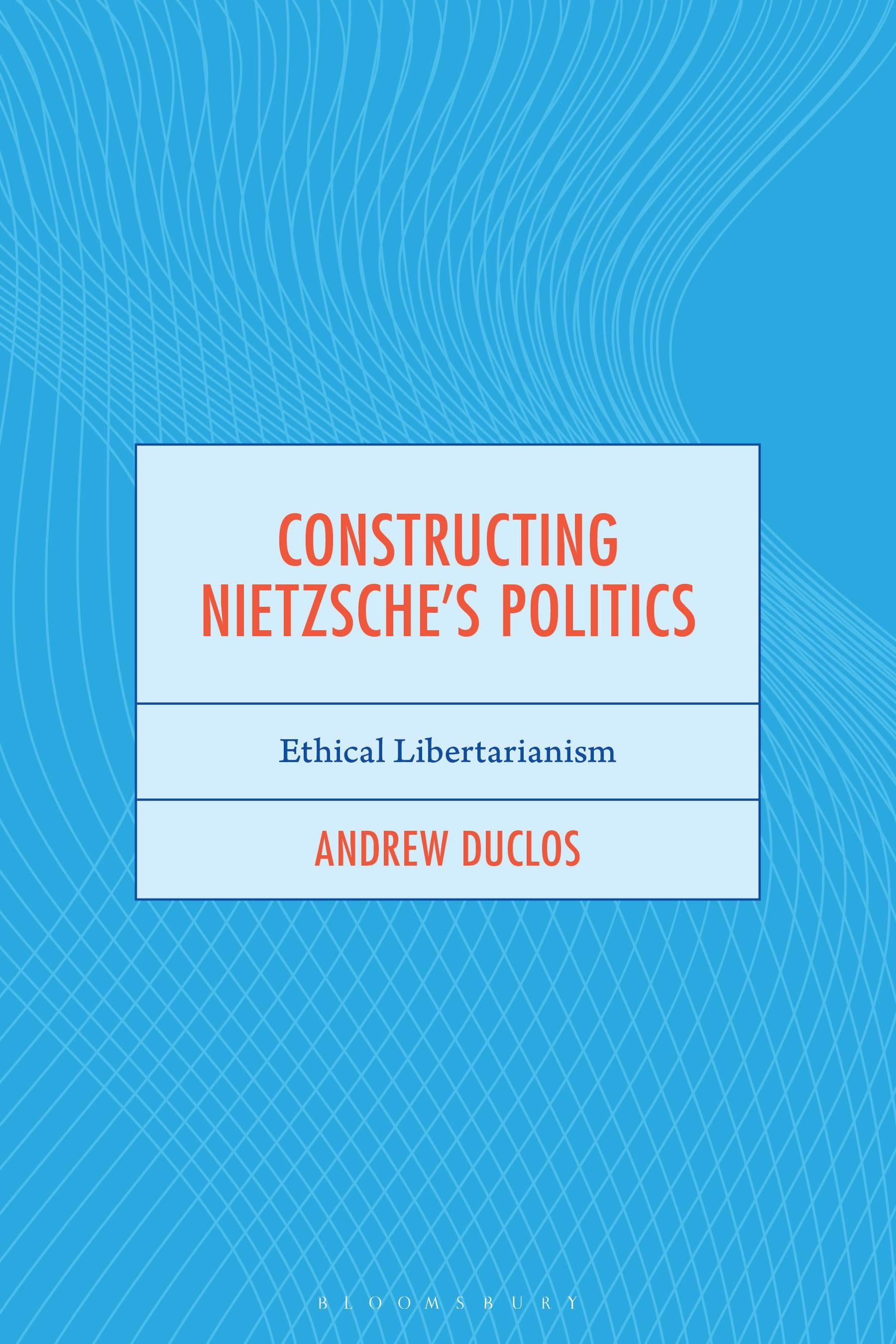
A timely new interpretation of Nietzsche's politics which reconciles the apparent contradictions in Nietzsche's texts by defining his politics as “ethical libertarianism.”
Nietzsche's politics has been the subject of much debate, with the existing scholarship largely divided between aristocratic and anti-democratic readings on the one hand, and democratic readings on the other. This book takes its place in the emerging trend of trying to find a “third way” by arguing that Nietzsche's philosophy implies a form of libertarianism. This interpretation emphasizes individual self-transformation and the need to organize society in a way which best facilitates this for its members. While libertarianism is closest to Nietzsche's requirements, it needs to be reformulated to be made fully consistent with his philosophy. This requires a rejection of any grounding of the natural rights of the individual, presumed to be equal for all, in a metaphysical conception of the self. A Nietzschean “ethical libertarianism” would be based on protecting equal access of individuals to conditions which promote self-cultivation. It is thus democratic, but also meritocratic, as rights will be seen to accrue on the basis of individual development.
Nietzsche's politics has been the subject of much debate, with the existing scholarship largely divided between aristocratic and anti-democratic readings on the one hand, and democratic readings on the other. This book takes its place in the emerging trend of trying to find a “third way” by arguing that Nietzsche's philosophy implies a form of libertarianism. This interpretation emphasizes individual self-transformation and the need to organize society in a way which best facilitates this for its members. While libertarianism is closest to Nietzsche's requirements, it needs to be reformulated to be made fully consistent with his philosophy. This requires a rejection of any grounding of the natural rights of the individual, presumed to be equal for all, in a metaphysical conception of the self. A Nietzschean “ethical libertarianism” would be based on protecting equal access of individuals to conditions which promote self-cultivation. It is thus democratic, but also meritocratic, as rights will be seen to accrue on the basis of individual development.
Betal enkelt med kort, Klarna, Apple Pay eller Google Pay. Ikke fornøyd? Du har alltid 14 dagers angrerett. Les mer i våre vilkår. Har du spørsmål, send oss en e-post på hello@memmo.org.
Memmo gjør det enklere å studere – uansett hvor du er i verden. Hos oss samler du pensumbøker og smarte studieverktøy på ett og samme sted: sammendrag, quizer, podkaster og flashcards. Og så Ted, din studiekompis som svarer på alt du lurer på. Over 50 000 studenter studerer allerede her – bygget for at du skal lære raskere og stresse mindre.