
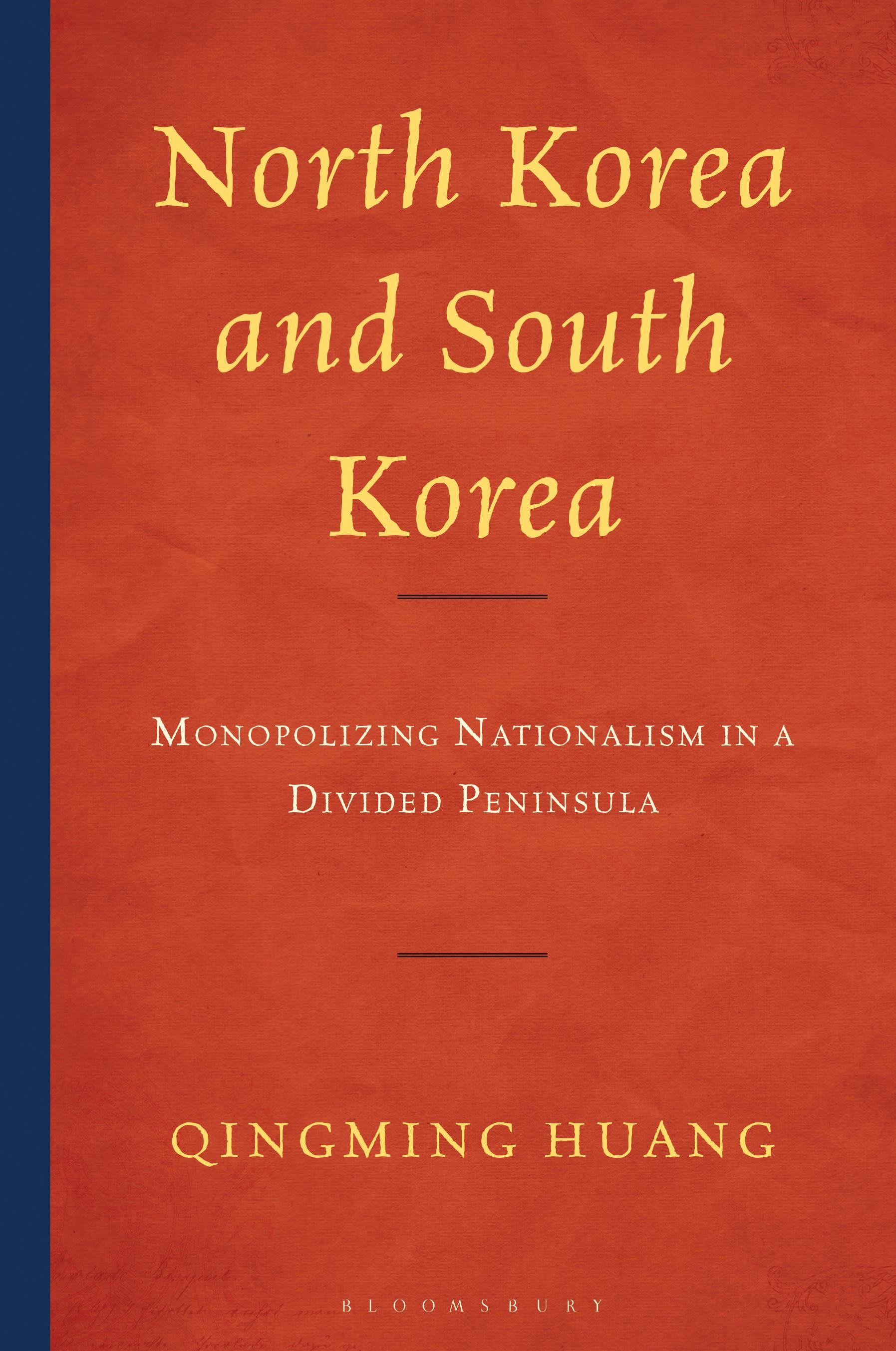
The autocratic regimes in both North Korea and South Korea attempted to legitimize their rule through efforts in nation-building but achieved different results. North Korea and South Korea: Monopolizing Nationalism in a Divided Peninsula seeks to answer: How did these regimes' nation-building strategies through a variety of tools and venues differ in the process of regime development? How was nationalism utilized to construct a regime-legitimizing founding myth? What implications did these varied efforts have on authoritarian legitimacy and state-society relations under authoritarian rule?
Focusing on the period from the end of the Second World War and the start of the Korean War to South Korea's democratic transitions in the 1980s and North Korea's crises in the 1990s, Qingming Huang examines the authoritarian regimes' efforts in monopolizing the narratives of nationalism and constructing the founding myths of the regimes through textbooks and other myth-making venues. Huang argues that the North Korean regime's monopoly of nationalism helped it construct the founding myth of the party-state as an essential source of regime legitimacy. In contrast, the autocratic regimes in South Korea failed to eliminate the competing narratives about the nation and were unable to monopolize nationalism. As a result, South Korea struggled to construct a founding myth to buttress the regimes and became more vulnerable to domestic challenges.
Focusing on the period from the end of the Second World War and the start of the Korean War to South Korea's democratic transitions in the 1980s and North Korea's crises in the 1990s, Qingming Huang examines the authoritarian regimes' efforts in monopolizing the narratives of nationalism and constructing the founding myths of the regimes through textbooks and other myth-making venues. Huang argues that the North Korean regime's monopoly of nationalism helped it construct the founding myth of the party-state as an essential source of regime legitimacy. In contrast, the autocratic regimes in South Korea failed to eliminate the competing narratives about the nation and were unable to monopolize nationalism. As a result, South Korea struggled to construct a founding myth to buttress the regimes and became more vulnerable to domestic challenges.
Sider: 184
Kategori: Statsvetenskap & Politik
e-ISBN: 9781978765177
Fraktvekt: 1.2 kg
Sendes innen: 1-2 dager
Betal enkelt med kort, Klarna, Apple Pay eller Google Pay. Ikke fornøyd? Du har alltid 14 dagers angrerett. Les mer i våre vilkår. Har du spørsmål, send oss en e-post på hello@memmo.org.
Memmo gjør det enklere å studere – uansett hvor du er i verden. Hos oss samler du pensumbøker og smarte studieverktøy på ett og samme sted: sammendrag, quizer, podkaster og flashcards. Og så Ted, din studiekompis som svarer på alt du lurer på. Over 50 000 studenter studerer allerede her – bygget for at du skal lære raskere og stresse mindre.