
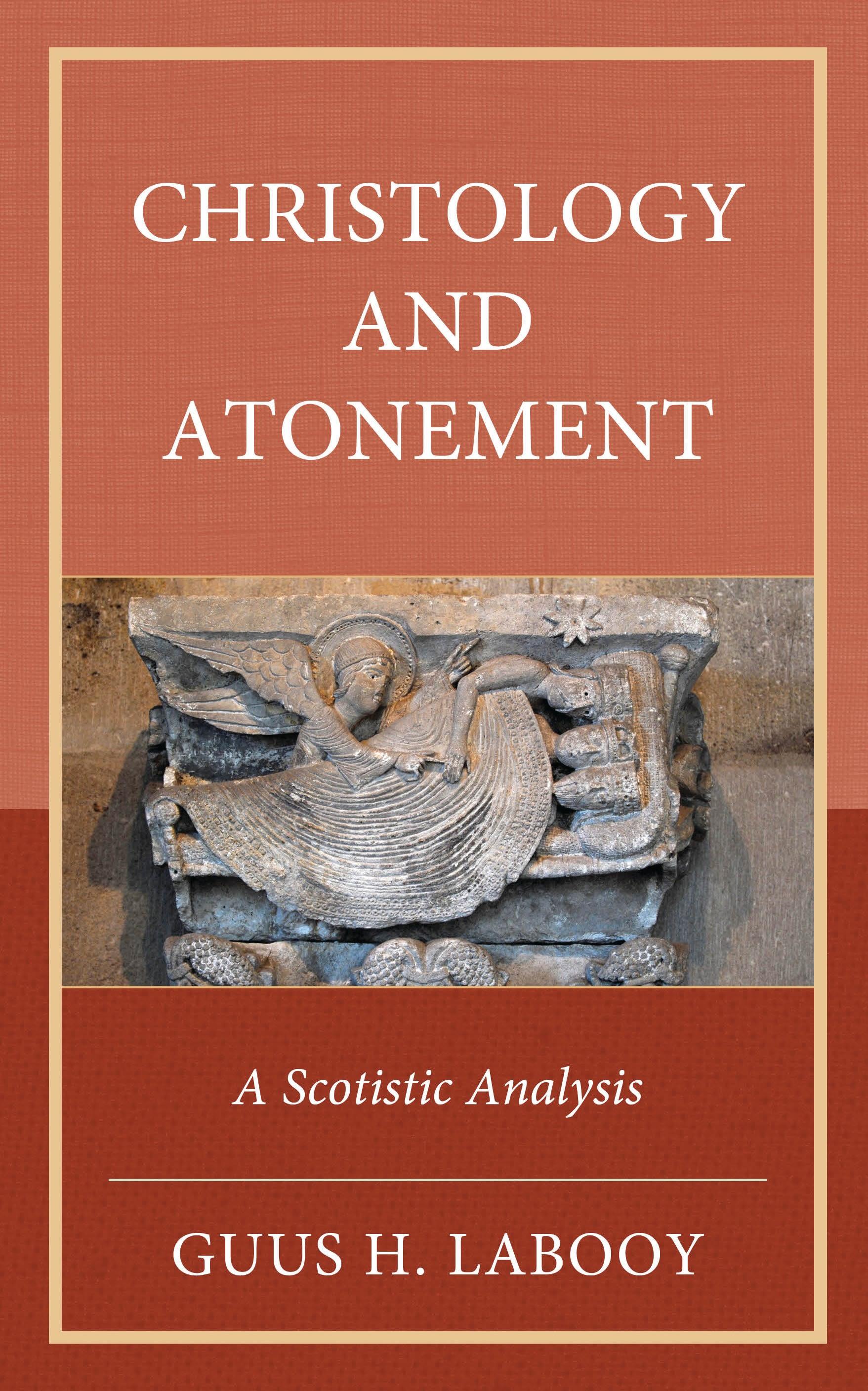
This scotistic study in analytical theology presupposes Conciliar Christology and aims at a more profound understanding of two vital and connected Christian doctrines: Christology and atonement. The beating heart of the first part is Duns Scotus's compelling analysis of the incarnation: his uniquely successful analysis of the “hypostatic union.” Following Marilyn McCord Adams, Guus H. Labooy argues that the problem of Christological predication can be solved by probing the metaphysical backbone of “qua-propositions” (expressions like “as regards his Godhead” and “as regards his manhood”). Labooy dedicates the second part of the book to the analysis of atonement, especially to its most controversial aspect, “penal substitution.” The Messiah dying for our sins is perhaps the storm centre of the confrontation between Christian faith and the secular intellectual mindset. Labooy argues on exegetical grounds that all the current models of atonement are complementary. None of them should be discarded and neither should penal substitution. The account of penal substitution (or vicarious penance) he defends is shaped with the decisive aid of Scotus's analytical tools.
Betal enkelt med kort, Klarna, Apple Pay eller Google Pay. Ikke fornøyd? Du har alltid 14 dagers angrerett. Les mer i våre vilkår. Har du spørsmål, send oss en e-post på hello@memmo.org.
Memmo gjør det enklere å studere – uansett hvor du er i verden. Hos oss samler du pensumbøker og smarte studieverktøy på ett og samme sted: sammendrag, quizer, podkaster og flashcards. Og så Ted, din studiekompis som svarer på alt du lurer på. Over 50 000 studenter studerer allerede her – bygget for at du skal lære raskere og stresse mindre.