
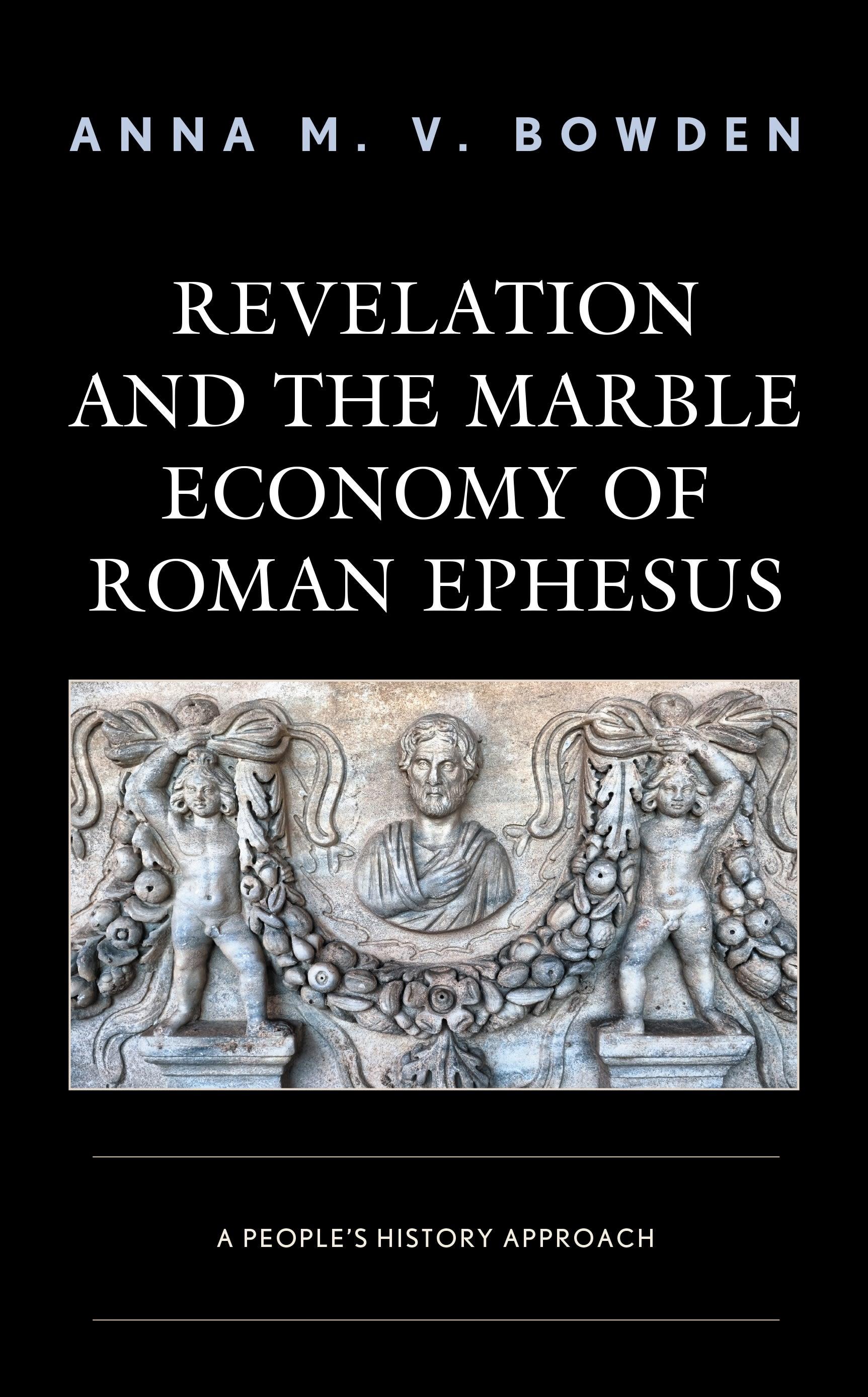
In an effort to bring the (im)practicalities of John’s command for withdrawal from cultural participation in 18:4 to the forefront of scholarly discourse, this book reconstructs the marble economy of ancient Ephesus and proceeds to read Revelation by foregrounding the daily lives of its marble-workers. This book argues that Ephesus was a major center of the marble economy in the Roman world and that the infrastructure that went into creating, building, and sustaining such an enterprise generated the need for a large workforce. Anna M. V. Bowden further demonstrates that the majority of marble-workers endured poor working conditions and struggled on a daily basis to ensure subsistence. Finally, Bowden explores the ways marble-workers participated in empire “through the work of their hands” (9:20) and questions John’s characterization of marble-workers as idolaters, sorcerers, murderers, fornicators, and thieves. Bowden concludes that the praxis Revelation requires from its audience of complete withdrawal is pragmatically not sustainable and is ultimately a manifesto leaving marble-workers jobless, hungry, and with a heightened risk for malnutrition, disease, injury, and even death.
Betal enkelt med kort, Klarna, Apple Pay eller Google Pay. Ikke fornøyd? Du har alltid 14 dagers angrerett. Les mer i våre vilkår. Har du spørsmål, send oss en e-post på hello@memmo.org.
Memmo gjør det enklere å studere – uansett hvor du er i verden. Hos oss samler du pensumbøker og smarte studieverktøy på ett og samme sted: sammendrag, quizer, podkaster og flashcards. Og så Ted, din studiekompis som svarer på alt du lurer på. Over 50 000 studenter studerer allerede her – bygget for at du skal lære raskere og stresse mindre.