
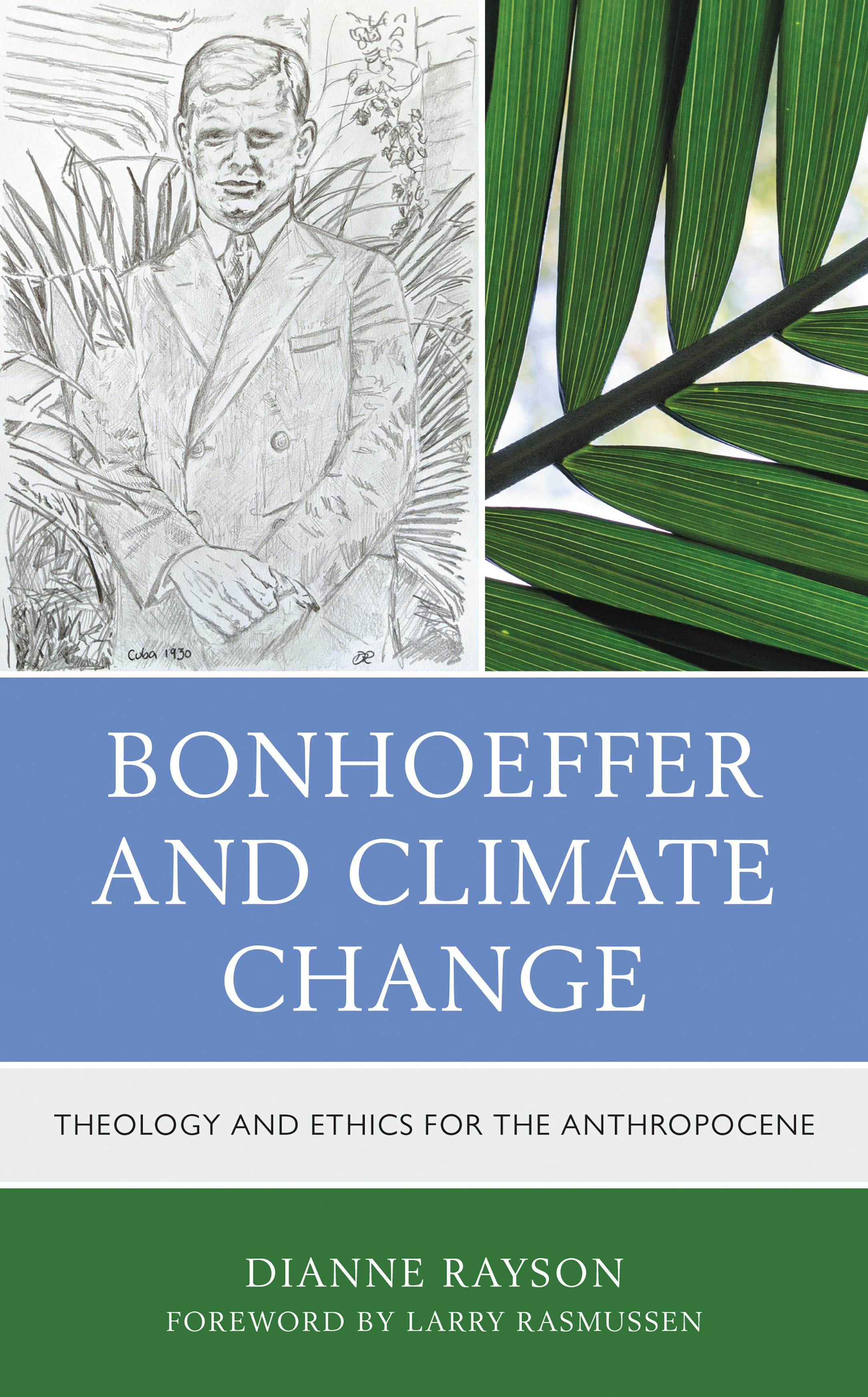
Where is the voice of theology in the public discourse around anthropogenic climate change? How do we understand the human relationship to Earth and the ecology of which we are a part? How can we account for the human attempt to dominate nature and the devastation we have caused to our own home?
Dianne Rayson addresses these questions. She uses the creation theology of Dietrich Bonhoeffer to examine what it means to be human in the post-Holocene age. Employing a range of Bonhoeffer’s texts, Rayson posits that Bonhoeffer’s Christological theology and this-worldly ethical orientation provide the tools for an Earthly Christianity. She responds to Bonhoeffer’s question, “who actually is Jesus Christ, for us, today?” and proposes a Bonhoefferian ecoethic.
Dianne Rayson addresses these questions. She uses the creation theology of Dietrich Bonhoeffer to examine what it means to be human in the post-Holocene age. Employing a range of Bonhoeffer’s texts, Rayson posits that Bonhoeffer’s Christological theology and this-worldly ethical orientation provide the tools for an Earthly Christianity. She responds to Bonhoeffer’s question, “who actually is Jesus Christ, for us, today?” and proposes a Bonhoefferian ecoethic.
Betal enkelt med kort, Klarna, Apple Pay eller Google Pay. Ikke fornøyd? Du har alltid 14 dagers angrerett. Les mer i våre vilkår. Har du spørsmål, send oss en e-post på hello@memmo.org.
Memmo gjør det enklere å studere – uansett hvor du er i verden. Hos oss samler du pensumbøker og smarte studieverktøy på ett og samme sted: sammendrag, quizer, podkaster og flashcards. Og så Ted, din studiekompis som svarer på alt du lurer på. Over 50 000 studenter studerer allerede her – bygget for at du skal lære raskere og stresse mindre.