
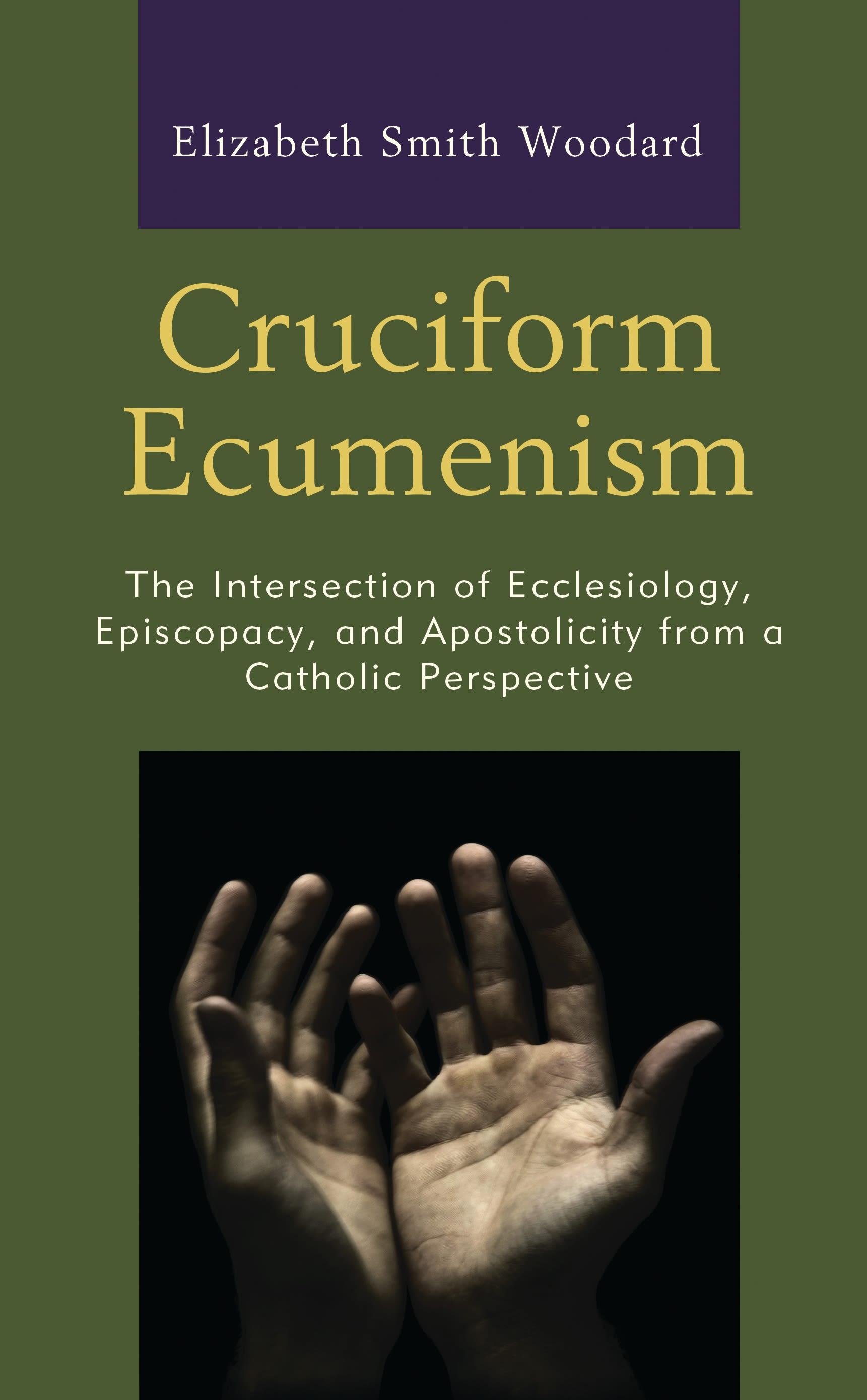
The truth claims of Christianity appear compromised by the division of Christ’s followers into different denominations. What keeps Christians separated, retreating to their corners labeled Catholic, Orthodox, and various types of Protestant? Elizabeth Smith Woodard accounts for Christian disunity in terms of ecclesiology, episcopacy, and apostolicity: in brief, Who are we? Who is in charge? And are we who we say we are? Woodard argues that the controversial issues dividing Christians today stem from these questions of authority and identity. What would it look like, Woodard asks, if Christians did not insist on making “others” more “like us,” but instead worked toward all of “us” becoming more and more like Christ? She answers that growing in such cruciformity should serve as the basis for unity. Using recent unity-achieving Anglican-Lutheran discussions as a case study, she examines the crucial intersection of ecclesiology, episcopacy, and apostolicity to argue that Christians’ growth in Christ’s mission necessarily entails growing in unity and cruciformity.
Betal enkelt med kort, Klarna, Apple Pay eller Google Pay. Ikke fornøyd? Du har alltid 14 dagers angrerett. Les mer i våre vilkår. Har du spørsmål, send oss en e-post på hello@memmo.org.
Memmo gjør det enklere å studere – uansett hvor du er i verden. Hos oss samler du pensumbøker og smarte studieverktøy på ett og samme sted: sammendrag, quizer, podkaster og flashcards. Og så Ted, din studiekompis som svarer på alt du lurer på. Over 50 000 studenter studerer allerede her – bygget for at du skal lære raskere og stresse mindre.