
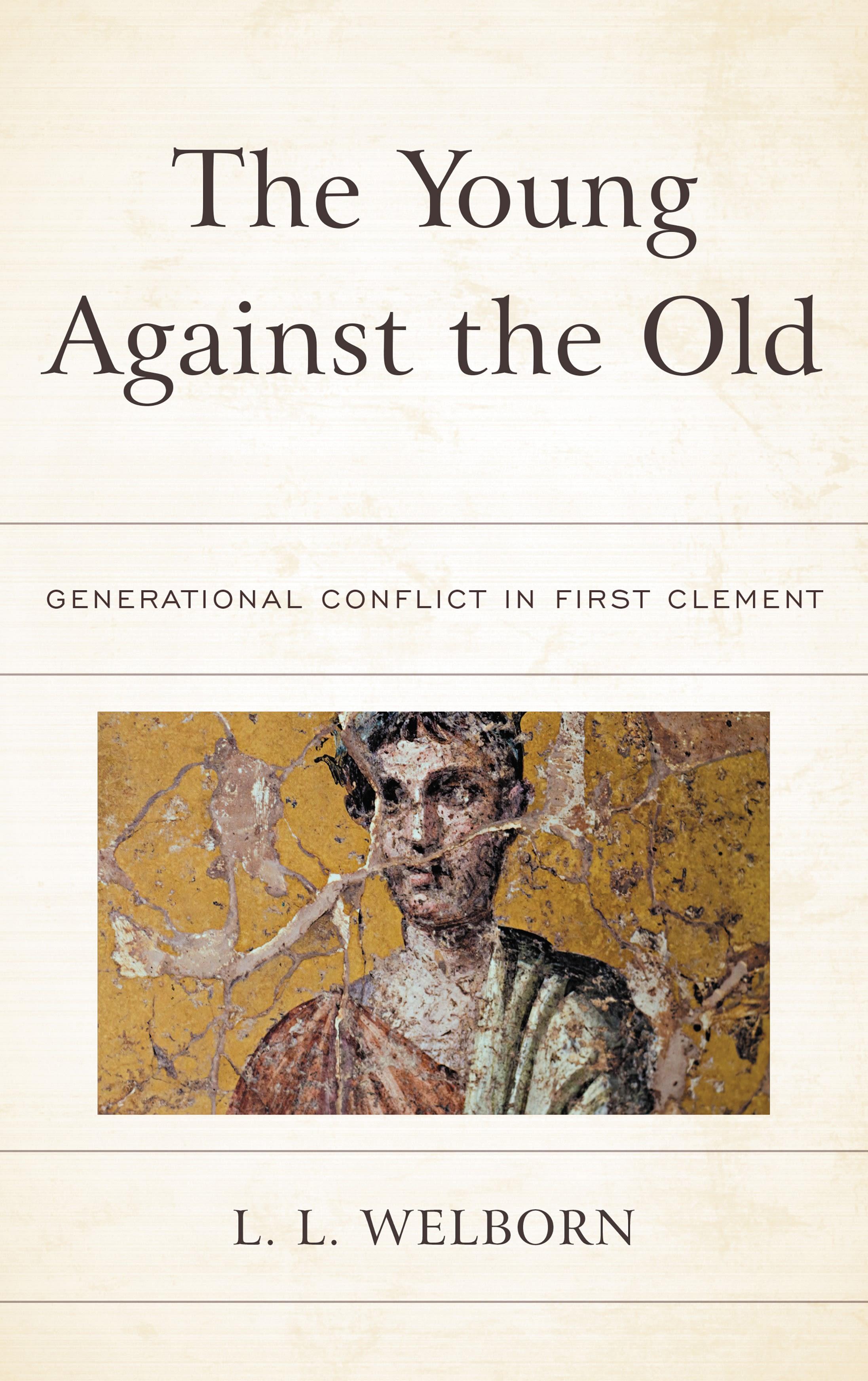
The so-called First Epistle of Clement has long intrigued historians of early Christianity. It responds to a crisis in the Corinthian church by enjoining an ethic of subordination especially to the presbyteroi and episkopoi, but the exact nature of that conflict has eluded scholars. L. L. Welborn sets out a clear methodology for reconstructing the historical situation behind the letter, then examines the conventions of its deliberative rhetoric, its blending of citations from the Old Testament and Paul’s letters, and its reliance on topoi from Greco-Roman civic discourse. He then presents a compelling argument for the letter’s occasion. First Clement assails a “revolt” among the youth against their elders, invoking epithets and characterizations that were, as Welborn demonstrates at length, common in political discourse supporting the status quo. At length, Welborn proposes two possible scenarios for the precise nature of the “revolt” in Corinth— a revolt possibly inspired by memories of the apostle Paul— and details the replacement of a Pauline ethic with a strict code of subordination.
Betal enkelt med kort, Klarna, Apple Pay eller Google Pay. Ikke fornøyd? Du har alltid 14 dagers angrerett. Les mer i våre vilkår. Har du spørsmål, send oss en e-post på hello@memmo.org.
Memmo gjør det enklere å studere – uansett hvor du er i verden. Hos oss samler du pensumbøker og smarte studieverktøy på ett og samme sted: sammendrag, quizer, podkaster og flashcards. Og så Ted, din studiekompis som svarer på alt du lurer på. Over 50 000 studenter studerer allerede her – bygget for at du skal lære raskere og stresse mindre.