
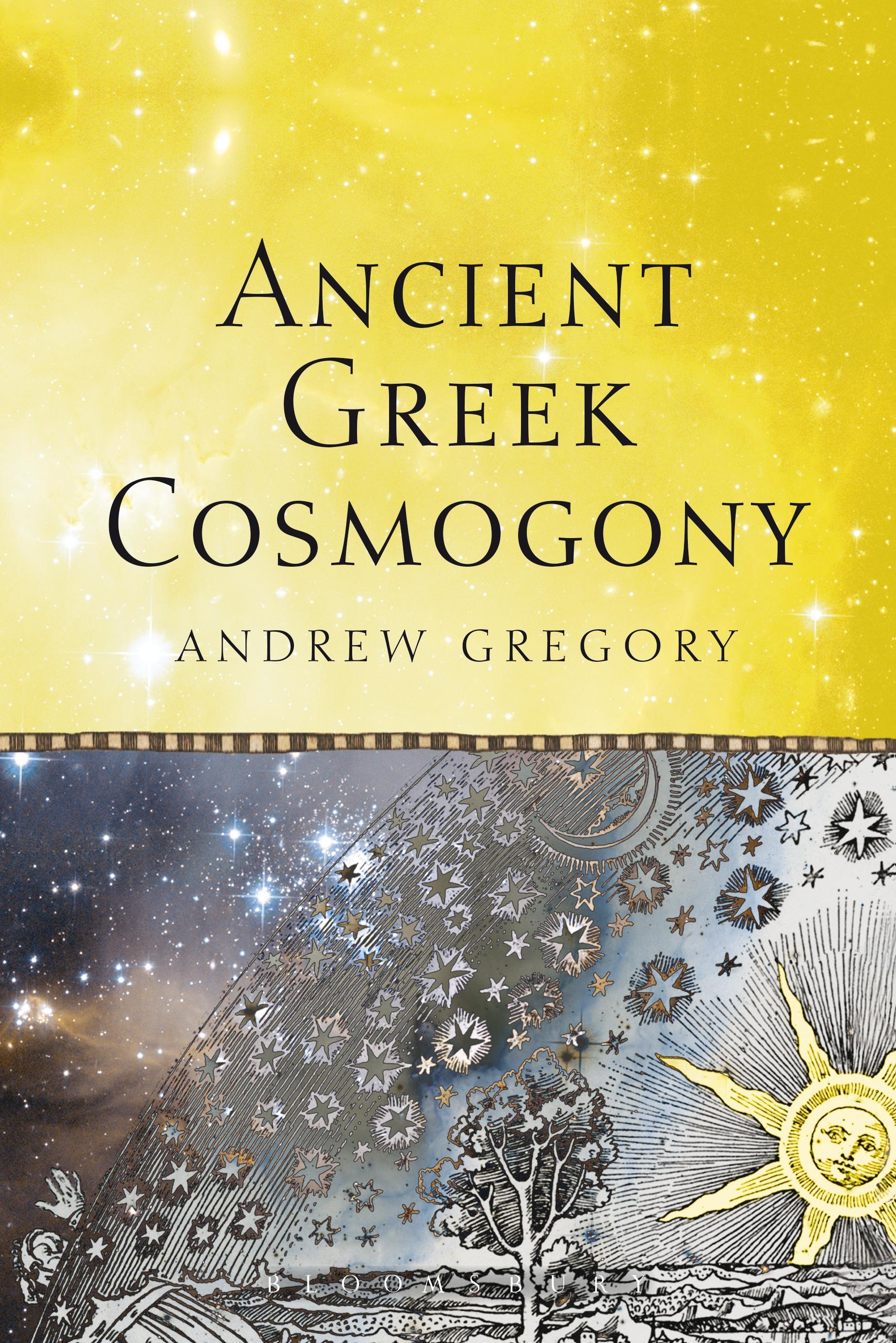
Ancient Greek Cosmogony is the first detailed, comprehensive account of ancient Greek theories of the origins of the world. It covers the period from 800 BC to 600 AD, beginning with myths concerning the creation of the world; the cosmogonies of all the major Greek and Roman thinkers; and the debate between Greek philosophical cosmogony and early Christian views. It argues that Greeks formulated many of the perennial problems of philosophical cosmogony and produced philosophically and scientifically interesting answers.
The atomists argued that our world was one among many worlds, and came about by chance. Plato argued that it is unique, and the product of design. Empedocles and the Stoics, in quite different ways, argued that there was an unending cycle whereby the world is generated, destroyed and generated again. Aristotle on the other hand argued that there was no such thing as cosmogony, and the world has always existed. Reactions to, and developments of, these ideas are traced through Hellenistic philosophy and the debates in early Christianity on whether God created the world from nothing or from some pre-existing chaos.
The book examines issues of the origins of life and the elements for the ancient Greeks, and how the cosmos will come to an end. It argues that there were several interesting debates between Greek philosophers on the fundamental principles of cosmogony, and that these debates were influential on the development of Greek philosophy and science.
The atomists argued that our world was one among many worlds, and came about by chance. Plato argued that it is unique, and the product of design. Empedocles and the Stoics, in quite different ways, argued that there was an unending cycle whereby the world is generated, destroyed and generated again. Aristotle on the other hand argued that there was no such thing as cosmogony, and the world has always existed. Reactions to, and developments of, these ideas are traced through Hellenistic philosophy and the debates in early Christianity on whether God created the world from nothing or from some pre-existing chaos.
The book examines issues of the origins of life and the elements for the ancient Greeks, and how the cosmos will come to an end. It argues that there were several interesting debates between Greek philosophers on the fundamental principles of cosmogony, and that these debates were influential on the development of Greek philosophy and science.
Betal enkelt med kort, Klarna, Apple Pay eller Google Pay. Ikke fornøyd? Du har alltid 14 dagers angrerett. Les mer i våre vilkår. Har du spørsmål, send oss en e-post på hello@memmo.org.
Memmo gjør det enklere å studere – uansett hvor du er i verden. Hos oss samler du pensumbøker og smarte studieverktøy på ett og samme sted: sammendrag, quizer, podkaster og flashcards. Og så Ted, din studiekompis som svarer på alt du lurer på. Over 50 000 studenter studerer allerede her – bygget for at du skal lære raskere og stresse mindre.