
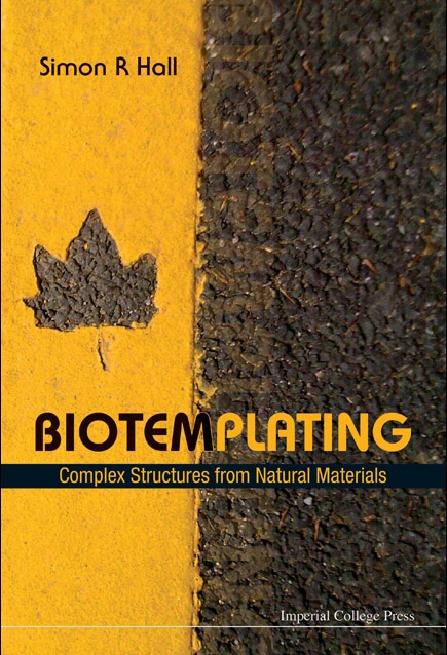
In terms of structural complexity, the natural world presents innumerable examples of stunning beauty and high functionality, usually with the minimum of material and energy expenditure. Materials chemists can harness these amazing structures as ready-made scaffolds on which to grow inorganic phases which replicate the underlying complexity, thereby producing materials with greatly enhanced physical properties. This book comprehensively describes the entire range of natural materials that have been used in this way and the inorganic phases which result from them. The book covers simple molecules such as cellulose and chitin, to large biological constructs such as bacterial proteins, viruses and pollen. Practically every inorganic material has been synthesized using biotemplating methods and the book reflects this, ranging from simple oxides and carbonates such as silica and calcite, to complex semi- and superconducting materials. The book also discusses the formation of these materials from a mechanistic point of view, thereby enabling the reader to better understand the processes involved in biotemplated mineralization.
Betal enkelt med kort, Klarna, Apple Pay eller Google Pay. Ikke fornøyd? Du har alltid 14 dagers angrerett. Les mer i våre vilkår. Har du spørsmål, send oss en e-post på hello@memmo.org.
Memmo gjør det enklere å studere – uansett hvor du er i verden. Hos oss samler du pensumbøker og smarte studieverktøy på ett og samme sted: sammendrag, quizer, podkaster og flashcards. Og så Ted, din studiekompis som svarer på alt du lurer på. Over 50 000 studenter studerer allerede her – bygget for at du skal lære raskere og stresse mindre.
Du vil kanskje også like
Kjøp boken0