
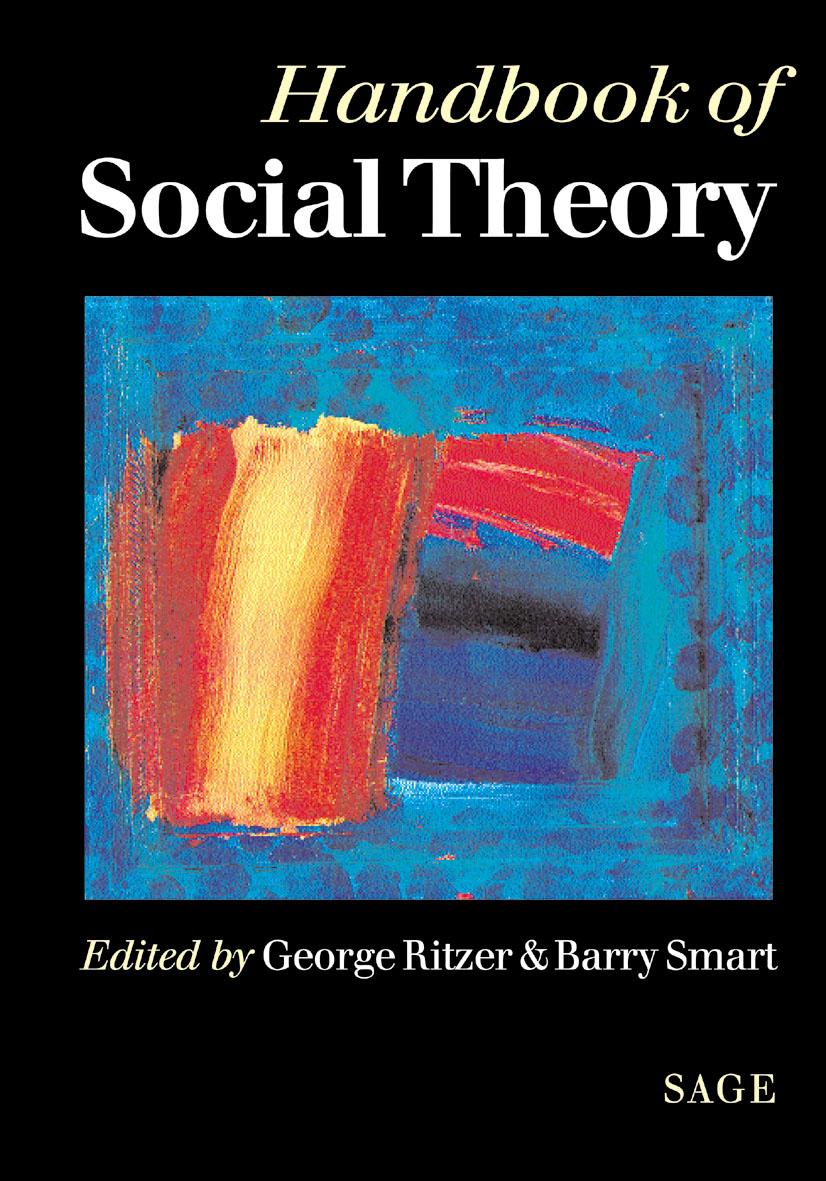
The volume is divided into three parts. The first part examines the classical tradition. Included here are critical discussions of Comte, Spencer, Marx, Durkheim, Weber, Simmel, Mead, Freud, Mannheim and classical feminist thought. This part conveys the classical tradition as a living resource in social theory, it demonstrates not only the critical significance of classical writings, but their continuing relevance.
The second part moves on to examine the terrain of contemporary social theory. The contributions discuss the significance and strengths and weaknesses of structural functionalism, recent Marxian theory, critical theory, symbolic interactionism, phenomenology, ethnomethodology, exchange theory, rational choice, contemporary feminism, multiculturalism, postmodernism, the thought of Foucault and Habermas, and figurational sociology. The reader gains a comprehensive and informed picture of the key issues and central figures of the day.
The final part ranges over the key debates in current social theory. Questions relating to positivism, metatheorizing, cultural studies, consumption, sexualities, the body, globalism, nationalism, socialism, knowledge societies, ethics and morality, as well as post-social relations are fully discussed. The dilemmas and promise of contemporary social theory are revealed with pinpoint accuracy.
Betal enkelt med kort, Klarna, Apple Pay eller Google Pay. Ikke fornøyd? Du har alltid 14 dagers angrerett. Les mer i våre vilkår. Har du spørsmål, send oss en e-post på hello@memmo.org.
Memmo gjør det enklere å studere – uansett hvor du er i verden. Hos oss samler du pensumbøker og smarte studieverktøy på ett og samme sted: sammendrag, quizer, podkaster og flashcards. Og så Ted, din studiekompis som svarer på alt du lurer på. Over 50 000 studenter studerer allerede her – bygget for at du skal lære raskere og stresse mindre.