
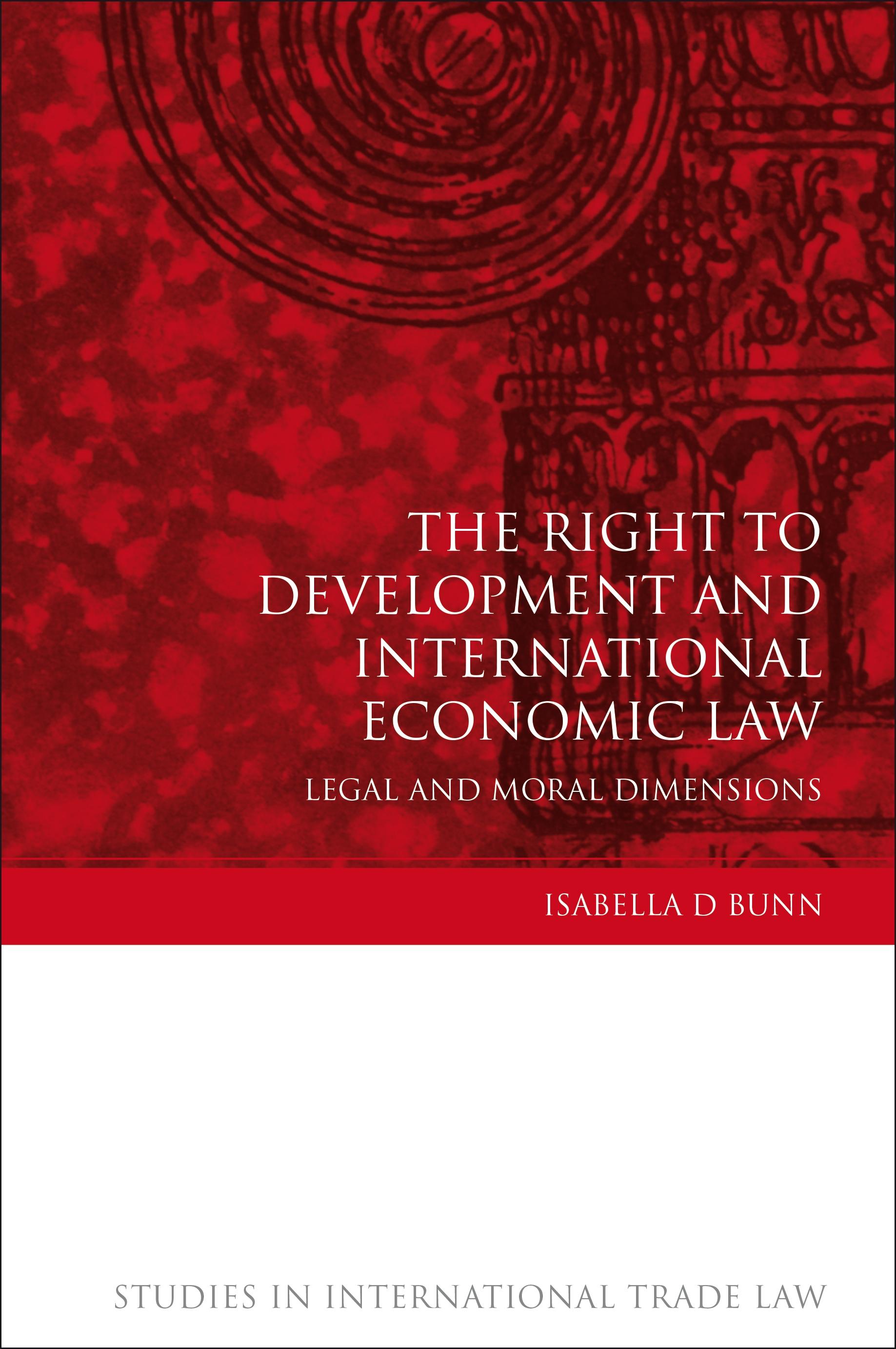
The United Nations is commemorating the 25th anniversary of the 1986 Declaration on the Right to Development, which proclaimed the right to be: 'an inalienable human right by virtue of which every human person and all peoples are entitled to participate in, contribute to, and enjoy economic, social, cultural and political development, in which all human rights and fundamental freedoms can be realized'. The UN now aims to mainstream the right into its policies and operational activities, and is reviewing prospects for an internationally-binding legal instrument. The evolution of the right to development, however, has been dominated by debates about its conceptual validity and practical ramifications. It has been hailed as the cornerstone of the entire human rights system and criticized as a distracting ideological initiative. Questions also persist about the role of the right in reforming the international economic order.
This book examines the legal and moral foundations of the right to development, addressing the major issues. It then considers the right to development in the global economy, noting the challenges of globalization and identifying key principles such as differential treatment of developing countries, participation and accountability. It relates the right to broad objectives such as the Millennium Development Goals, the human rights-based approach to development, and environmental sustainability. Implications for international economic law and policy in the areas of trade, development finance and corporate responsibility are assessed. The conclusion looks to the legal and ethical contributions - and limitations - of the right to development in this new context. With an academic and professional background in international law, human rights and moral theology, the author brings a unique interdisciplinary focus to this timely project.
This book examines the legal and moral foundations of the right to development, addressing the major issues. It then considers the right to development in the global economy, noting the challenges of globalization and identifying key principles such as differential treatment of developing countries, participation and accountability. It relates the right to broad objectives such as the Millennium Development Goals, the human rights-based approach to development, and environmental sustainability. Implications for international economic law and policy in the areas of trade, development finance and corporate responsibility are assessed. The conclusion looks to the legal and ethical contributions - and limitations - of the right to development in this new context. With an academic and professional background in international law, human rights and moral theology, the author brings a unique interdisciplinary focus to this timely project.
Betal enkelt med kort, Klarna, Apple Pay eller Google Pay. Ikke fornøyd? Du har alltid 14 dagers angrerett. Les mer i våre vilkår. Har du spørsmål, send oss en e-post på hello@memmo.org.
Memmo gjør det enklere å studere – uansett hvor du er i verden. Hos oss samler du pensumbøker og smarte studieverktøy på ett og samme sted: sammendrag, quizer, podkaster og flashcards. Og så Ted, din studiekompis som svarer på alt du lurer på. Over 50 000 studenter studerer allerede her – bygget for at du skal lære raskere og stresse mindre.