
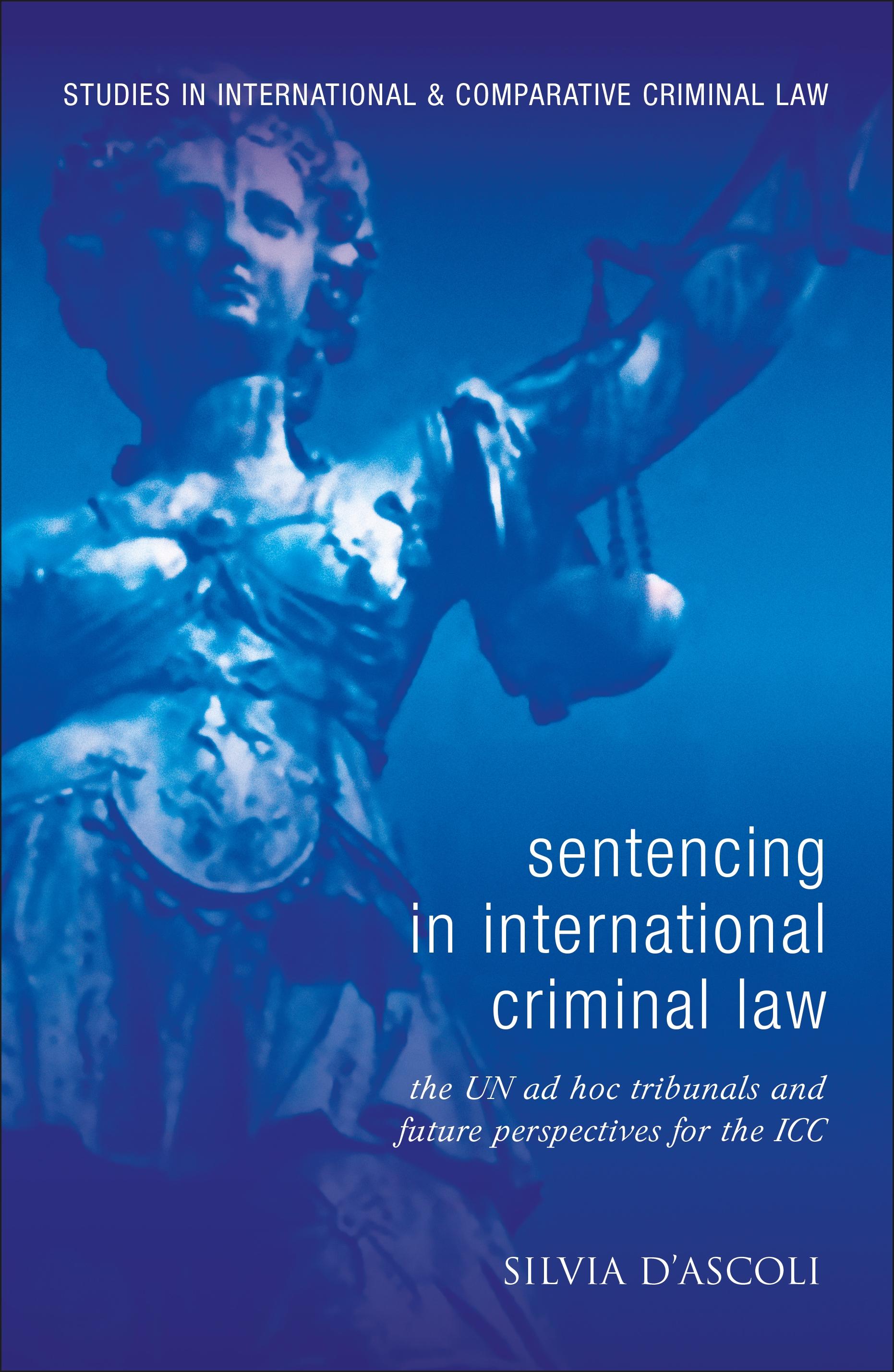
This book deals with sentencing in international criminal law, focusing on the approach of the UN ad hoc Tribunals for the former Yugoslavia (ICTY) and Rwanda (ICTR). In contrast to sentencing in domestic jurisdictions, and in spite of its growing importance, sentencing law is a part of international criminal law that is still 'under construction' and is unregulated in many aspects.
International sentencing law and practice is not yet defined by exact norms and principles and as yet there is no body of international principles concerning the determination of sentence, notwithstanding the huge volume of sentencing research and the extensive modern debate about sentencing principles. Moreover international judges receive very little guidance in sentencing matters: this contributes to inconsistencies and may increase the risk that similar cases will be sentenced in different ways.
One purpose of this book is to investigate and evaluate the process of international sentencing, especially as interpreted by the ICTY and the ICTR, and to suggest a more comprehensive and coherent system of guiding principles, which will foster the development of a law of sentencing for international criminal justice.
The book discusses the law and jurisprudence of the ad hoc Tribunals, and also presents an empirical analysis of influential factors and other data from ICTY and ICTR sentencing practice, thus offering quantitative support for the doctrinal analysis.
This publication is one of the first to be entirely devoted to the process of sentencing in international criminal justice. The book will thus be of great interest to practitioners, academics and students of the subject.
International sentencing law and practice is not yet defined by exact norms and principles and as yet there is no body of international principles concerning the determination of sentence, notwithstanding the huge volume of sentencing research and the extensive modern debate about sentencing principles. Moreover international judges receive very little guidance in sentencing matters: this contributes to inconsistencies and may increase the risk that similar cases will be sentenced in different ways.
One purpose of this book is to investigate and evaluate the process of international sentencing, especially as interpreted by the ICTY and the ICTR, and to suggest a more comprehensive and coherent system of guiding principles, which will foster the development of a law of sentencing for international criminal justice.
The book discusses the law and jurisprudence of the ad hoc Tribunals, and also presents an empirical analysis of influential factors and other data from ICTY and ICTR sentencing practice, thus offering quantitative support for the doctrinal analysis.
This publication is one of the first to be entirely devoted to the process of sentencing in international criminal justice. The book will thus be of great interest to practitioners, academics and students of the subject.
Betal enkelt med kort, Klarna, Apple Pay eller Google Pay. Ikke fornøyd? Du har alltid 14 dagers angrerett. Les mer i våre vilkår. Har du spørsmål, send oss en e-post på hello@memmo.org.
Memmo gjør det enklere å studere – uansett hvor du er i verden. Hos oss samler du pensumbøker og smarte studieverktøy på ett og samme sted: sammendrag, quizer, podkaster og flashcards. Og så Ted, din studiekompis som svarer på alt du lurer på. Over 50 000 studenter studerer allerede her – bygget for at du skal lære raskere og stresse mindre.