
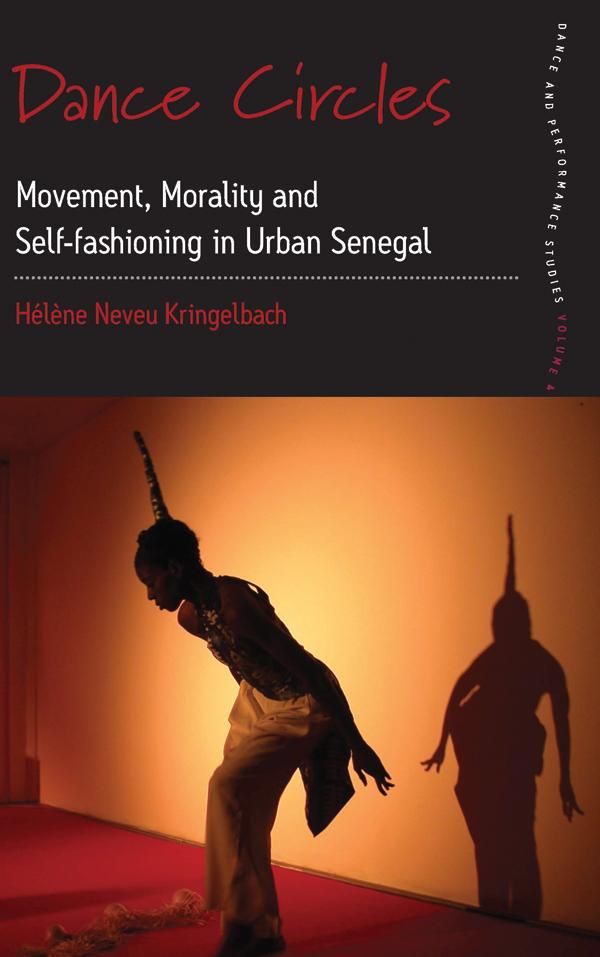
Senegal has played a central role in contemporary dance due to its rich performing traditions, as well as strong state patronage of the arts, first under French colonialism and later in the postcolonial era. In the 1980s, when the Senegalese economy was in decline and state fundingwithdrawn, European agencies used the performing arts as a tool in diplomacy. This had a profound impact on choreographic production and arts markets throughout Africa. In Senegal, choreographic performers have taken to contemporary dance, while continuing to engage with neo-traditional performance, regional genres like the sabar, and the popular dances they grew up with. A historically informed ethnography of creativity, agency, and the fashioning of selves through the different life stages in urban Senegal, this book explores the significance of this multiple engagement with dance in a context of economic uncertainty and rising concerns over morality in the public space.
Betal enkelt med kort, Klarna, Apple Pay eller Google Pay. Ikke fornøyd? Du har alltid 14 dagers angrerett. Les mer i våre vilkår. Har du spørsmål, send oss en e-post på hello@memmo.org.
Memmo gjør det enklere å studere – uansett hvor du er i verden. Hos oss samler du pensumbøker og smarte studieverktøy på ett og samme sted: sammendrag, quizer, podkaster og flashcards. Og så Ted, din studiekompis som svarer på alt du lurer på. Over 50 000 studenter studerer allerede her – bygget for at du skal lære raskere og stresse mindre.