
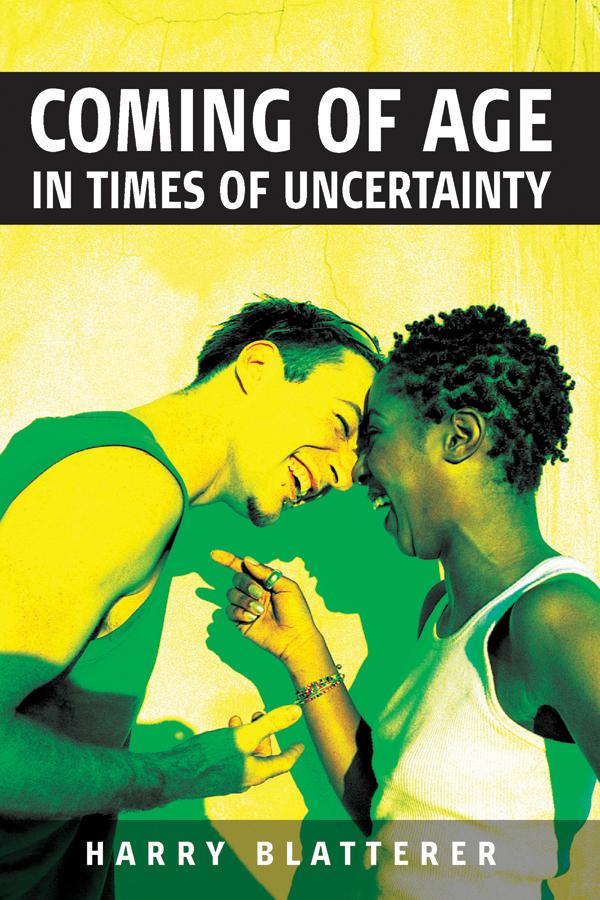
Adulthood is taken for granted. It connotes the end of childhood, the resolution to the “storm and stress” period of adolescence. This conception is strongly entrenched in the sociology of youth and the sociology of the life course as well as in the policy arena. At the same time, adulthood itself remains unarticulated; journey’s end remains conceptually fixed and theoretically uncontested. Adulthood, then, is both central to the social imagination and neglected as an area of sociological investigation, something that has been noted by sociologists over the last four decades. Going beyond the overwhelmingly psychological literature, this book draws on original qualitative research and theories of social recognition and thus presents a first step towards filling an important gap in our understanding of the meaning of adulthood.
Betal enkelt med kort, Klarna, Apple Pay eller Google Pay. Ikke fornøyd? Du har alltid 14 dagers angrerett. Les mer i våre vilkår. Har du spørsmål, send oss en e-post på hello@memmo.org.
Memmo gjør det enklere å studere – uansett hvor du er i verden. Hos oss samler du pensumbøker og smarte studieverktøy på ett og samme sted: sammendrag, quizer, podkaster og flashcards. Og så Ted, din studiekompis som svarer på alt du lurer på. Over 50 000 studenter studerer allerede her – bygget for at du skal lære raskere og stresse mindre.