
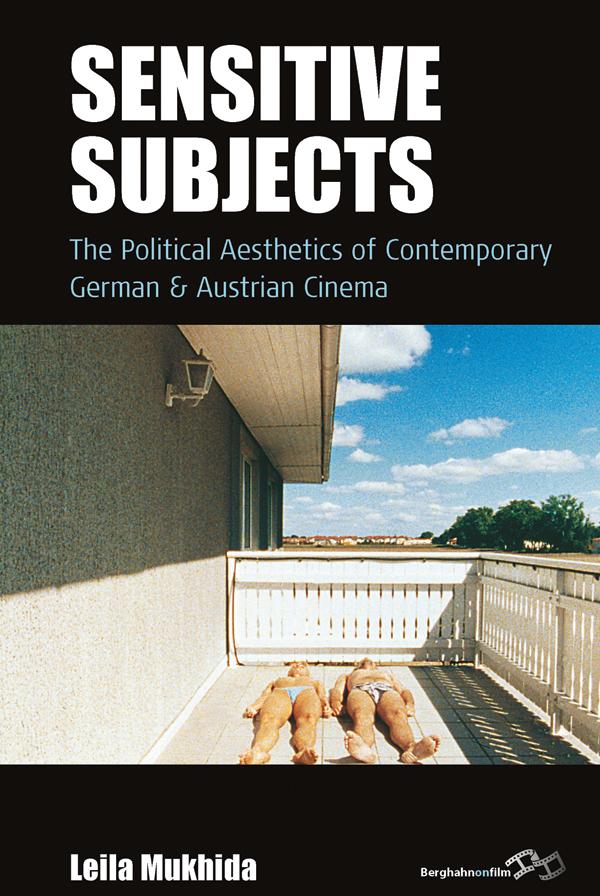
Both politically and aesthetically, the contemporary German and Austrian film landscape is a far cry from the early days of the medium, when critics like Siegfried Kracauer produced foundational works of film theory amid the tumult of the early twentieth century. Yet, as Leila Mukhida demonstrates in this innovative study, the writings of figures like Kracauer and Walter Benjamin in fact remain an undervalued tool for understanding political cinema today. Through illuminating explorations of Michael Haneke, Valeska Grisebach, Andreas Dresen, and other filmmakers of the post-reunification era, Mukhida develops an analysis centered on film aesthetics and experience, showing how medium-specific devices like lighting, sound, and mise-en-scène can help to cultivate political sensitivity in spectators.
Betal enkelt med kort, Klarna, Apple Pay eller Google Pay. Ikke fornøyd? Du har alltid 14 dagers angrerett. Les mer i våre vilkår. Har du spørsmål, send oss en e-post på hello@memmo.org.
Memmo gjør det enklere å studere – uansett hvor du er i verden. Hos oss samler du pensumbøker og smarte studieverktøy på ett og samme sted: sammendrag, quizer, podkaster og flashcards. Og så Ted, din studiekompis som svarer på alt du lurer på. Over 50 000 studenter studerer allerede her – bygget for at du skal lære raskere og stresse mindre.