
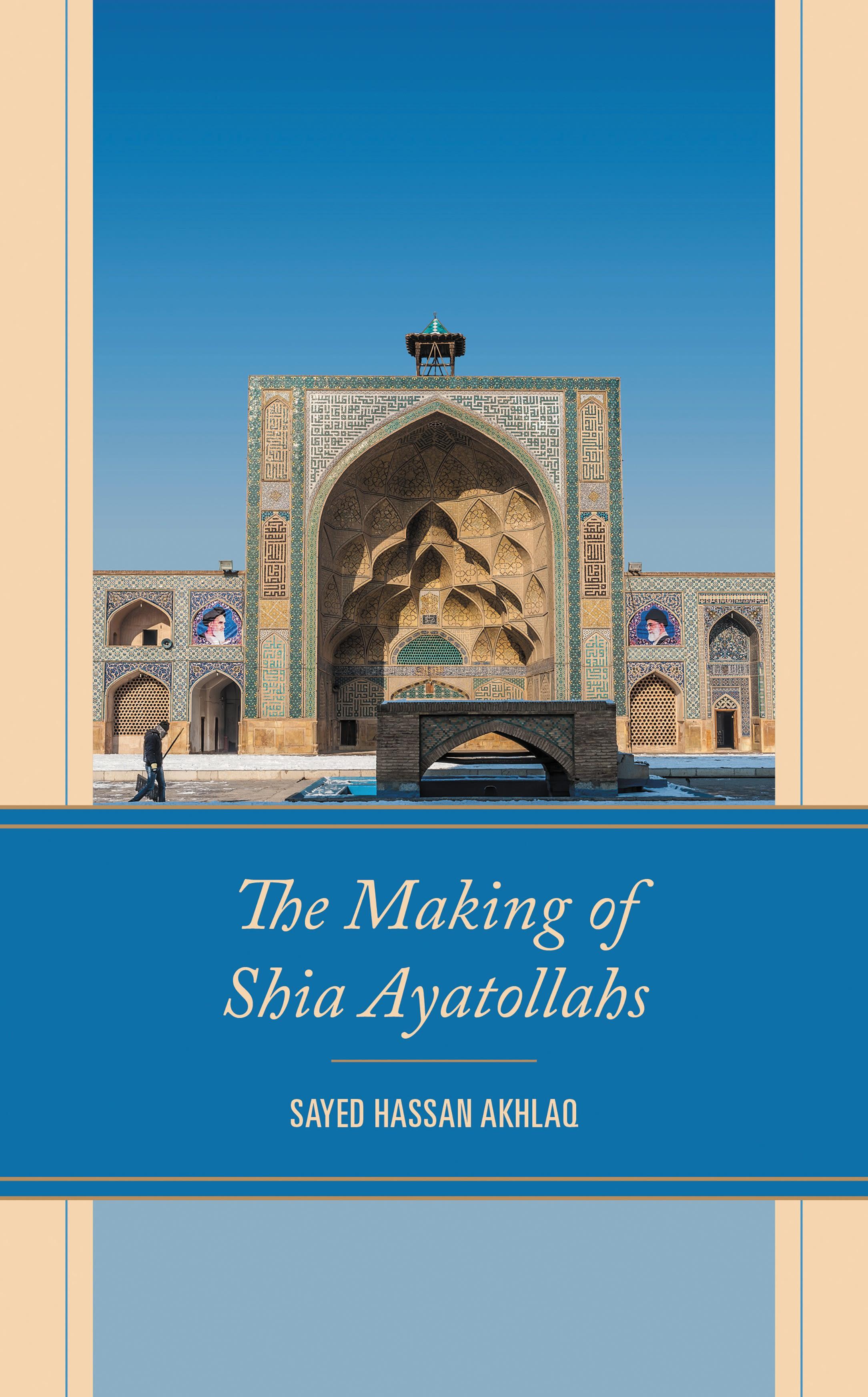
The Making of Shia Ayatollahs offers both insider and outsider views of how a scholar becomes an Ayatollah in Shia Islam, how ayatollahs suggest diverse perspectives on faith, and how the grand ayatollahs are recognized by a balance of many factors including piety, scholarship, popularity and networking. This book consists of two parts. The first begins with the core value of knowledge in Islam and the Ulama’s interpretation of jurisprudence and the subjects, values, and methodology they have developed and are applying to challenges found in the faithful practices in modern life. The author reveals the mechanisms of madrasa, hawza, their curricula, and the recognition of a scholar as an ayatollah. The second part elaborates the rich and sometimes bitter pluralism and debate within the community of ayatollahs regarding topics including denominational identity and intra-faith work, Sufism and mysticism, Philosophy (falsafa and wisdom), modernization and the West, political power and government, and women in public life. After providing a historical background on each subject, the author takes the reader into the heart of current debates among ayatollahs in Qum, Mashhad, Najaf, and Beirut without sacrificing accuracy and originality to educate a wide range of readers.
Betal enkelt med kort, Klarna, Apple Pay eller Google Pay. Ikke fornøyd? Du har alltid 14 dagers angrerett. Les mer i våre vilkår. Har du spørsmål, send oss en e-post på hello@memmo.org.
Memmo gjør det enklere å studere – uansett hvor du er i verden. Hos oss samler du pensumbøker og smarte studieverktøy på ett og samme sted: sammendrag, quizer, podkaster og flashcards. Og så Ted, din studiekompis som svarer på alt du lurer på. Over 50 000 studenter studerer allerede her – bygget for at du skal lære raskere og stresse mindre.