
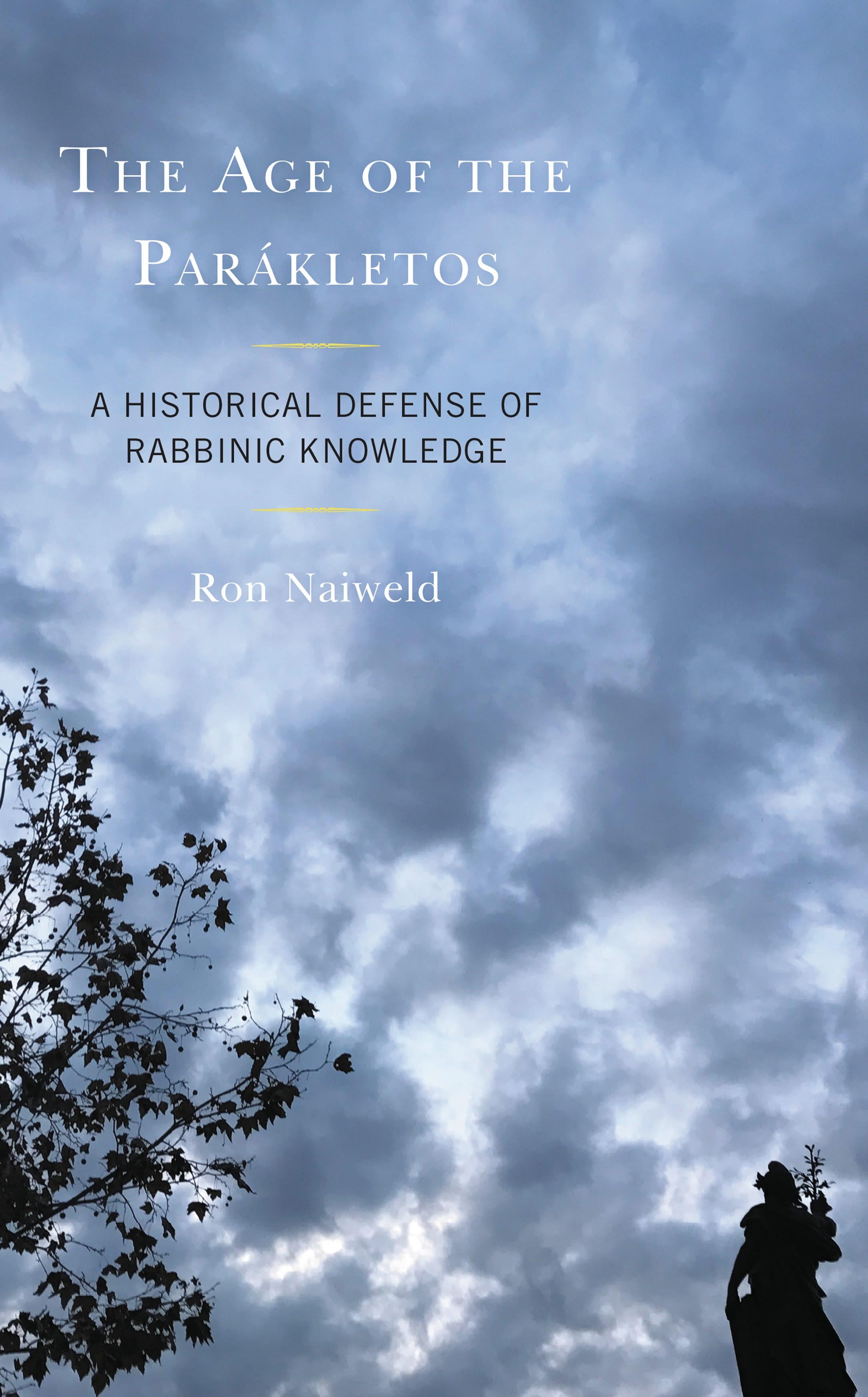
This book concerns the history of the Bible, Christianity, Rabbinic Judaism, and theological-political thought in the West. Its operation is threefold. First, it shows that the biblical text can be read as a theological-political narrative about a god who strives to be recognized as such by a group of people. Second, it reconstructs the history of the conversation that took place around this narrative from the fourth century BCE to the beginning of the Middle Ages, showing how it was dependent on social and political circumstances, rather than on theological notions. Lastly, it distinguishes between two strands of the conversation—the Christian and the Rabbinic—that carried the narrative through the Middle Ages and explains why the latter offered a more advanced interface with the political reality than the former. This book introduces a reading of the biblical narrative that takes seriously the difference between the two creation stories that begin the Book of Genesis and considers them as referring to two distinct divinities. This reading reveals in the Bible an overarching narrative about the god Yhwh, who tries to impose himself as the sovereign of Israel by claiming that he is the same god as Elohim—the benevolent creator of the perfect world.
Betal enkelt med kort, Klarna, Apple Pay eller Google Pay. Ikke fornøyd? Du har alltid 14 dagers angrerett. Les mer i våre vilkår. Har du spørsmål, send oss en e-post på hello@memmo.org.
Memmo gjør det enklere å studere – uansett hvor du er i verden. Hos oss samler du pensumbøker og smarte studieverktøy på ett og samme sted: sammendrag, quizer, podkaster og flashcards. Og så Ted, din studiekompis som svarer på alt du lurer på. Over 50 000 studenter studerer allerede her – bygget for at du skal lære raskere og stresse mindre.