
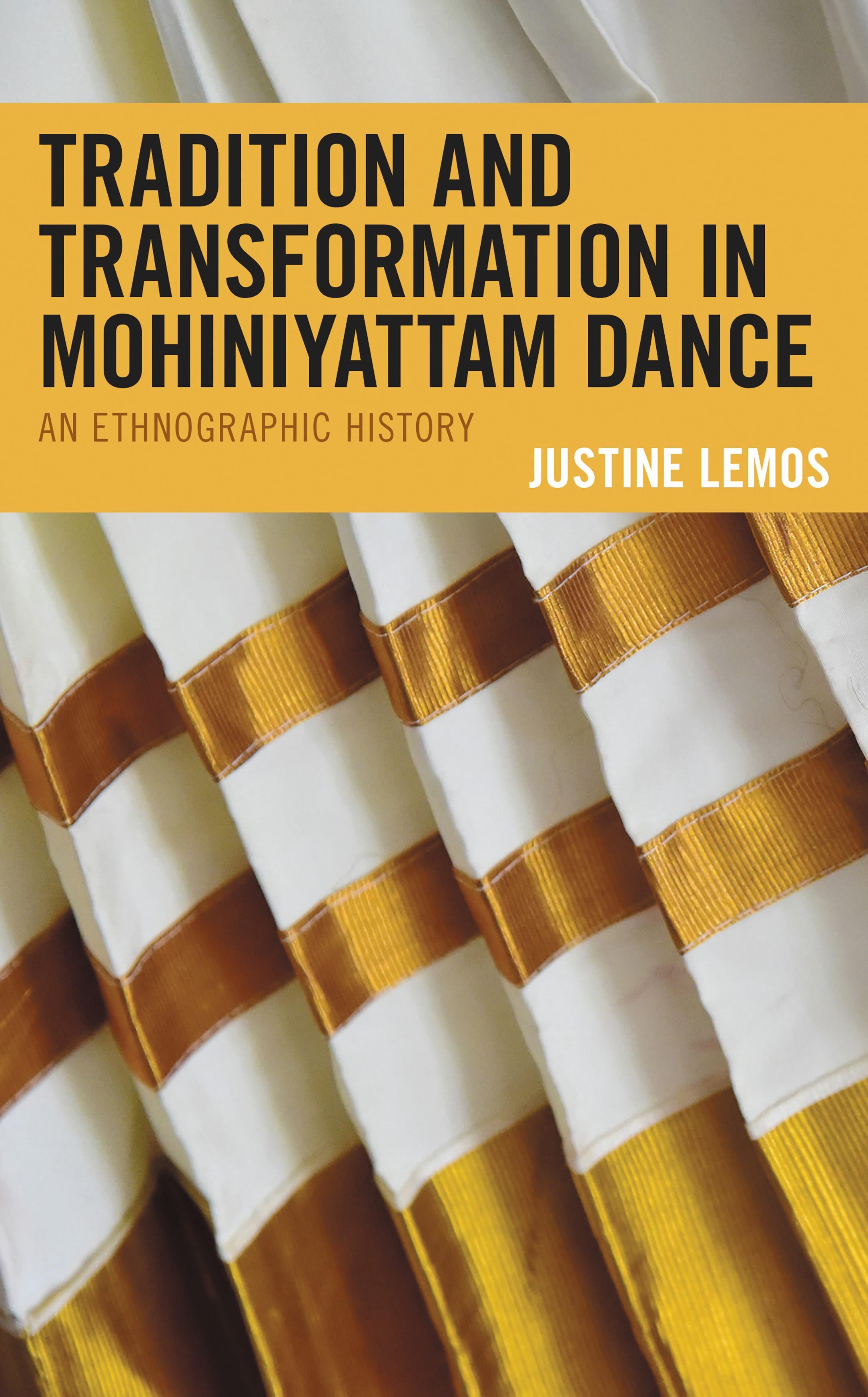
Tradition and Transformation in Mohiniyattam Dance: An Ethnographic History demonstrates how Mohiniyattam, a form previously stigmatized, was reinvented as a sign of traditional Keralite womanhood. The book traces how the emergence of Mohiniyattam as a traditional form of dance based on a feminine aesthetic was synchronistic with the outlawing of polyandrous marriage practices and devadasi practices, as well as changes in matrilineal inheritance and the outlawing of and reforms in women’s dress customs in Kerala, India. These layers of history and cultural meaning permitted Mohiniyattam’s renaissance as a sign of female grace and tradition. Throughout, Lemos argues that practicing and learning movement is a gateway to understanding a system of semiosis. Danced movement itself can be a locust, a bellwether, and even an agent of social change.
Betal enkelt med kort, Klarna, Apple Pay eller Google Pay. Ikke fornøyd? Du har alltid 14 dagers angrerett. Les mer i våre vilkår. Har du spørsmål, send oss en e-post på hello@memmo.org.
Memmo gjør det enklere å studere – uansett hvor du er i verden. Hos oss samler du pensumbøker og smarte studieverktøy på ett og samme sted: sammendrag, quizer, podkaster og flashcards. Og så Ted, din studiekompis som svarer på alt du lurer på. Over 50 000 studenter studerer allerede her – bygget for at du skal lære raskere og stresse mindre.