
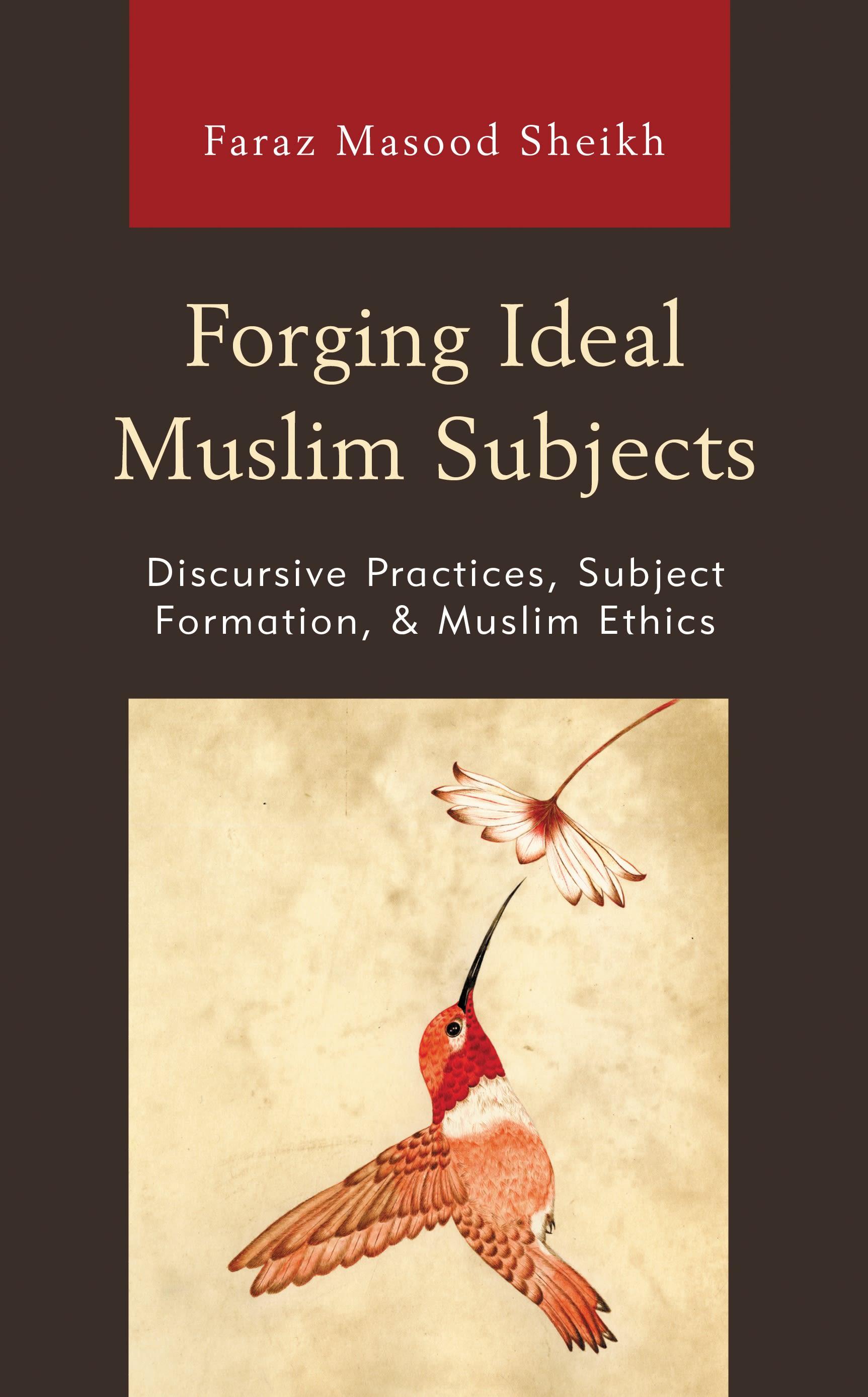
What forms can a religiously informed, ethical Muslim life take? This book presents two important accounts of ideal Muslim subjectivity, one by 9th century moral pedagogue, al-Harith al-Muhasibi (d. 857) and the other by 20th century Kurdish Quran scholar, Said Nursi (d. 1960). It reconstructs Muhasibi’s and Nursi’s accounts of ideal Muslim consciousness and analyzes the discursive practices implicated in its formation and expression. The book discusses the range of psychic states and ethical relations that Muhasibi and Nursi consider critical for living an authentically Muslim life. It highlights the importance of discursive practices in Muslim religious and moral self-production. The author draws on Foucault's insights about ethics and practices of self-care to examine familiar Muslim discourses in ways that enrich contemporary conversations about identity, individuality, community, authority, moral agency and virtue in the fields of religious studies, Islamic studies and Muslim ethics. The book deepens our understanding of the fluidity and fragility of both the more familiar, obligation-centered ethics in Islamic thought and the less familiar, belief-centered modes of religio-moral being.
Betal enkelt med kort, Klarna, Apple Pay eller Google Pay. Ikke fornøyd? Du har alltid 14 dagers angrerett. Les mer i våre vilkår. Har du spørsmål, send oss en e-post på hello@memmo.org.
Memmo gjør det enklere å studere – uansett hvor du er i verden. Hos oss samler du pensumbøker og smarte studieverktøy på ett og samme sted: sammendrag, quizer, podkaster og flashcards. Og så Ted, din studiekompis som svarer på alt du lurer på. Over 50 000 studenter studerer allerede her – bygget for at du skal lære raskere og stresse mindre.