
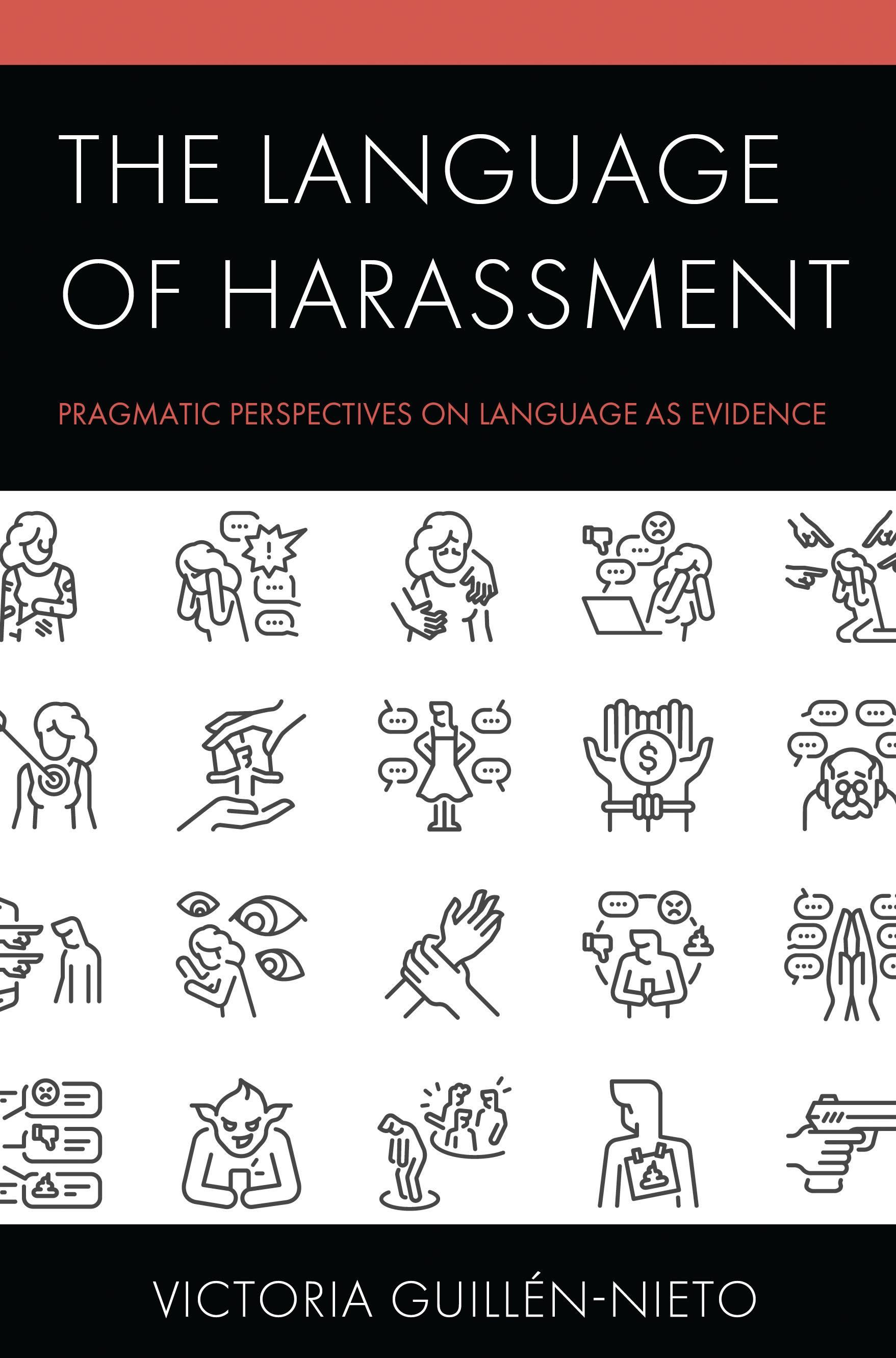
This book addresses harassment head-on by conducting a thorough linguistic analysis of this pervasive social phenomenon and investigates the strategic language used by harassers to convey their ill intentions and inflict harm upon their victims. The linguistic analysis focuses on how harassment is conducted through verbal and physical interactions between the perpetrator or group of perpetrators and the victim at a discourse level. The author revisits several court cases held in the United States and Europe to show the phenomenal difficulties victims face to support their claims with evidence. The Language of Harassment applies pragmatic linguistic theories to shed light on the defining elements of harassment, which include repetitive acts of hostile and unethical communication, ill intentions, power imbalances, and harm inflicted upon the victim. In addition, the author illustrates the linguistic analysis through real-life cases of workplace mobbing, school bullying, sexual and psychological harassment, stalking, and sexting.
Betal enkelt med kort, Klarna, Apple Pay eller Google Pay. Ikke fornøyd? Du har alltid 14 dagers angrerett. Les mer i våre vilkår. Har du spørsmål, send oss en e-post på hello@memmo.org.
Memmo gjør det enklere å studere – uansett hvor du er i verden. Hos oss samler du pensumbøker og smarte studieverktøy på ett og samme sted: sammendrag, quizer, podkaster og flashcards. Og så Ted, din studiekompis som svarer på alt du lurer på. Over 50 000 studenter studerer allerede her – bygget for at du skal lære raskere og stresse mindre.