
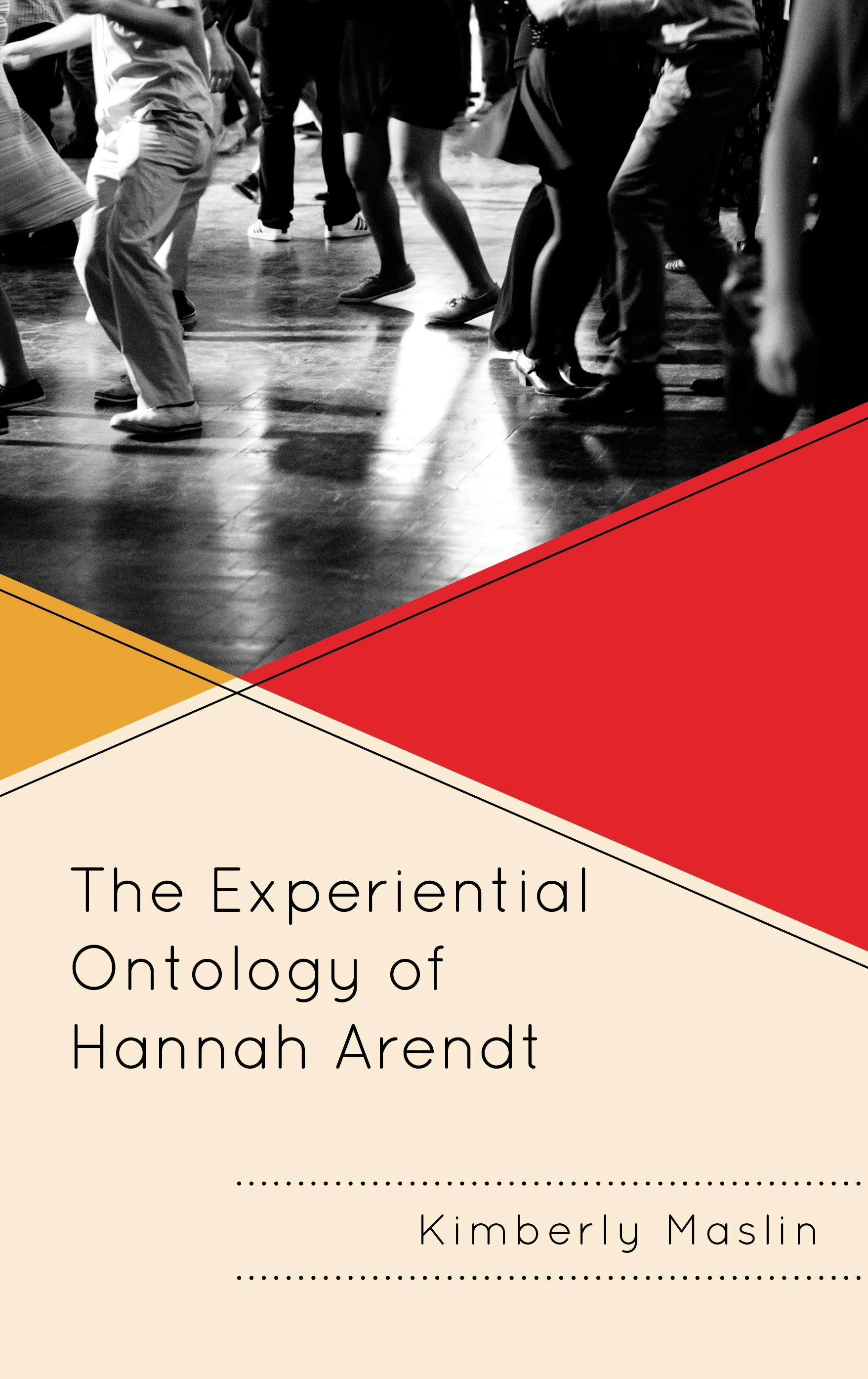
In The Experiential Ontology of Hannah Arendt, Kim Maslin examines Hannah Arendt’s political philosophy through a Heideggerian framework. Maslin argues that not only did Arendt grew beyond the role of naïve and beguiled student, but she became one of Heidegger’s most astute critics. Well acquainted with and deeply respectful of his contributions to existential philosophy, Arendt viewed Heidegger’s work as both profoundly insightful and extraordinarily myopic. Not contented to simply offer a critique of her mentor’s work, Arendt engaged in a lifelong struggle to come to terms with the collective implications of fundamental ontology. Maslin argues that Arendt shifted to political philosophy less to escape her own disappointment at Heidegger’s personal betrayal, but rather as an attempt to right the collective flaws of fundamental ontology. Her project offers a politically responsive, hence responsible, modification of Heidegger’s fundamental ontology. She suggests that Heidegger’s allegedly descriptive and non-normative insight into the nature of being is necessarily incomplete, and potentially irresponsible, unless it is undertaken in a manner which is mindful of the collective implications. As such, Maslin shows how Arendt attempts to construct an experiential ontology that transforms Heidegger’s fundamental ontology for use in the public sphere.
Betal enkelt med kort, Klarna, Apple Pay eller Google Pay. Ikke fornøyd? Du har alltid 14 dagers angrerett. Les mer i våre vilkår. Har du spørsmål, send oss en e-post på hello@memmo.org.
Memmo gjør det enklere å studere – uansett hvor du er i verden. Hos oss samler du pensumbøker og smarte studieverktøy på ett og samme sted: sammendrag, quizer, podkaster og flashcards. Og så Ted, din studiekompis som svarer på alt du lurer på. Over 50 000 studenter studerer allerede her – bygget for at du skal lære raskere og stresse mindre.