
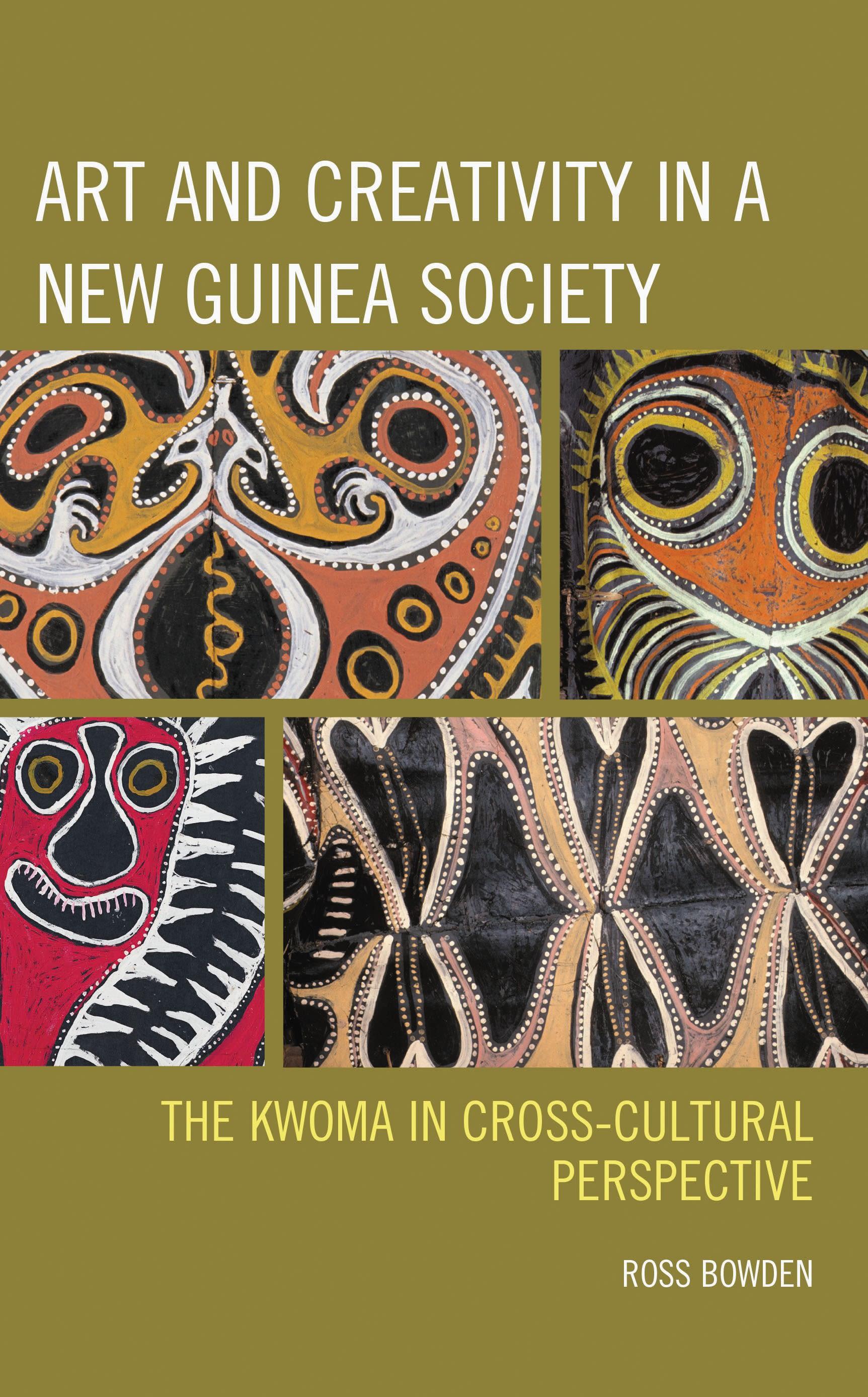
The Kwoma, the subject of this book, are one of a number of peoples in the Sepik River region of northern Papua New Guinea who have created some of the most distinctive visual art in the Pacific. Through case studies of their painting, sculpture, architecture and ritual this book examines in detail how people in this society understand their art as a cultural phenomenon. This includes how they understand its origins in the spirit world, how they judge quality in art and how they understand artistic creativity. The book contrasts Kwoma beliefs with the radically different approach to art found in the modern West. The modern Western concept of art first emerged not in the eighteenth century in the Enlightenment, or even later, as anthropologists and art historians often assume, but several centuries earlier in the Renaissance. The book gives an account of radical changes that took place culturally in Europe between the twelfth and sixteenth centuries in the way human intellectual creativity was understood, and how this gave rise to a new concept of art, one that remains unchanged in the modern West today.
Betal enkelt med kort, Klarna, Apple Pay eller Google Pay. Ikke fornøyd? Du har alltid 14 dagers angrerett. Les mer i våre vilkår. Har du spørsmål, send oss en e-post på hello@memmo.org.
Memmo gjør det enklere å studere – uansett hvor du er i verden. Hos oss samler du pensumbøker og smarte studieverktøy på ett og samme sted: sammendrag, quizer, podkaster og flashcards. Og så Ted, din studiekompis som svarer på alt du lurer på. Over 50 000 studenter studerer allerede her – bygget for at du skal lære raskere og stresse mindre.