
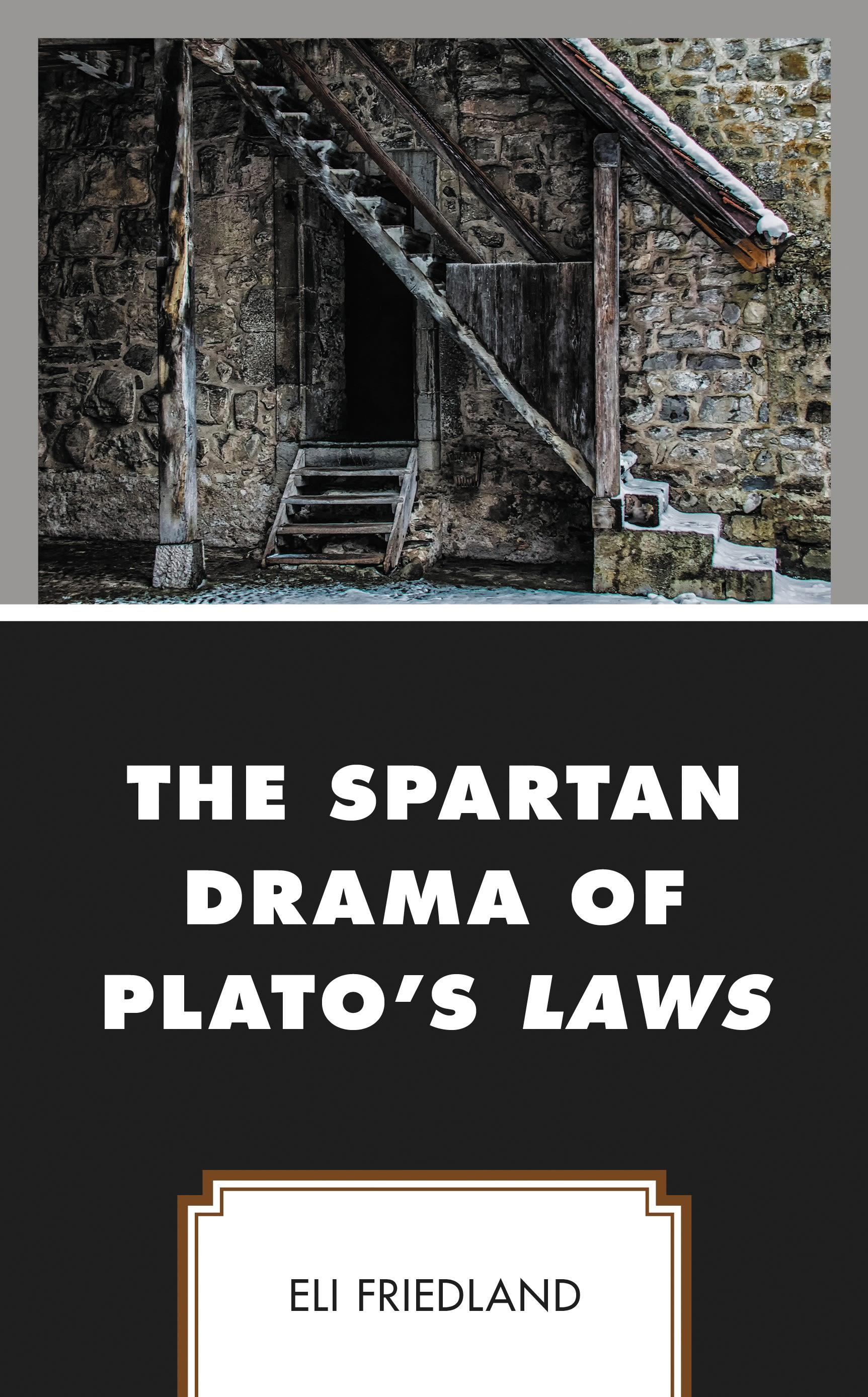
Friedland presents the Laws, Plato's longest dialogue, as a drama that must be interpreted with close and sustained attention to each of its three characters. He argues that Megillos, seen by most commentators as the most obtuse character in the dialogue, is in fact a man of few words but of surprising capacity for reflection. This capacity, and the crisis to which it brings him, is key to understanding the Laws' exploration of human nature, permanently drawn both to what is beyond and beneath it. The political project outlined in the dialogue, with its almost programmatic focus on the mundane, is a genuinely philosophical opportunity to consider the relationship between competing demands for human beings - between divine and animal nature, and also including the always tense but necessary antagonisms and affinities between politics and human sexuality.
Betal enkelt med kort, Klarna, Apple Pay eller Google Pay. Ikke fornøyd? Du har alltid 14 dagers angrerett. Les mer i våre vilkår. Har du spørsmål, send oss en e-post på hello@memmo.org.
Memmo gjør det enklere å studere – uansett hvor du er i verden. Hos oss samler du pensumbøker og smarte studieverktøy på ett og samme sted: sammendrag, quizer, podkaster og flashcards. Og så Ted, din studiekompis som svarer på alt du lurer på. Over 50 000 studenter studerer allerede her – bygget for at du skal lære raskere og stresse mindre.