
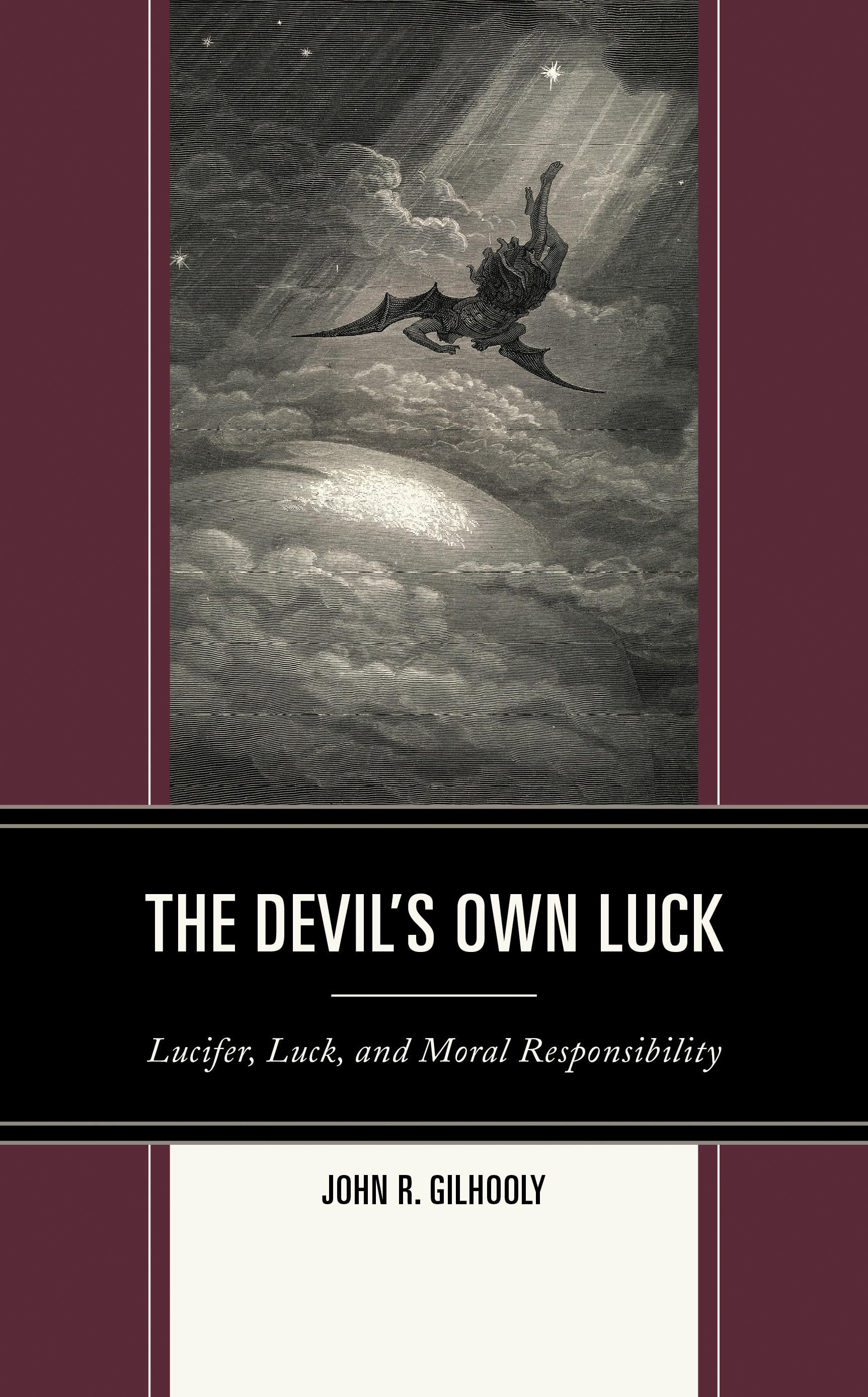
Contemporary philosophy is interested in questions of luck and moral responsibility. Christian theology is largely unconcerned with luck because of its understanding of the creatureliness of the will. This understanding is rooted in story of the primal sin the narrative about how the first good creature chose wrongly. When considered philosophically, this story produces a problem for describing how a good creature can sin in ideal circumstances. The tradition has appealed to a voluntarist account of the devil's sin as a satisfying response to this problem. But some have worried that this kind of free choice succumbs to a responsibility denying kind of luck. This volume describes how this underlying story undermines worries about luck for Christian moral reasoning by reflecting on how any luck the devil has is his own. John R. Gilhooly argues that even if one regards the Devil as fictional, the primal sin remains an interesting philosophical test case, particularly for questions of moral luck. The reason that this is so is because it seems that moral luck is either irrelevant to moral judgment of the Devil, or an illegitimate moral concern at least as regards the primal sin.
Betal enkelt med kort, Klarna, Apple Pay eller Google Pay. Ikke fornøyd? Du har alltid 14 dagers angrerett. Les mer i våre vilkår. Har du spørsmål, send oss en e-post på hello@memmo.org.
Memmo gjør det enklere å studere – uansett hvor du er i verden. Hos oss samler du pensumbøker og smarte studieverktøy på ett og samme sted: sammendrag, quizer, podkaster og flashcards. Og så Ted, din studiekompis som svarer på alt du lurer på. Over 50 000 studenter studerer allerede her – bygget for at du skal lære raskere og stresse mindre.