
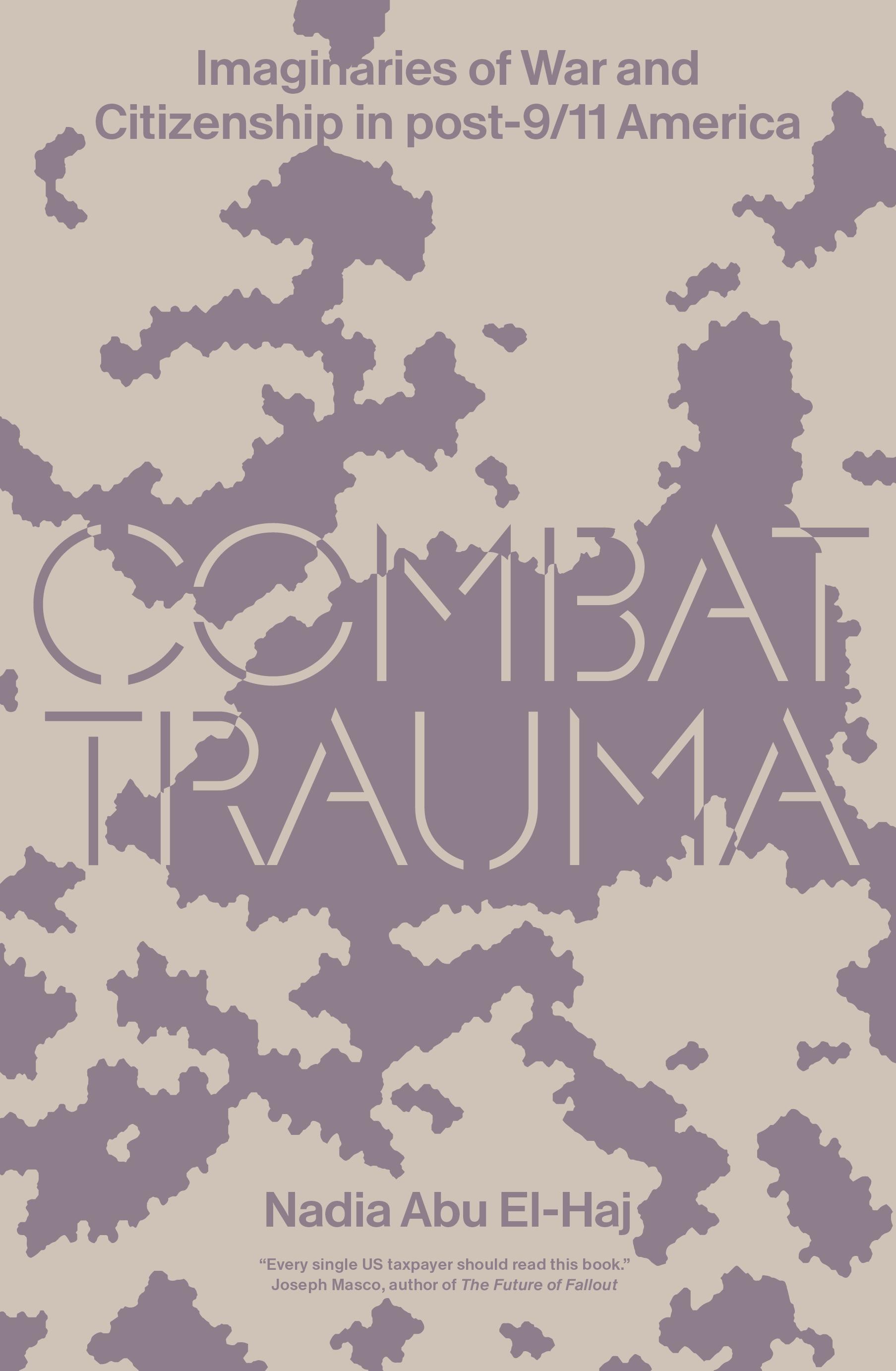
Americans have long been asked to support the troops and care for veterans' psychological wounds. Who, though, does this injunction serve?
As acclaimed scholar Nadia Abu El-Haj argues here, in the American public's imagination, the traumatized soldier stands in for destructive wars abroad, with decisive ramifications in the post-9/11 era. Across the political spectrum the language of soldier trauma is used to discuss American warfare, producing a narrative in which traumatized soldiers are the only acknowledged casualties of war, while those killed by American firepower are largely sidelined and forgotten.
In this wide-ranging and fascinating study of the meshing of medicine, science, and politics, Abu El-Haj explores the concept of post-traumatic stress disorder and the history of its medical diagnosis. While antiwar Vietnam War veterans sought to address their psychological pain even as they maintained full awareness of their guilt and responsibility for perpetrating atrocities on the killing fields of Vietnam, by the 1980s, a peculiar convergence of feminist activism against sexual violence and Reagan's right-wing "war on crime" transformed the idea of PTSD into a condition of victimhood. In so doing, the meaning of Vietnam veterans' trauma would also shift, moving away from a political space of reckoning with guilt and complicity to one that cast them as blameless victims of a hostile public upon their return home. This is how, in the post-9/11 era of the Wars on Terror, the injunction to "support our troops," came to both sustain US militarism and also shields American civilians from the reality of wars fought ostensibly in their name.
In this compelling and crucial account, Nadia Abu El-Haj challenges us to think anew about the devastations of the post-9/11 era.
As acclaimed scholar Nadia Abu El-Haj argues here, in the American public's imagination, the traumatized soldier stands in for destructive wars abroad, with decisive ramifications in the post-9/11 era. Across the political spectrum the language of soldier trauma is used to discuss American warfare, producing a narrative in which traumatized soldiers are the only acknowledged casualties of war, while those killed by American firepower are largely sidelined and forgotten.
In this wide-ranging and fascinating study of the meshing of medicine, science, and politics, Abu El-Haj explores the concept of post-traumatic stress disorder and the history of its medical diagnosis. While antiwar Vietnam War veterans sought to address their psychological pain even as they maintained full awareness of their guilt and responsibility for perpetrating atrocities on the killing fields of Vietnam, by the 1980s, a peculiar convergence of feminist activism against sexual violence and Reagan's right-wing "war on crime" transformed the idea of PTSD into a condition of victimhood. In so doing, the meaning of Vietnam veterans' trauma would also shift, moving away from a political space of reckoning with guilt and complicity to one that cast them as blameless victims of a hostile public upon their return home. This is how, in the post-9/11 era of the Wars on Terror, the injunction to "support our troops," came to both sustain US militarism and also shields American civilians from the reality of wars fought ostensibly in their name.
In this compelling and crucial account, Nadia Abu El-Haj challenges us to think anew about the devastations of the post-9/11 era.
Betal enkelt med kort, Klarna, Apple Pay eller Google Pay. Ikke fornøyd? Du har alltid 14 dagers angrerett. Les mer i våre vilkår. Har du spørsmål, send oss en e-post på hello@memmo.org.
Memmo gjør det enklere å studere – uansett hvor du er i verden. Hos oss samler du pensumbøker og smarte studieverktøy på ett og samme sted: sammendrag, quizer, podkaster og flashcards. Og så Ted, din studiekompis som svarer på alt du lurer på. Over 50 000 studenter studerer allerede her – bygget for at du skal lære raskere og stresse mindre.
Du vil kanskje også like
Kjøp boken0