
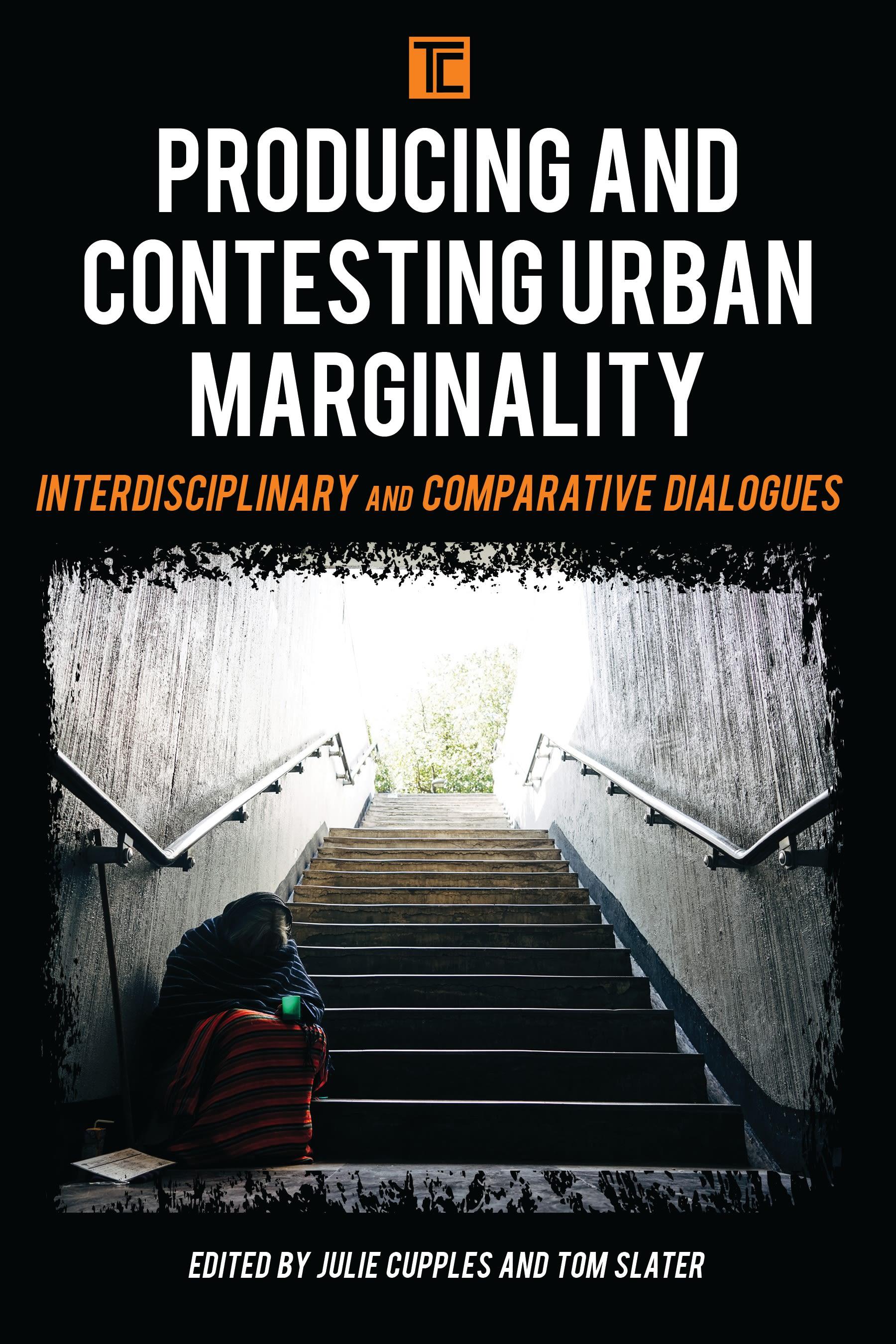
In Mexico City, as in many other large cities worldwide, contemporary modes of urban governance have overwhelmingly benefited affluent populations and widened social inequalities. Disinvestment from social housing and rent-seeking developments by real estate companies and land speculators have resulted in the displacement of low-income populations to the urban periphery. Public social spaces have been eliminated to make way for luxury apartments and business interests. Low-income neighbourhoods are often stigmatized by dominant social forces to justify their demolition.
The urban poor have however negotiated and resisted these developments in a range of ways. This text explores these urban dynamics in Mexico City and beyond, looking at the material and symbolic mechanisms through which urban marginality is produced and contested. It seeks to understand how things might be otherwise, how the city might be geared towards more inclusive forms of belonging and citizenship.
The urban poor have however negotiated and resisted these developments in a range of ways. This text explores these urban dynamics in Mexico City and beyond, looking at the material and symbolic mechanisms through which urban marginality is produced and contested. It seeks to understand how things might be otherwise, how the city might be geared towards more inclusive forms of belonging and citizenship.
Betal enkelt med kort, Klarna, Apple Pay eller Google Pay. Ikke fornøyd? Du har alltid 14 dagers angrerett. Les mer i våre vilkår. Har du spørsmål, send oss en e-post på hello@memmo.org.
Memmo gjør det enklere å studere – uansett hvor du er i verden. Hos oss samler du pensumbøker og smarte studieverktøy på ett og samme sted: sammendrag, quizer, podkaster og flashcards. Og så Ted, din studiekompis som svarer på alt du lurer på. Over 50 000 studenter studerer allerede her – bygget for at du skal lære raskere og stresse mindre.