
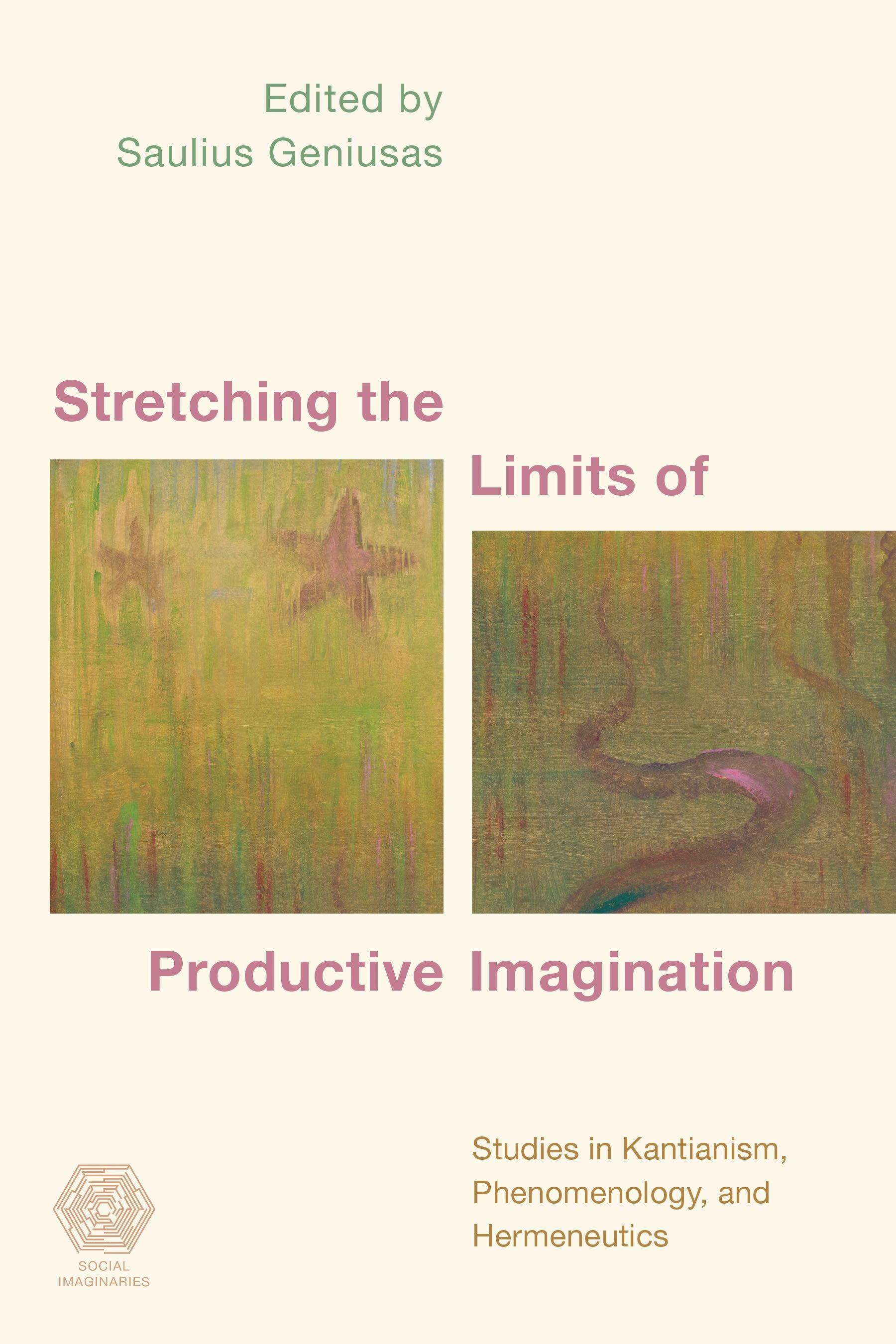
How has the concept of productive imagination been developed in post-Kantian philosophy? This important and innovative volume explores this question, with particular focus on hermeneutics, phenomenology and neo-Kantianism.
The essays in this collection demonstrate that imagination is productive not only because it fabricates non-existent objects, but also because it shapes human experience and co-determines the meaning of the experienced world. The authors show how imagination forms experience at the kinaesthetic, pre-linguistic, poetic, historical, artistic, social and political levels.
The volume offers both a thematic and a historical overview of productive imagination understood as Kant originally wanted us to understand it.
The essays in this collection demonstrate that imagination is productive not only because it fabricates non-existent objects, but also because it shapes human experience and co-determines the meaning of the experienced world. The authors show how imagination forms experience at the kinaesthetic, pre-linguistic, poetic, historical, artistic, social and political levels.
The volume offers both a thematic and a historical overview of productive imagination understood as Kant originally wanted us to understand it.
Betal enkelt med kort, Klarna, Apple Pay eller Google Pay. Ikke fornøyd? Du har alltid 14 dagers angrerett. Les mer i våre vilkår. Har du spørsmål, send oss en e-post på hello@memmo.org.
Memmo gjør det enklere å studere – uansett hvor du er i verden. Hos oss samler du pensumbøker og smarte studieverktøy på ett og samme sted: sammendrag, quizer, podkaster og flashcards. Og så Ted, din studiekompis som svarer på alt du lurer på. Over 50 000 studenter studerer allerede her – bygget for at du skal lære raskere og stresse mindre.