
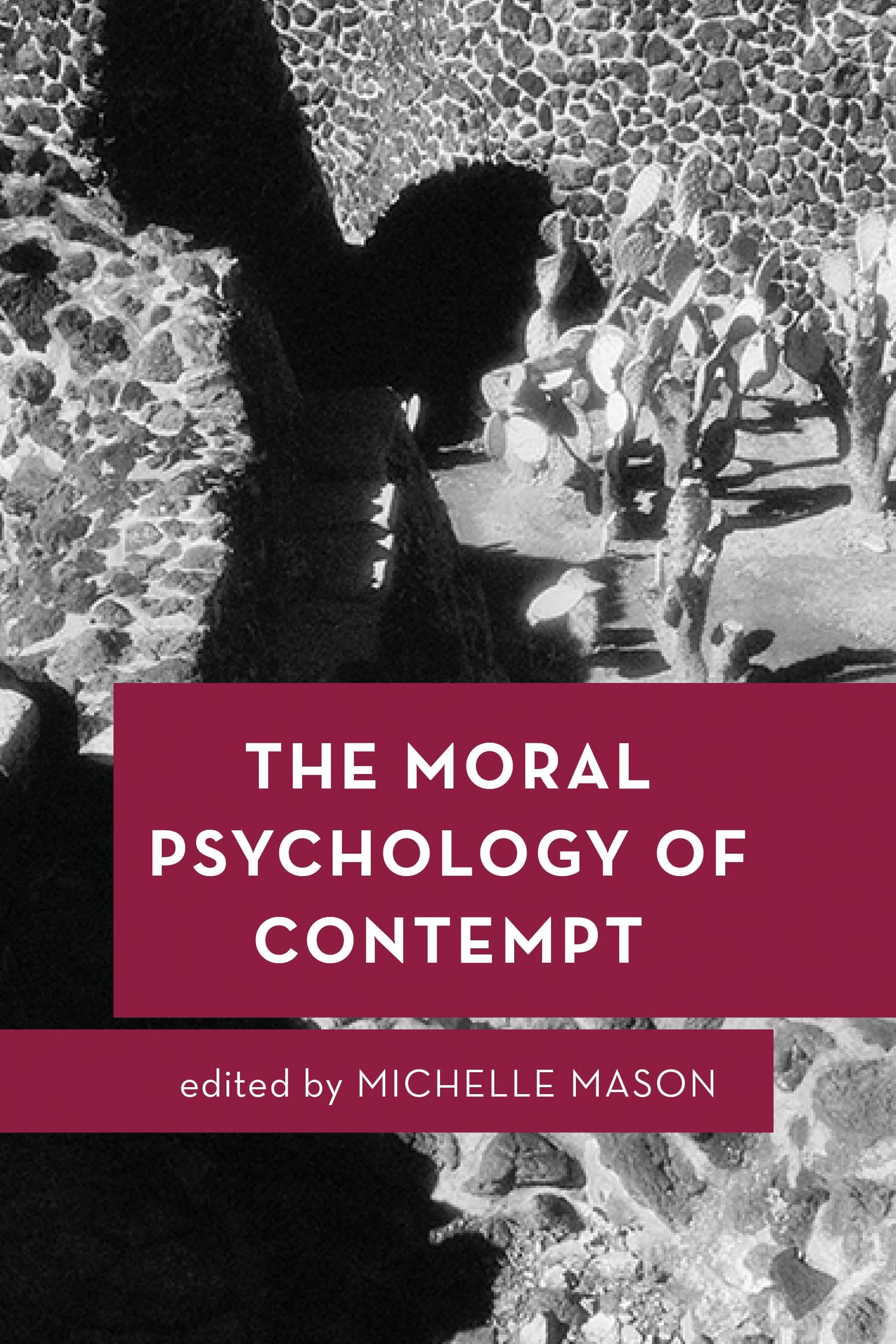
The eye roll, the smirk, the unilateral lip curl. These, psychologists tell us, are typical expressions of contempt. Across cultures, such expressions manifest an emotional response to norm violations, among them moral norms. As such, contempt is of tremendous personal and social significance – whether in the context of a marriage on the rocks or a country in the grips of racial unrest. Scholarship on contempt, however, lags far behind that of other emotional responses to norm violations, such as anger, disgust, and shame. Introducing original work by philosophers and psychologists, this volume addresses empirical questions concerning contempt’s emotional, cognitive, and behavioural signature. It invites the general reader to reflect on whether contempt is something to be embraced and cultivated as an emotional safeguard of valued norms or, rather, an emotion from which we have good reason – perhaps overriding moral reason – to distance ourselves so far as is psychologically possible. Advancing the nascent literature on contempt while setting future research agenda, the volume is a resource for advanced students and scholars of both empirical and normative moral psychology.
Betal enkelt med kort, Klarna, Apple Pay eller Google Pay. Ikke fornøyd? Du har alltid 14 dagers angrerett. Les mer i våre vilkår. Har du spørsmål, send oss en e-post på hello@memmo.org.
Memmo gjør det enklere å studere – uansett hvor du er i verden. Hos oss samler du pensumbøker og smarte studieverktøy på ett og samme sted: sammendrag, quizer, podkaster og flashcards. Og så Ted, din studiekompis som svarer på alt du lurer på. Over 50 000 studenter studerer allerede her – bygget for at du skal lære raskere og stresse mindre.