
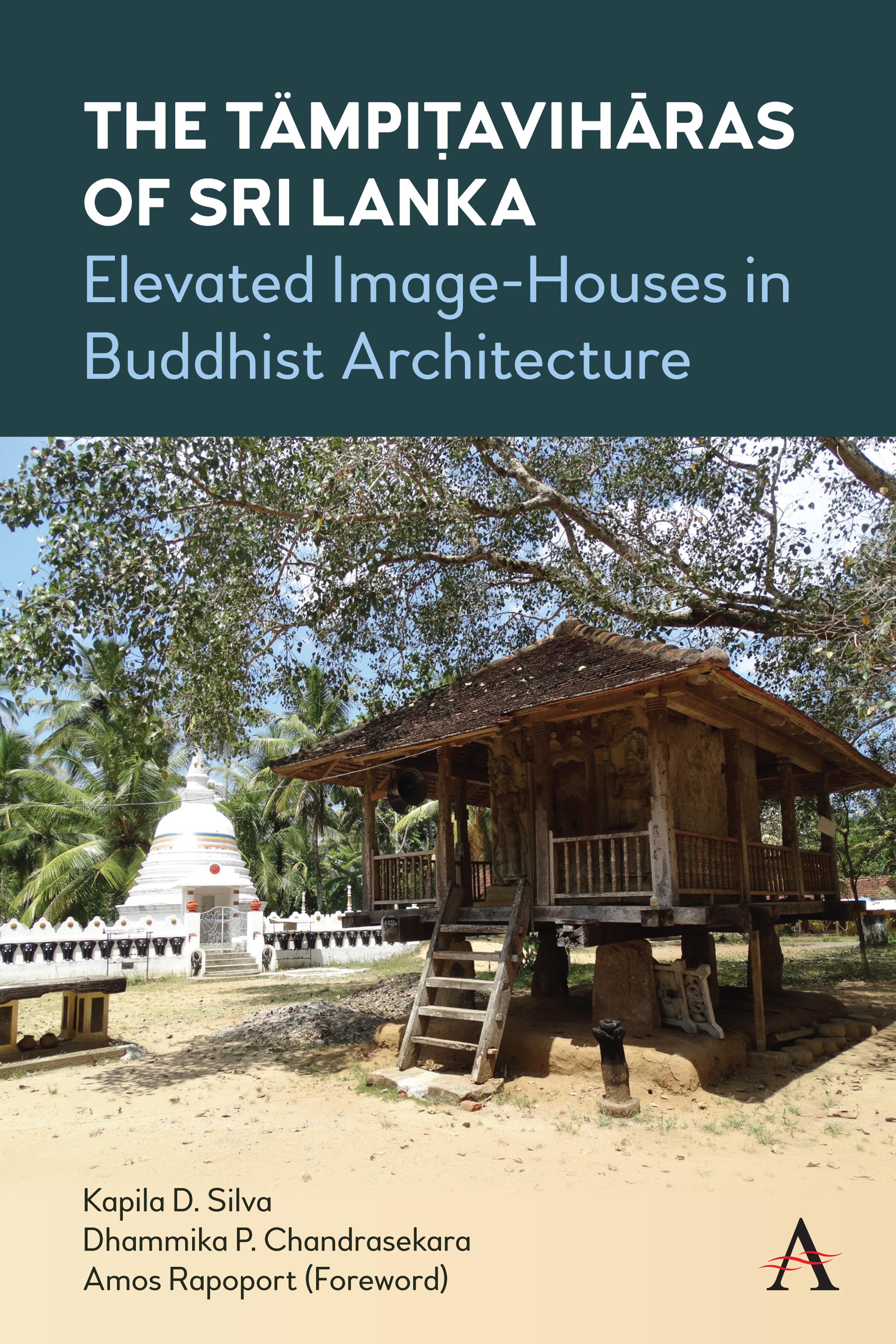
The Ṭämpiṭavihāras of Sri Lanka focuses on one distinctive Buddhist architectural practice from pre-modern Sri Lanka – the construction of Buddha image-houses on elevated wooden platforms supported by stone pillars. As a centre of Buddhism, Sri Lanka has a rich tradition of erecting Buddha image-houses, the origin of which dates to the fifth century. Yet, the ṭämpiṭavihāra tradition only existed from the thirteenth to the nineteenth centuries. The ṭämpiṭavihāra is an exceptional type of image-house, not only for its specific timeframe and unique construction technology, but also for its complex architectural conception of the Buddhist worldview and soteriology. This book examines the significant aspects of ṭämpiṭavihāra architecture and documents some of the distinctive examples of ṭämpiṭavihāra with an analysis of their architectural design and symbolic content.
Betal enkelt med kort, Klarna, Apple Pay eller Google Pay. Ikke fornøyd? Du har alltid 14 dagers angrerett. Les mer i våre vilkår. Har du spørsmål, send oss en e-post på hello@memmo.org.
Memmo gjør det enklere å studere – uansett hvor du er i verden. Hos oss samler du pensumbøker og smarte studieverktøy på ett og samme sted: sammendrag, quizer, podkaster og flashcards. Og så Ted, din studiekompis som svarer på alt du lurer på. Over 50 000 studenter studerer allerede her – bygget for at du skal lære raskere og stresse mindre.