
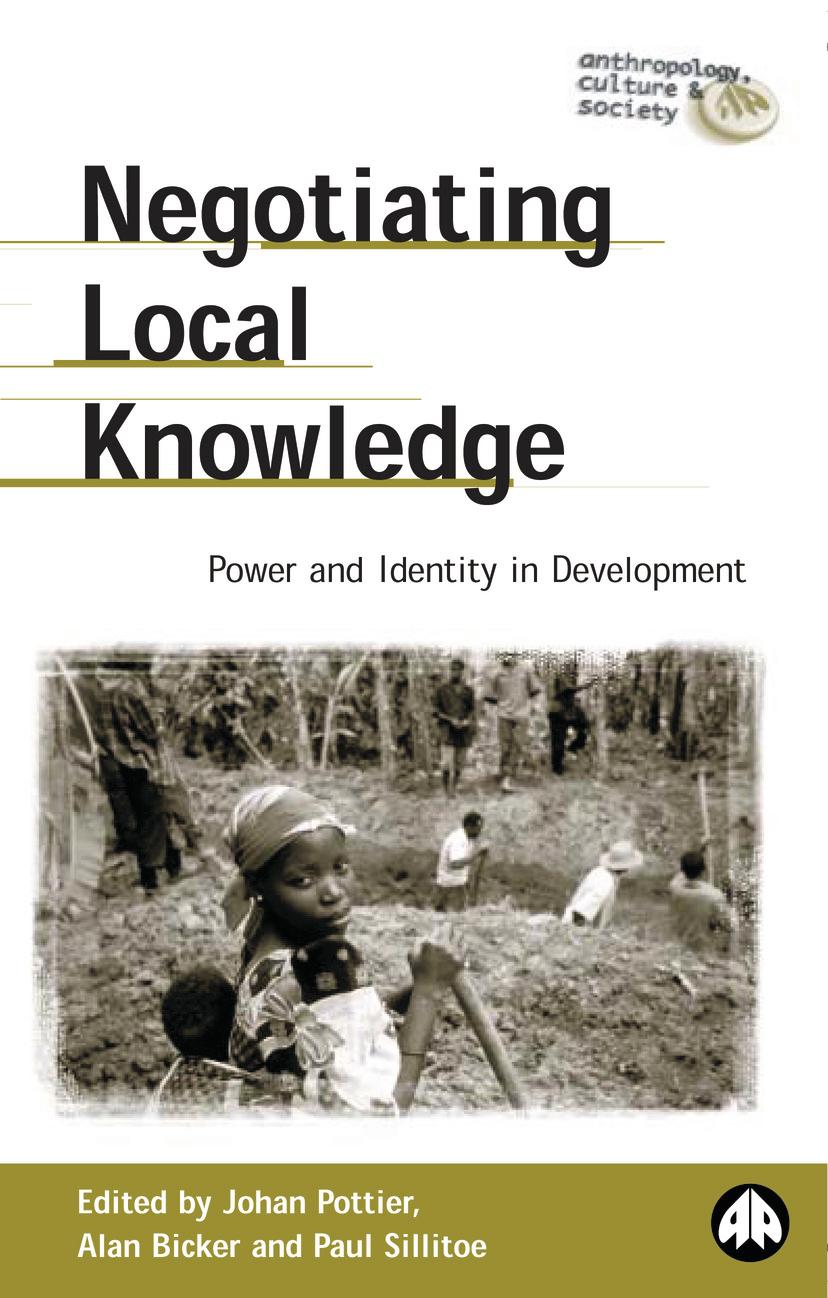
This is an original approach to debates about indigenous knowledge. Concentrating on the political economy of knowledge construction and dissemination, they look at the variety of ways in which development policies are received and constructed, to reveal the ways in which local knowledge are appropriated and recast, either by local elites or by development agencies.
Until now, debates about indigenous knowledge have largely been conducted in terms of agricultural and environmental issues such as bio-piracy and gene patenting. This collection breaks new ground by opening up the theoretical debate to include areas such as post-war traumatic stress counselling, representations of nuclear capability, architecture, mining, and the politics of eco-tourism.
Until now, debates about indigenous knowledge have largely been conducted in terms of agricultural and environmental issues such as bio-piracy and gene patenting. This collection breaks new ground by opening up the theoretical debate to include areas such as post-war traumatic stress counselling, representations of nuclear capability, architecture, mining, and the politics of eco-tourism.
Betal enkelt med kort, Klarna, Apple Pay eller Google Pay. Ikke fornøyd? Du har alltid 14 dagers angrerett. Les mer i våre vilkår. Har du spørsmål, send oss en e-post på hello@memmo.org.
Memmo gjør det enklere å studere – uansett hvor du er i verden. Hos oss samler du pensumbøker og smarte studieverktøy på ett og samme sted: sammendrag, quizer, podkaster og flashcards. Og så Ted, din studiekompis som svarer på alt du lurer på. Over 50 000 studenter studerer allerede her – bygget for at du skal lære raskere og stresse mindre.
Du vil kanskje også like
Kjøp boken0