
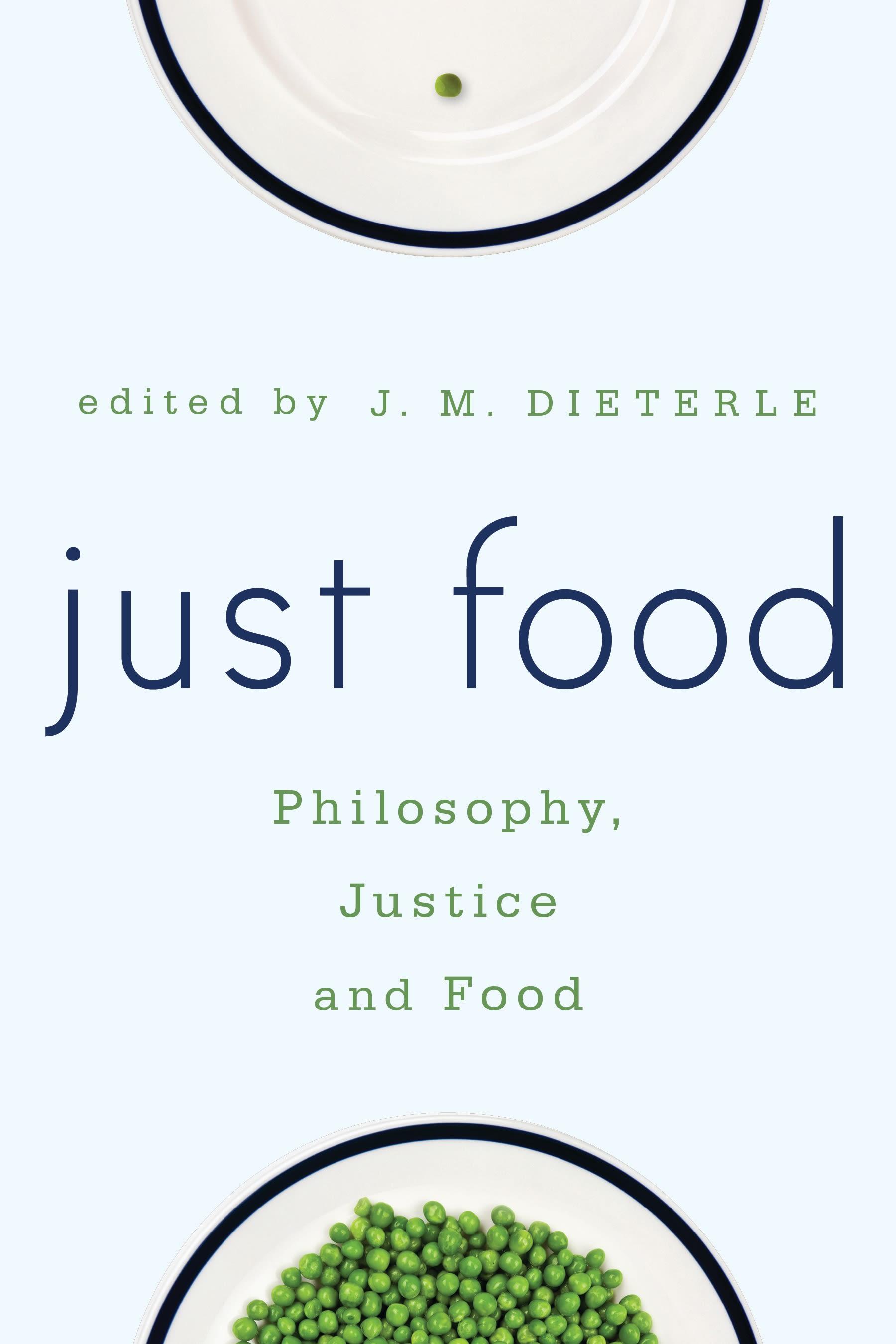
Who has access, and who is denied access, to food, and why? What are the consequences of food insecurity? What would it take for the food system to be just?
Just Food: Philosophy, Justice and Food presents thirteen new philosophical essays that explore the causes and consequences of the inequities of our contemporary food system. It examines why 842 million people globally are unable to meet their dietary needs, and why food insecurity is not simply a matter of insufficient supply. The book looks at how food insecurity tracks other social injustices, covering topics such as race, gender and property, as well as food sovereignty, food deserts, and locavorism. The essays in this volume make an important and timely contribution to the wider philosophical debate around food distribution and justice.
Just Food: Philosophy, Justice and Food presents thirteen new philosophical essays that explore the causes and consequences of the inequities of our contemporary food system. It examines why 842 million people globally are unable to meet their dietary needs, and why food insecurity is not simply a matter of insufficient supply. The book looks at how food insecurity tracks other social injustices, covering topics such as race, gender and property, as well as food sovereignty, food deserts, and locavorism. The essays in this volume make an important and timely contribution to the wider philosophical debate around food distribution and justice.
Betal enkelt med kort, Klarna, Apple Pay eller Google Pay. Ikke fornøyd? Du har alltid 14 dagers angrerett. Les mer i våre vilkår. Har du spørsmål, send oss en e-post på hello@memmo.org.
Memmo gjør det enklere å studere – uansett hvor du er i verden. Hos oss samler du pensumbøker og smarte studieverktøy på ett og samme sted: sammendrag, quizer, podkaster og flashcards. Og så Ted, din studiekompis som svarer på alt du lurer på. Over 50 000 studenter studerer allerede her – bygget for at du skal lære raskere og stresse mindre.