
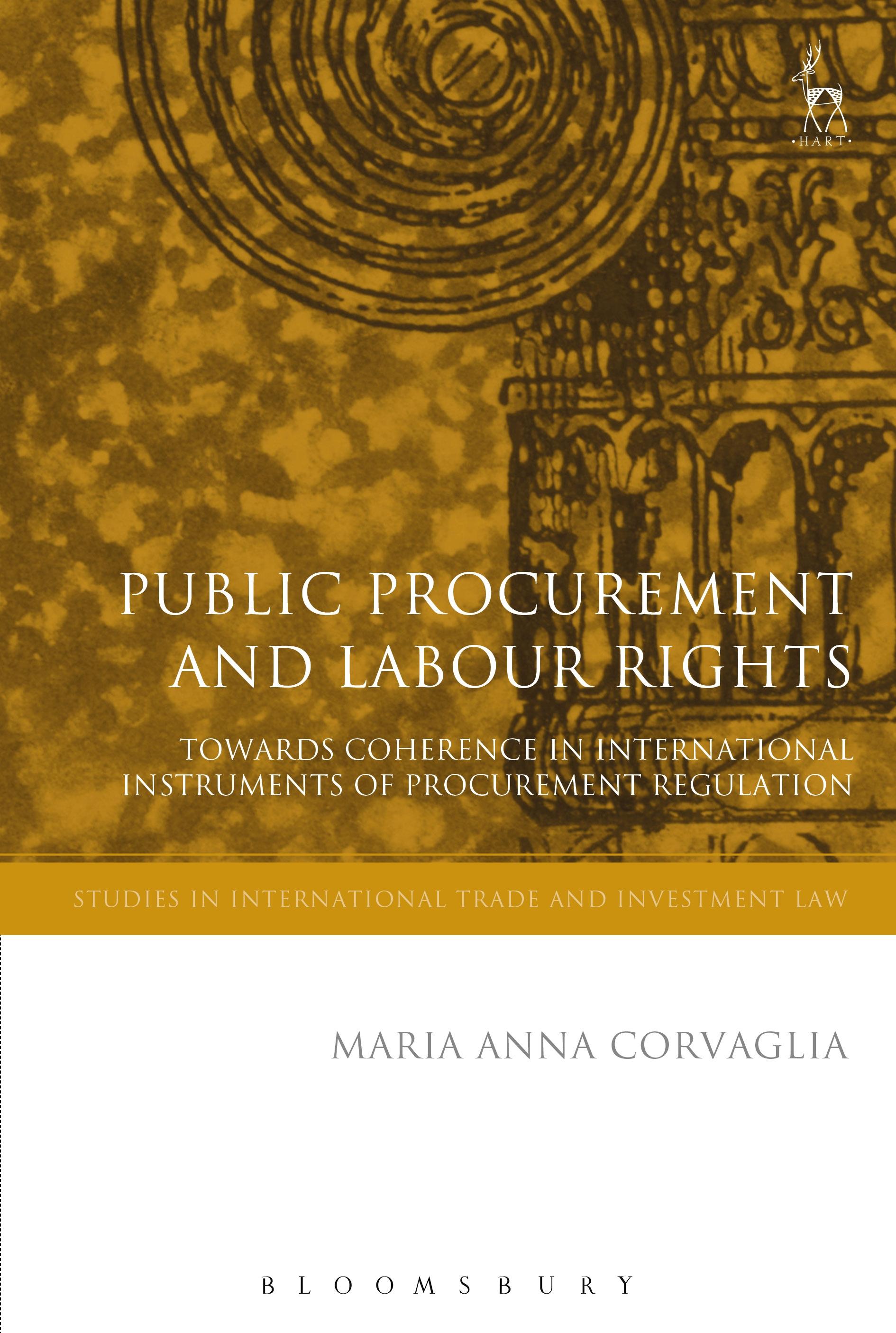
This book investigates patterns of fragmentation and coherence in the international regulatory architecture of public procurement. In the context of the major international instruments of procurement regulation, the book studies the achievement of social and labour policies, the most controversial and problematic instrumental uses of public procurement practices.
This work offers an innovative comparative approach, discussing the ways in which the different international instruments-namely the EU Procurement Directives, the WTO Agreement on Government Procurement, the UNCITRAL Model Law and the World Bank's Procurement Framework-are able to implement labour and social purposes and, at the same time, ensure a regulatory balance with the principles of efficiency and non-discrimination.
Scholarly, rigorous and timely, this will be important reading for international trade lawyers and procurement practitioners.
This work offers an innovative comparative approach, discussing the ways in which the different international instruments-namely the EU Procurement Directives, the WTO Agreement on Government Procurement, the UNCITRAL Model Law and the World Bank's Procurement Framework-are able to implement labour and social purposes and, at the same time, ensure a regulatory balance with the principles of efficiency and non-discrimination.
Scholarly, rigorous and timely, this will be important reading for international trade lawyers and procurement practitioners.
Betal enkelt med kort, Klarna, Apple Pay eller Google Pay. Ikke fornøyd? Du har alltid 14 dagers angrerett. Les mer i våre vilkår. Har du spørsmål, send oss en e-post på hello@memmo.org.
Memmo gjør det enklere å studere – uansett hvor du er i verden. Hos oss samler du pensumbøker og smarte studieverktøy på ett og samme sted: sammendrag, quizer, podkaster og flashcards. Og så Ted, din studiekompis som svarer på alt du lurer på. Over 50 000 studenter studerer allerede her – bygget for at du skal lære raskere og stresse mindre.