
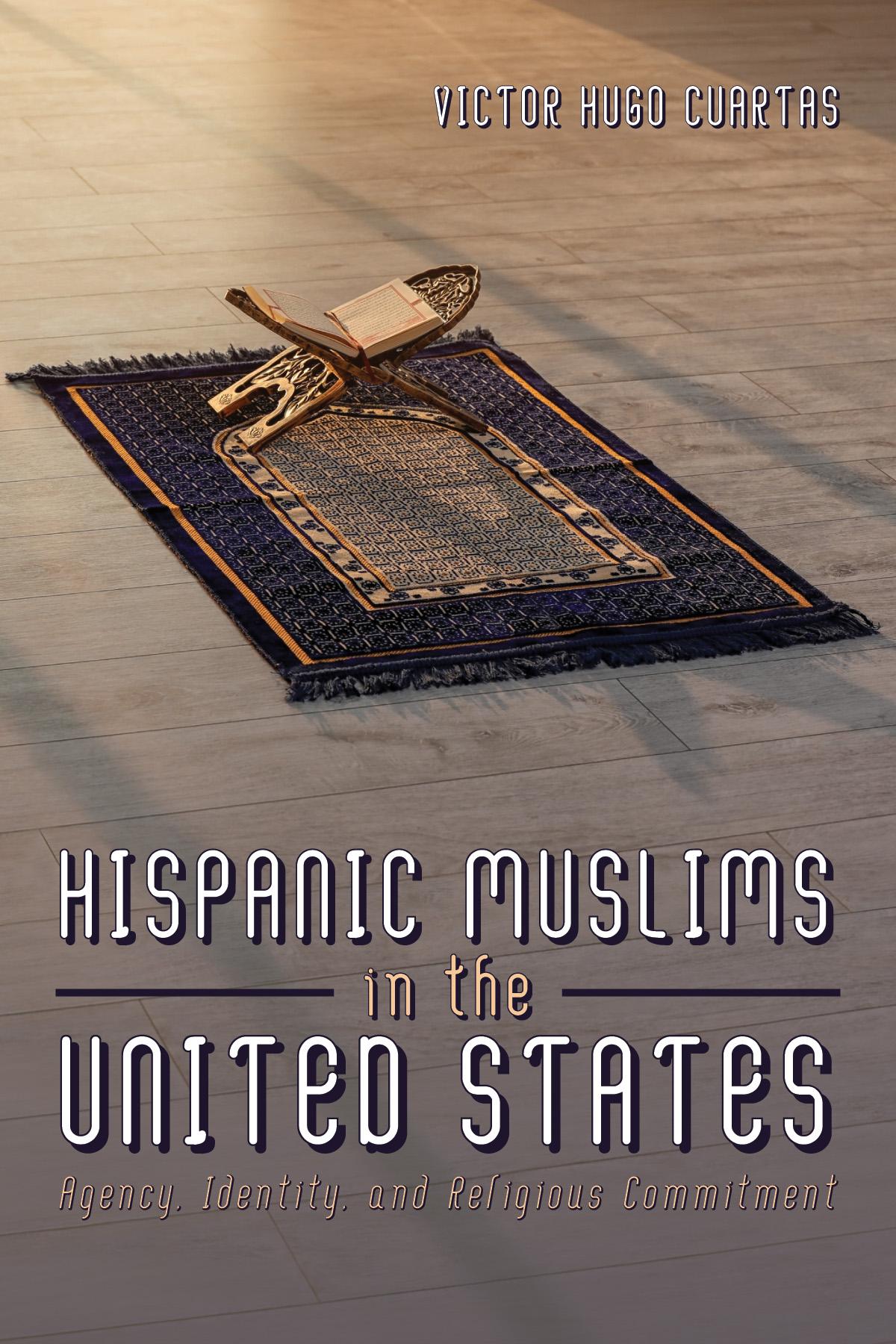
The empirical case in this study is that of the Hispanic Catholic converts to Islam in the Washington, DC Metropolitan and New Jersey areas of the United States. The central research question is: To what extent do Hispanic Muslim converts play a role in making different choices regarding religious commitment and practice? The argument is that not only do both the more and less active converts play a central role in making choices during the pre-affiliation and post-affiliation stages, but that these choices can often be strategic in nature as they practice the new religion in the United States. These choices are shaped by multiple factors. This contributes to a new understanding of the prevailing debates among Muslims in Europe and the United States on the nature of Muslim minorities in the West--that Muslims here are not merely transplanted but are active participants of diverse expressions of local Islam. The evidence in my research shows that being less active does not mean converts do not play a role or make choices. Both more active and less active converts make choices based on multiple factors. This is especially significant as the main aim of this thesis is to show that the converts make choices and play a role in the post-affiliation stage and that these often have strategic elements.
Betal enkelt med kort, Klarna, Apple Pay eller Google Pay. Ikke fornøyd? Du har alltid 14 dagers angrerett. Les mer i våre vilkår. Har du spørsmål, send oss en e-post på hello@memmo.org.
Memmo gjør det enklere å studere – uansett hvor du er i verden. Hos oss samler du pensumbøker og smarte studieverktøy på ett og samme sted: sammendrag, quizer, podkaster og flashcards. Og så Ted, din studiekompis som svarer på alt du lurer på. Over 50 000 studenter studerer allerede her – bygget for at du skal lære raskere og stresse mindre.
Du vil kanskje også like
Kjøp boken0