
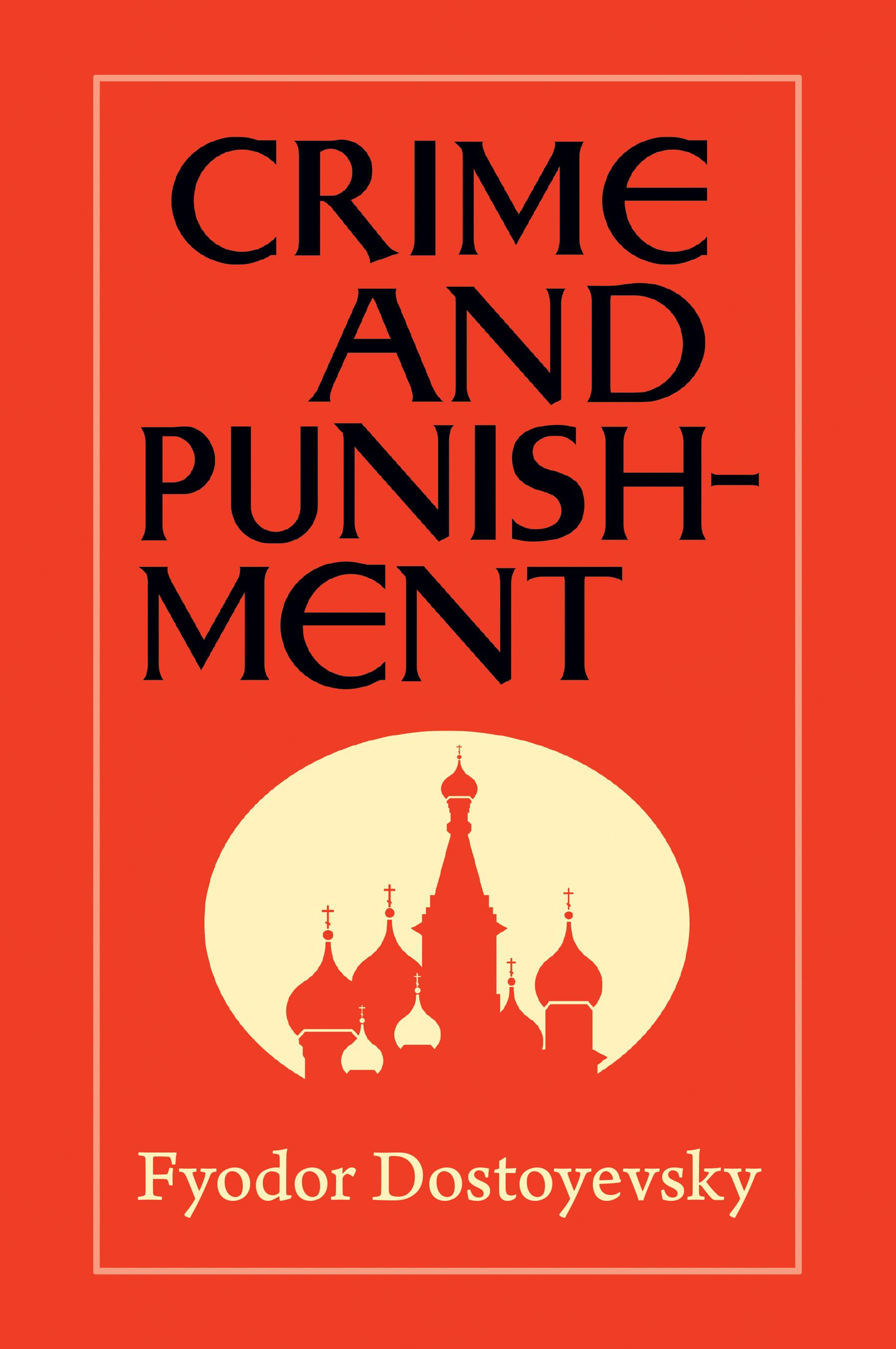
Fyodor Dostoevsky’s Crime and Punishment focuses on the mental anguish and moral dilemmas of Rodion Raskolnikov, an impoverished ex-student living in Saint Petersburg who feels compelled to rob and murder Alyona Ivanovna, an elderly pawn broker and money lender.
Raskolnikov believes with the money he steals he could liberate himself from poverty and perform great deeds. After much deliberation, he sneaks into her apartment and commits the murder. In the chaos that ensues, he fails to steal anything valuable, which was the primary purpose of his actions. Although the murder and robbery are bungled, Raskolnikov escapes without being seen and seems to have committed the perfect crime.
There’s one devastating hitch: the feverish delirium of his own conscience. Raskolnikov is racked with guilt over the crime and worries excessively about being discovered. His ethical justifications disintegrate as he confronts the real-world moral consequences of his deed. Racked with confusion, paranoia, and disgust for what he’s done, he falls into a feverish state as his guilt manifests itself in physical ways. His actions grow increasingly strange as if subconsciously, he wants to be discovered. When suspicion falls on him, he’s faced with the decision of how he can atone for his terrible crime so he can find psychological relief.
As usual in Dostoyevsky’s work, he brilliantly explores the psychology of his characters for a deeper understanding of their motivation and conflict central to the human condition. First published in 1866, Crime and Punishment is one of Fyodor Dostoyevsky’s most famous novels, and regarded as one of the true masterpieces of world literature.
Raskolnikov believes with the money he steals he could liberate himself from poverty and perform great deeds. After much deliberation, he sneaks into her apartment and commits the murder. In the chaos that ensues, he fails to steal anything valuable, which was the primary purpose of his actions. Although the murder and robbery are bungled, Raskolnikov escapes without being seen and seems to have committed the perfect crime.
There’s one devastating hitch: the feverish delirium of his own conscience. Raskolnikov is racked with guilt over the crime and worries excessively about being discovered. His ethical justifications disintegrate as he confronts the real-world moral consequences of his deed. Racked with confusion, paranoia, and disgust for what he’s done, he falls into a feverish state as his guilt manifests itself in physical ways. His actions grow increasingly strange as if subconsciously, he wants to be discovered. When suspicion falls on him, he’s faced with the decision of how he can atone for his terrible crime so he can find psychological relief.
As usual in Dostoyevsky’s work, he brilliantly explores the psychology of his characters for a deeper understanding of their motivation and conflict central to the human condition. First published in 1866, Crime and Punishment is one of Fyodor Dostoyevsky’s most famous novels, and regarded as one of the true masterpieces of world literature.
Betal enkelt med kort, Klarna, Apple Pay eller Google Pay. Ikke fornøyd? Du har alltid 14 dagers angrerett. Les mer i våre vilkår. Har du spørsmål, send oss en e-post på hello@memmo.org.
Memmo gjør det enklere å studere – uansett hvor du er i verden. Hos oss samler du pensumbøker og smarte studieverktøy på ett og samme sted: sammendrag, quizer, podkaster og flashcards. Og så Ted, din studiekompis som svarer på alt du lurer på. Over 50 000 studenter studerer allerede her – bygget for at du skal lære raskere og stresse mindre.
Du vil kanskje også like
Kjøp boken0