
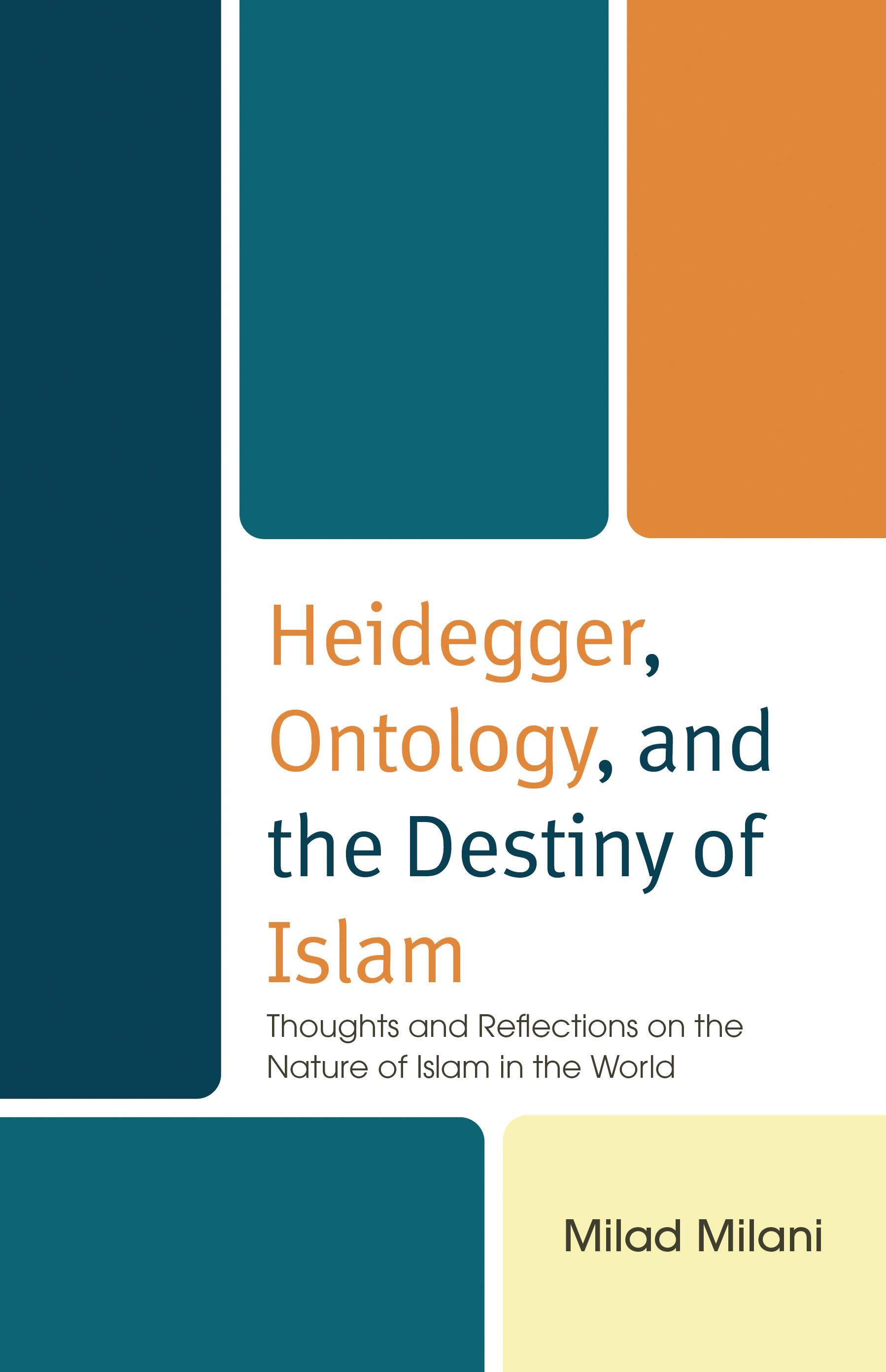
Heidegger, Ontology, and the Destiny of Islam: Thoughts and Reflections on the Nature of Islam in the World critiques Islam as a phenomenon set into motion from its beginning. It is a reflective work that addresses difficult questions about Islam through familiar historical concerns and grapples with the issues that arise in that process. Notably, it attests to making no substantive claims about Muslims and instead keeps to the course of analysis of the phenomenon that is Islam, which is taken as an assessable entity rather than a categorical construct. Understood largely in light of a history of observable realities, the ontological analysis of Islam reveals the general acquaintance with it to be imperfect. This suggests the reality of Islam is based on a primal truth that is only partially seen. The analysis then confronts two problems: firstly, that Islam is not what its historical “story,” as it were, proclaims and, secondly, that Islam is therefore not what is traditionally made out of the surviving historical narratives. It is not a question of “what” Islam is, but more critically, “how” Islam appears in the world.
Betal enkelt med kort, Klarna, Apple Pay eller Google Pay. Ikke fornøyd? Du har alltid 14 dagers angrerett. Les mer i våre vilkår. Har du spørsmål, send oss en e-post på hello@memmo.org.
Memmo gjør det enklere å studere – uansett hvor du er i verden. Hos oss samler du pensumbøker og smarte studieverktøy på ett og samme sted: sammendrag, quizer, podkaster og flashcards. Og så Ted, din studiekompis som svarer på alt du lurer på. Over 50 000 studenter studerer allerede her – bygget for at du skal lære raskere og stresse mindre.