
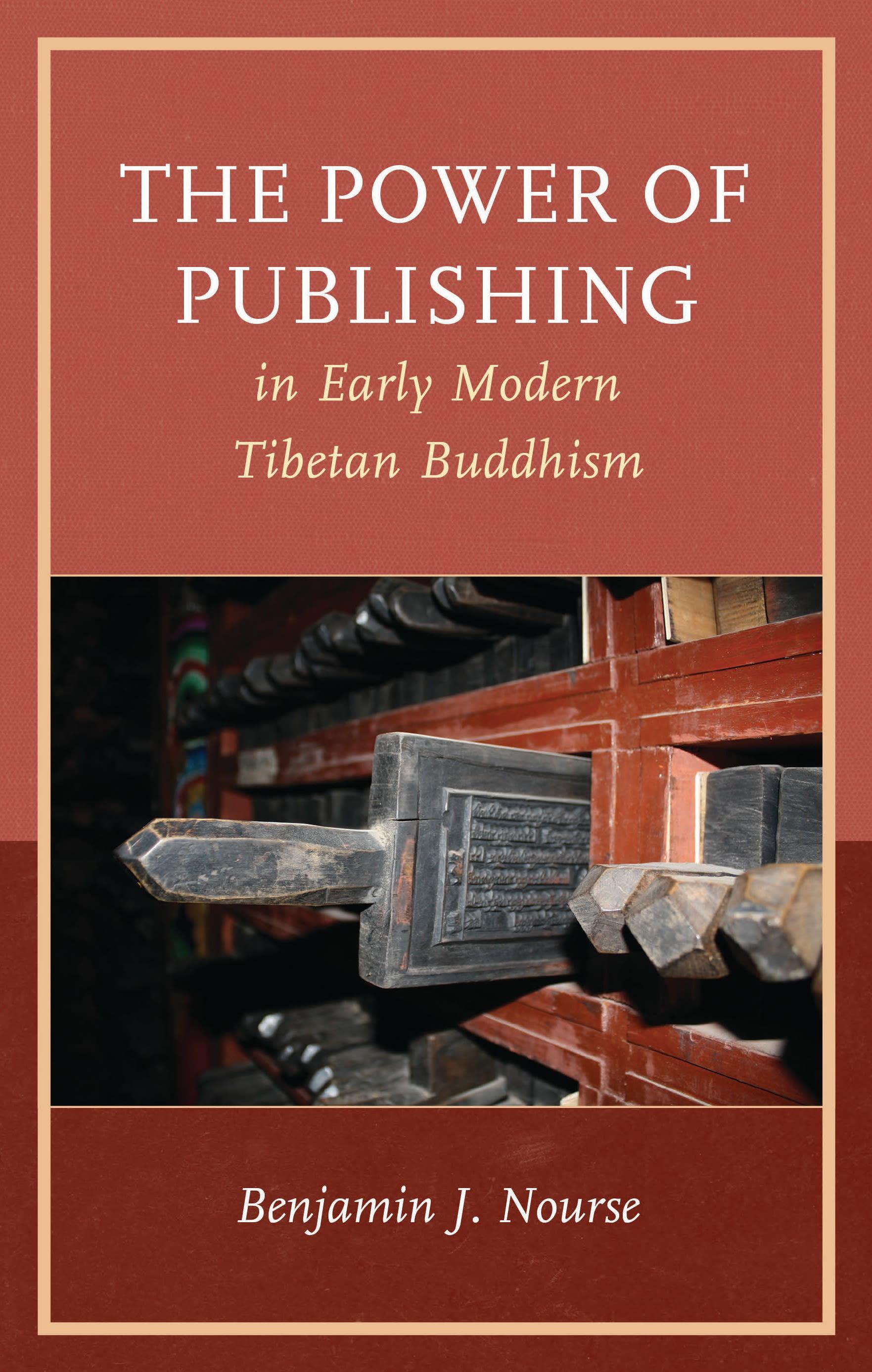
The Power of Publishing in Early Modern Tibetan Buddhism explores the historical and religious dynamics that led to the “golden age” of Tibetan printing in the late seventeenth and eighteenth centuries, when Tibetan woodblock publishing reached its zenith. By tracing the publication and circulation of Tibetan books in early modern Asia, from the Fifth Dalai Lama's Potala Palace in Lhasa, through cosmopolitan Qing Beijing, and into monastic colleges on the Sino-Tibetan borderlands, this book demonstrates how woodblock publishing helped shape the religious and political landscapes of Tibet, Mongolia, and China into the twentieth century. Intertwined with this larger historical narrative, this volume explores the meaning and purpose of books in early modern Tibetan Buddhist cultures, especially the role of Mahayana Buddhist ideas as a driving force behind both the growth of woodblock publishing at that time and the use of Tibetan Buddhist books for a variety of activities, including scholarship, exchange, ritual, and a wide range of reading practices.
Betal enkelt med kort, Klarna, Apple Pay eller Google Pay. Ikke fornøyd? Du har alltid 14 dagers angrerett. Les mer i våre vilkår. Har du spørsmål, send oss en e-post på hello@memmo.org.
Memmo gjør det enklere å studere – uansett hvor du er i verden. Hos oss samler du pensumbøker og smarte studieverktøy på ett og samme sted: sammendrag, quizer, podkaster og flashcards. Og så Ted, din studiekompis som svarer på alt du lurer på. Over 50 000 studenter studerer allerede her – bygget for at du skal lære raskere og stresse mindre.