
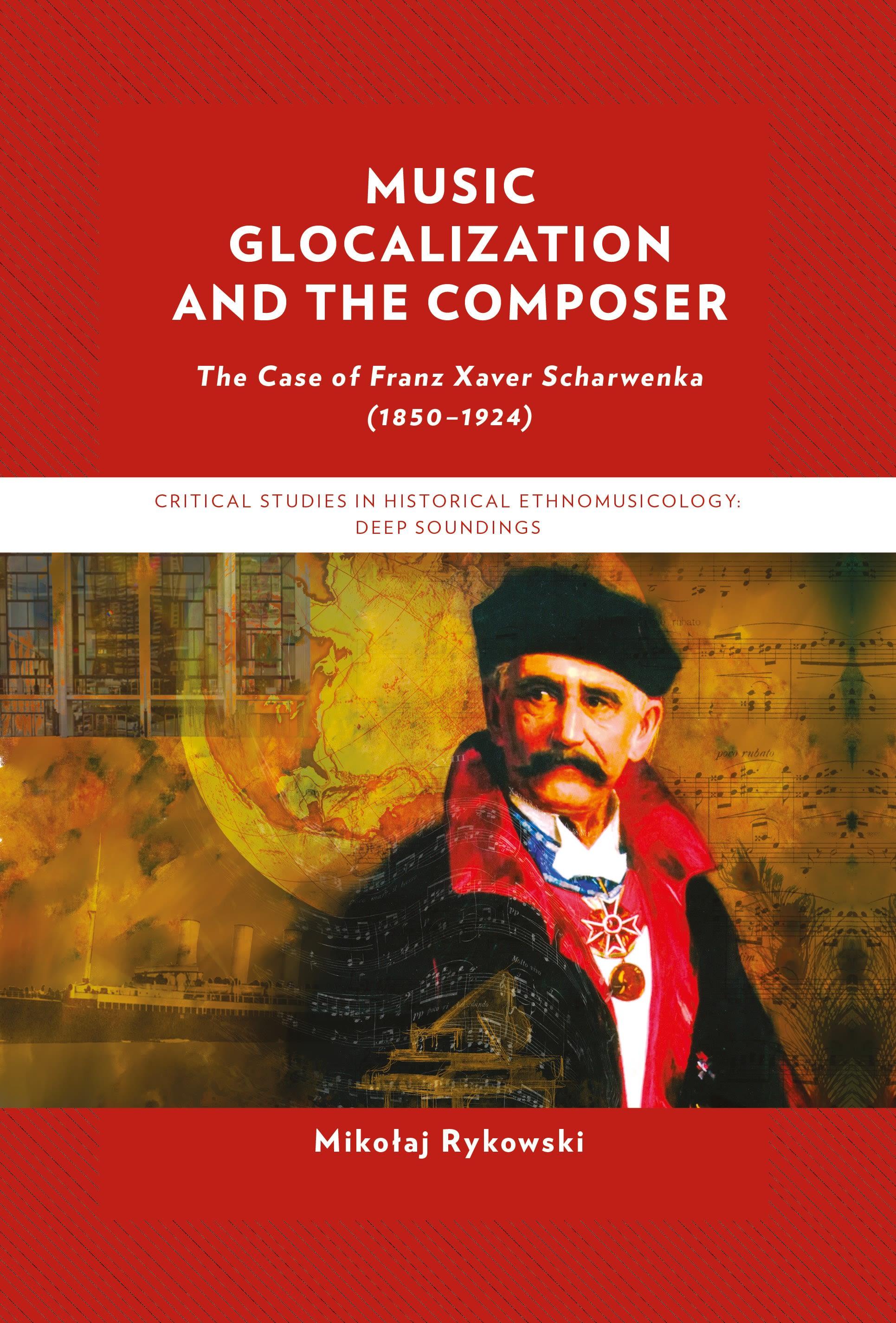
Music Glocalization and the Composer: The Case of Franz Xaver Scharwenka (1850–1924) examines the life, milieu, and music of composer Franz Xaver Scharwenka. Mikolaj Rykowski argues that Scharwenka held the ability to function on a global scale relatively early in music history, founding conservatories in Berlin and New York, becoming one of the first artists to record music using cutting-edge audio technology of his time, namely the Welte-Mignon rolls, and by staging his own opera at The Met. Using a relatively new methodological perspective called music glocalization, Rykowski enables us to explore the composer's cultural roots in Poland and observe how the nineteenth century global sense of nationality influenced his musical output.
Betal enkelt med kort, Klarna, Apple Pay eller Google Pay. Ikke fornøyd? Du har alltid 14 dagers angrerett. Les mer i våre vilkår. Har du spørsmål, send oss en e-post på hello@memmo.org.
Memmo gjør det enklere å studere – uansett hvor du er i verden. Hos oss samler du pensumbøker og smarte studieverktøy på ett og samme sted: sammendrag, quizer, podkaster og flashcards. Og så Ted, din studiekompis som svarer på alt du lurer på. Over 50 000 studenter studerer allerede her – bygget for at du skal lære raskere og stresse mindre.