
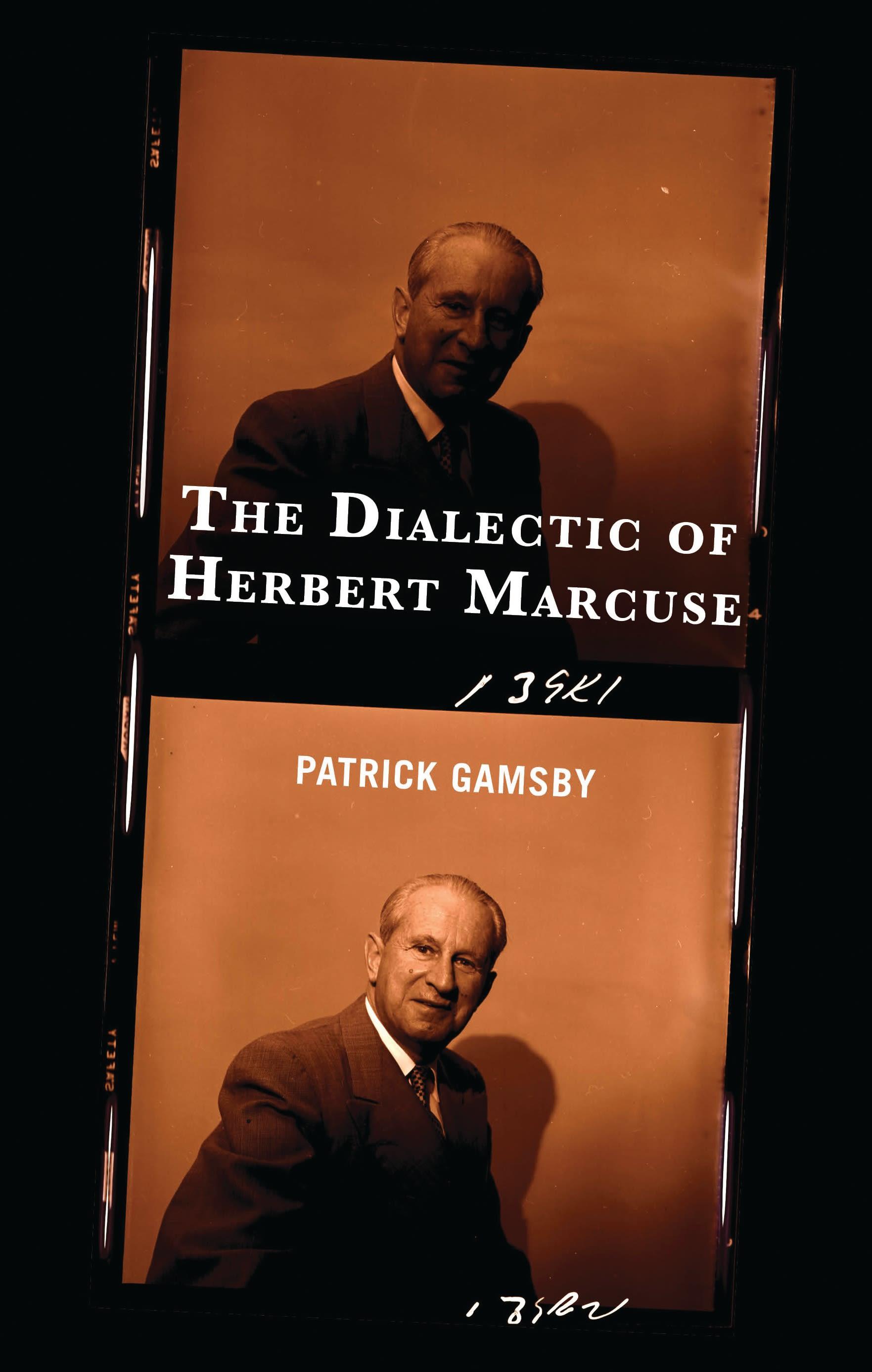
Herbert Marcuse (1898–1979) was one of the most recognizable and controversial public intellectuals throughout the 1960s until his death in the late 1970s, but today Marcuse’s work largely stands in the shadows of other Frankfurt School members and critical thinkers. Despite having once held a prominent and influential position amongst scholars, activists, and readers in the twentieth century, it is argued that Marcuse’s work nevertheless remains largely misunderstood. The Dialectic of Herbert Marcuse offers a new interpretation of Marcuse, one that attempts to show how Marcuse’s work has so often been turned into something else—into its opposite. In shining a light on parts of the unknown Marcuse, through the use of archival material and published works, this book reveals Marcuse’s Critical Theory to be one of hope, not one of pessimism, as it is so often portrayed to be. Ultimately, it is argued that Marcuse’s Critical Theory remains a vital and important body of work for present-day society and ought to be revisited.
Betal enkelt med kort, Klarna, Apple Pay eller Google Pay. Ikke fornøyd? Du har alltid 14 dagers angrerett. Les mer i våre vilkår. Har du spørsmål, send oss en e-post på hello@memmo.org.
Memmo gjør det enklere å studere – uansett hvor du er i verden. Hos oss samler du pensumbøker og smarte studieverktøy på ett og samme sted: sammendrag, quizer, podkaster og flashcards. Og så Ted, din studiekompis som svarer på alt du lurer på. Over 50 000 studenter studerer allerede her – bygget for at du skal lære raskere og stresse mindre.