
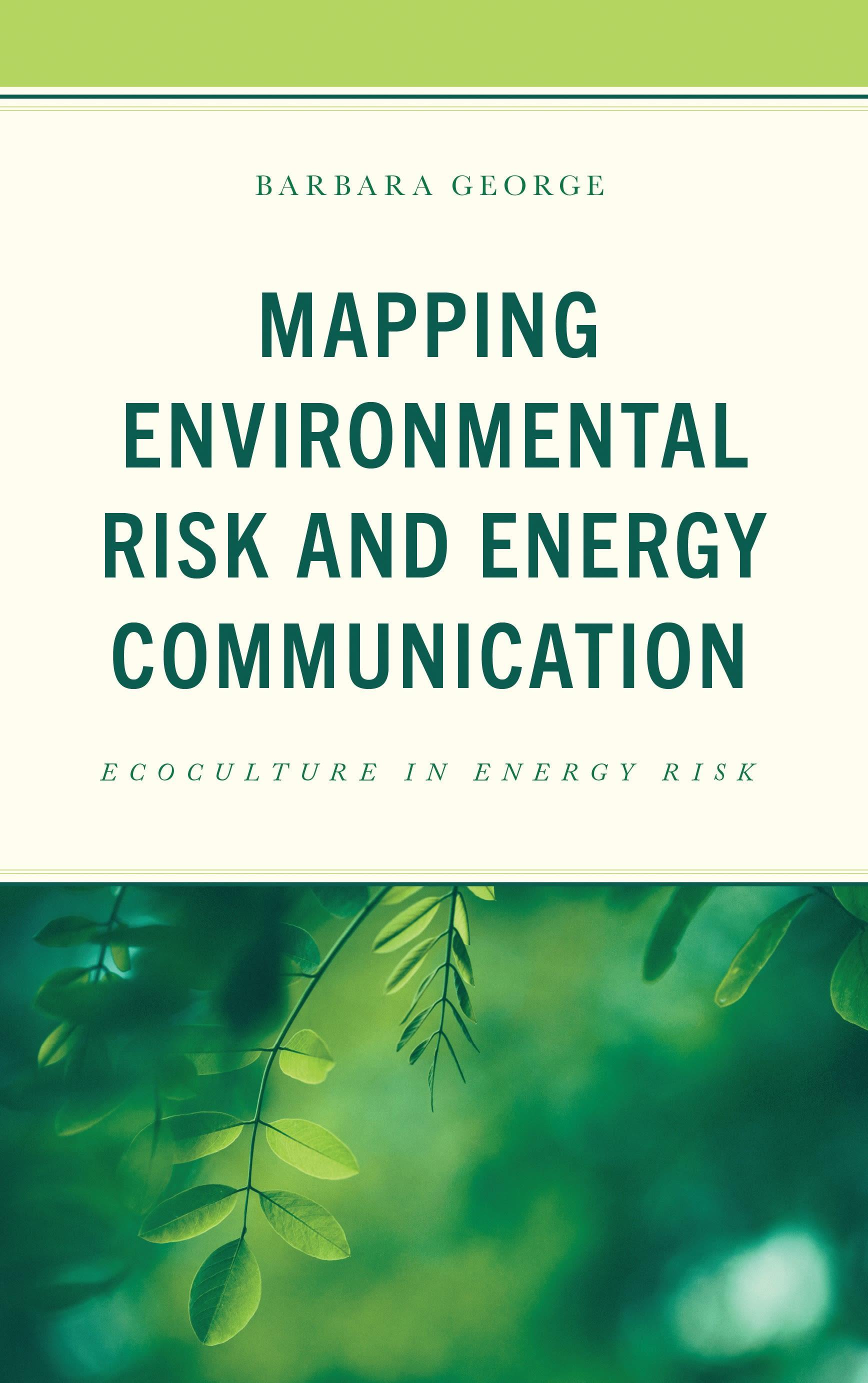
As the rise of the Anthropocene has led to serious deliberation about how energy is best produced and distributed in a world pressured by both the depletion of natural resources and global climate change, advances in technology have enabled new systems of extracting energy like High Volume Hydraulic Fracturing (HVHF), commonly known as fracking, that complicate these discussions. In this book, Barbara George explores how citizens impacted by HVHF tell stories about environmental risks, the conflict they experience in attempting to articulate these risks, and the hope for a post-carbon future in which HVHF is banned. Deep ideologies linked to history, coal, and industry permeate areas like the Rust Belt and Appalachia and, George argues, create “frames” that encourage and advocate for HVHF and make it difficult for publics in these locales to find a platform to tell their stories in a meaningful way. This book offers a case study of three communities in the United States – New York, Pennsylvania, and Ohio – and how each community frames HVHF environmental and health risks differently based on their differing sociocultural histories. Scholars of communication, environmental studies, history, and sociology may find this book of particular interest.
Betal enkelt med kort, Klarna, Apple Pay eller Google Pay. Ikke fornøyd? Du har alltid 14 dagers angrerett. Les mer i våre vilkår. Har du spørsmål, send oss en e-post på hello@memmo.org.
Memmo gjør det enklere å studere – uansett hvor du er i verden. Hos oss samler du pensumbøker og smarte studieverktøy på ett og samme sted: sammendrag, quizer, podkaster og flashcards. Og så Ted, din studiekompis som svarer på alt du lurer på. Over 50 000 studenter studerer allerede her – bygget for at du skal lære raskere og stresse mindre.