
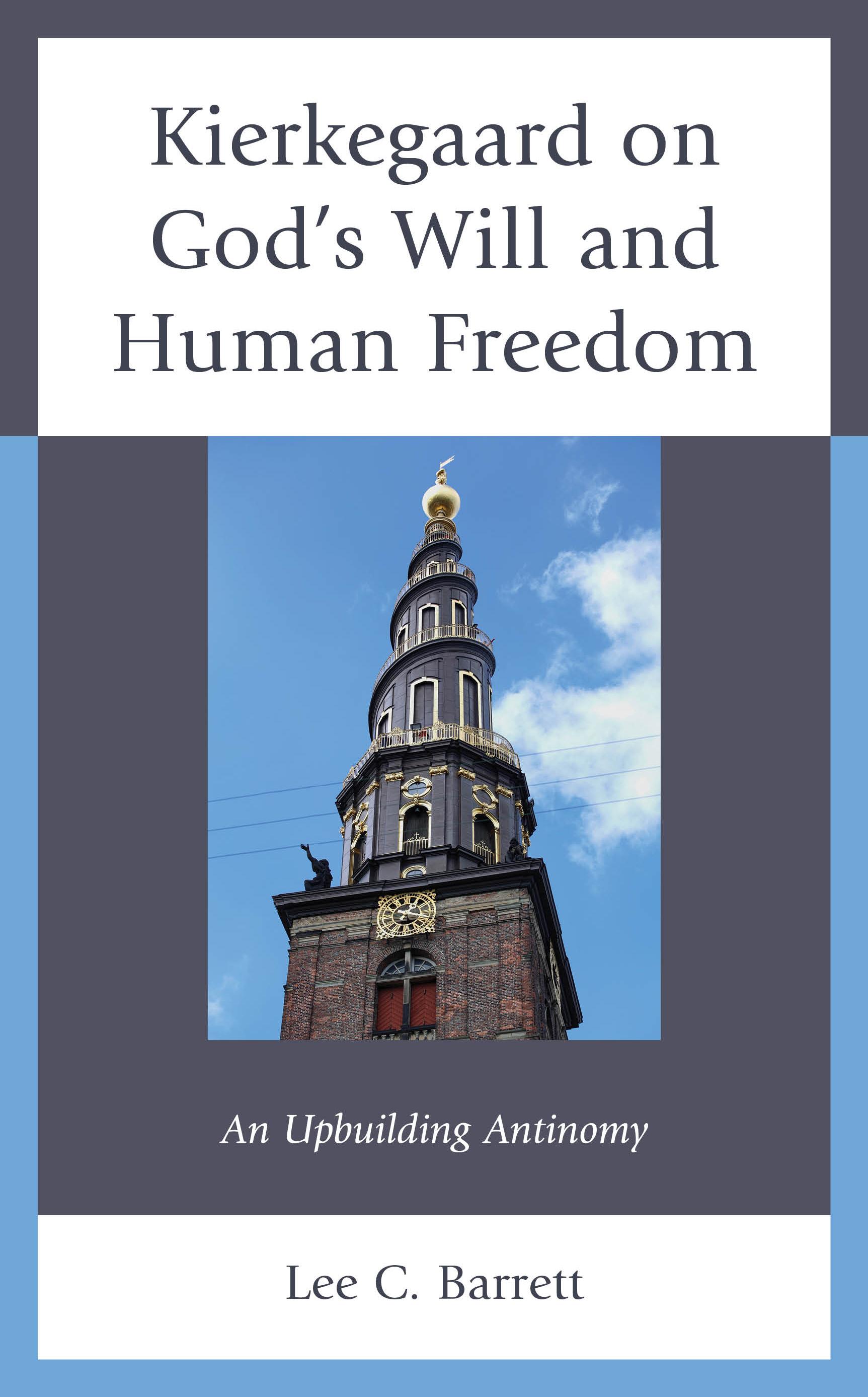
Søren Kierkegaard's authorship exhibits two different trajectories concerning the relation of responsible human agency to sovereign divine agency: one trajectory stresses free human striving, while the other trajectory emphasizes the dominance of divine agency. The first theme led to the view of Kierkegaard as the champion of autonomous existential “leaps,” while the second led to the construal of Kierkegaard as a devout Lutheran who trusted absolutely in God's gracious governance. Lee C. Barrett argues that Kierkegaard, influenced by Kant's critique of metaphysics, did not attempt to integrate human and divine agencies in any speculative theory. Instead, Kierkegaard deploys them to encourage different passions and dispositions that can be integrated in a coherent human life, making use of literary strategies to foster the different passions and dispositions that are associated with the themes of human responsibility and divine governance. Kierkegaard on God's Will and Human Freedom: An Upbuilding Antinomy offers an incisive account of what makes Kierkegaard's conception of theology as a matter of edification rather than speculation so distinctive and enduringly worthwhile.
Betal enkelt med kort, Klarna, Apple Pay eller Google Pay. Ikke fornøyd? Du har alltid 14 dagers angrerett. Les mer i våre vilkår. Har du spørsmål, send oss en e-post på hello@memmo.org.
Memmo gjør det enklere å studere – uansett hvor du er i verden. Hos oss samler du pensumbøker og smarte studieverktøy på ett og samme sted: sammendrag, quizer, podkaster og flashcards. Og så Ted, din studiekompis som svarer på alt du lurer på. Over 50 000 studenter studerer allerede her – bygget for at du skal lære raskere og stresse mindre.