
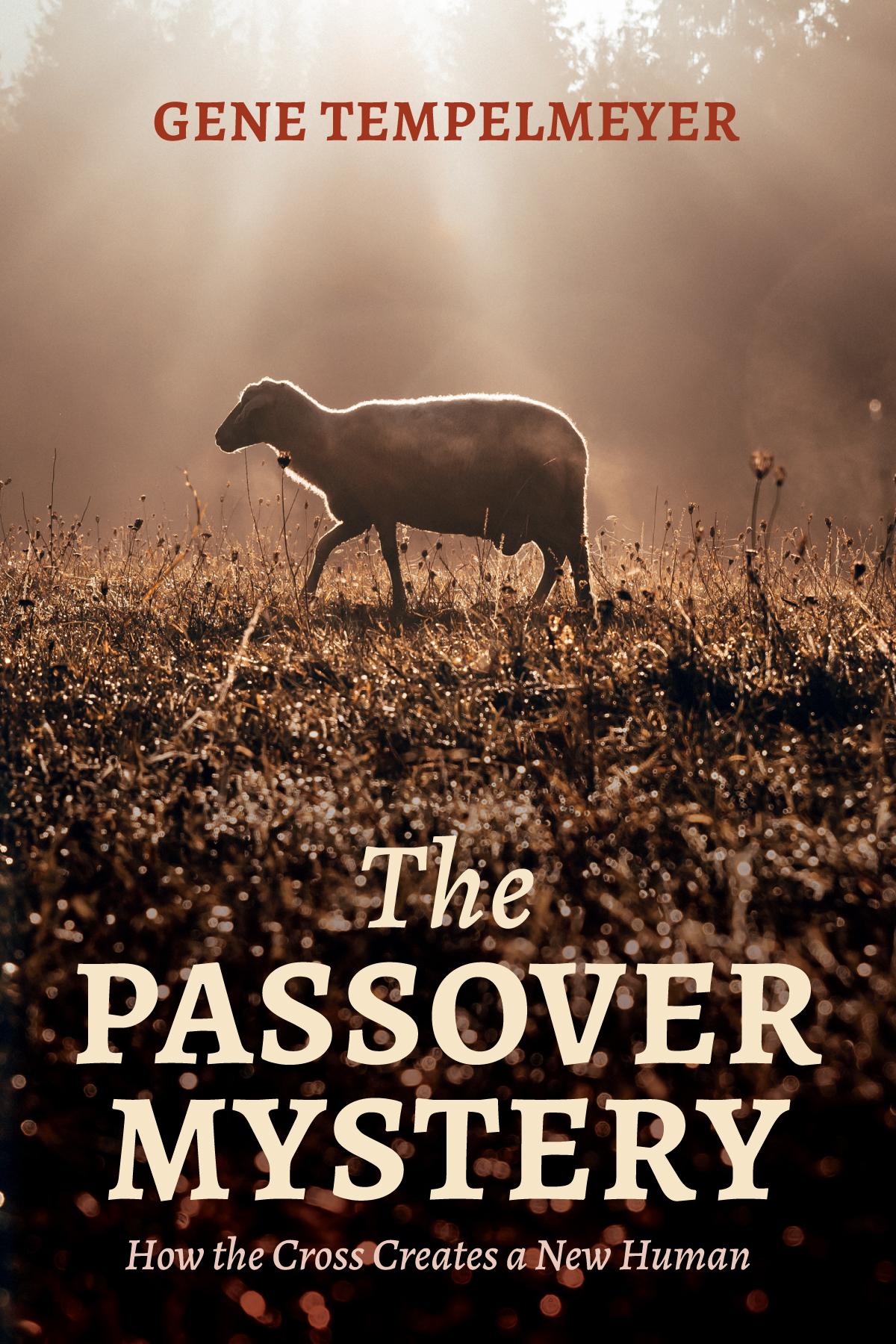
The cross remains the most familiar symbol of Christianity and the church, so common it is easy to forget it recalls one of the most vicious forms of execution devised. Perhaps an electric chair at the peak of our steeples would say to us what the cross said to the first believers.
Why did Christ have to suffer in such a brutal death? Did Jesus die on a cross because God is angry and violent, or because we are angry and violent? How does the cross create the possibility of a new kind of humanity ready for a new kind of world? What does the cross have to say about racial, economic, gender, and other human divisions? How does the cross offer forgiveness and end our shame, thereby freeing us from the wounds life has inflicted on us? What lessons does the cross teach about sharing life in community with others?
Very early in Christian history the idea of "The Pascal Mystery" entered the liturgy and thought of the church. Incorporating the life, death, resurrection, and ascension of Christ into one broad act by which we are reconciled with God, the Passover (Pascha) Mystery identifies the execution of Jesus with the Passover Lamb rather than the lamb sacrificed as a sin offering on the Day of Atonement. The Passover Lamb represents the obedience to God which nourishes and sustains God's people on their journey to freedom and wholeness.
Betal enkelt med kort, Klarna, Apple Pay eller Google Pay. Ikke fornøyd? Du har alltid 14 dagers angrerett. Les mer i våre vilkår. Har du spørsmål, send oss en e-post på hello@memmo.org.
Memmo gjør det enklere å studere – uansett hvor du er i verden. Hos oss samler du pensumbøker og smarte studieverktøy på ett og samme sted: sammendrag, quizer, podkaster og flashcards. Og så Ted, din studiekompis som svarer på alt du lurer på. Over 50 000 studenter studerer allerede her – bygget for at du skal lære raskere og stresse mindre.
Du vil kanskje også like
Kjøp boken0