
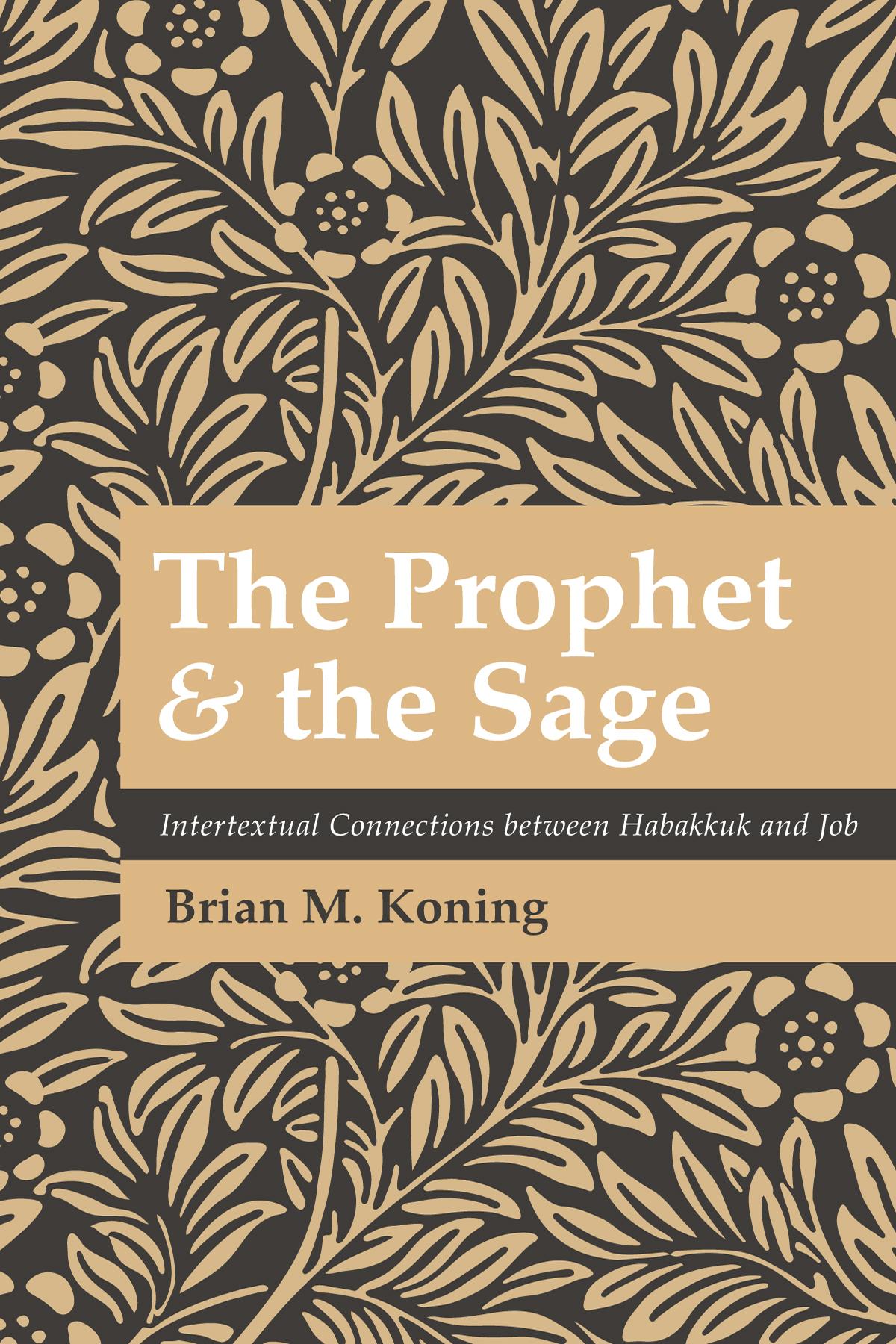
Job and Habakkuk represent the Bible's most focused interlocutors on the concepts of justice and theodicy. Both works center upon men chosen by God who see and suffer evil (Job 1:8, cf. Hab 1:1). Both books record the cries of these men as they wrestled to make sense of the world in which they lived (Job 3, cf. Hab 1:2-4). While they have a passing similarity, what if there is something more fundamental to their connection? What if these books are not merely two unconnected discourses on suffering, but linked in a significant way? By examining the texts themselves, this study explores the possibility that a textual relationship exists between portions of Habakkuk and Job and how the underlying transformation of Job's theodicy shapes Habakkuk's dialogue with God.
Betal enkelt med kort, Klarna, Apple Pay eller Google Pay. Ikke fornøyd? Du har alltid 14 dagers angrerett. Les mer i våre vilkår. Har du spørsmål, send oss en e-post på hello@memmo.org.
Memmo gjør det enklere å studere – uansett hvor du er i verden. Hos oss samler du pensumbøker og smarte studieverktøy på ett og samme sted: sammendrag, quizer, podkaster og flashcards. Og så Ted, din studiekompis som svarer på alt du lurer på. Over 50 000 studenter studerer allerede her – bygget for at du skal lære raskere og stresse mindre.
Du vil kanskje også like
Kjøp boken0