
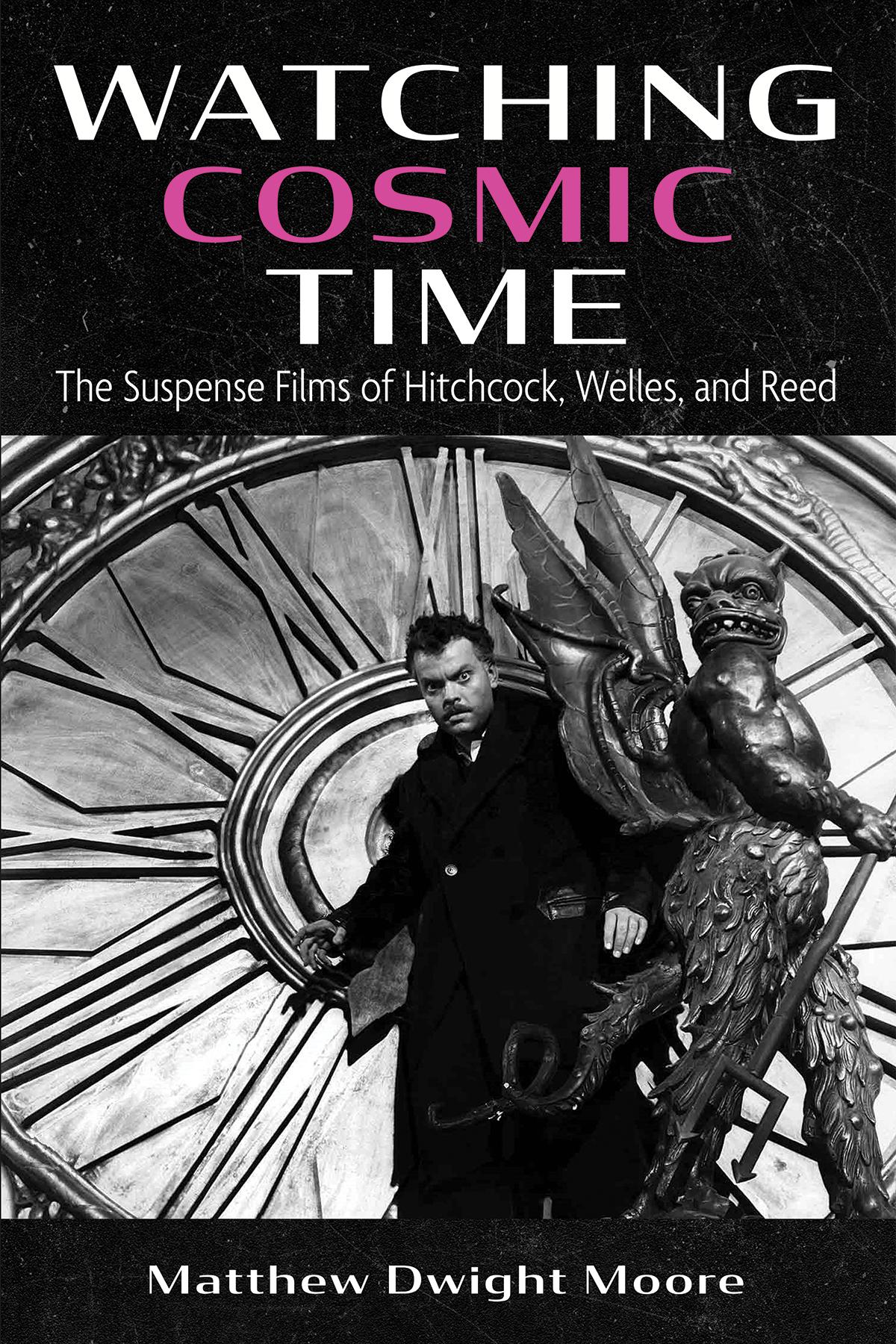
How do the suspense films of Alfred Hitchcock, Orson Welles, and Carol Reed allow us special insight into the popular mentality of their contemporaries--contemporaries who went to war against the forces of Adolf Hitler? How did midcentury films that fetishized clocks and time-keeping devices as diverse as Peter Pan, High Noon, Rear Window, Shadow of a Doubt, The Stranger, and Odd Man Out produce unique experiences that invited audiences to literally watch cosmic time? What role did cinema audiences play in perpetuating the presumption that order exists in the universe--and how have the polyvalent institutions of church and state implicated human agency in such perpetuation? This full-length academic treatment of the topic employs formal film analysis that is situated squarely within historical studies and addresses these cinematic and phenomenological questions--and more.
Betal enkelt med kort, Klarna, Apple Pay eller Google Pay. Ikke fornøyd? Du har alltid 14 dagers angrerett. Les mer i våre vilkår. Har du spørsmål, send oss en e-post på hello@memmo.org.
Memmo gjør det enklere å studere – uansett hvor du er i verden. Hos oss samler du pensumbøker og smarte studieverktøy på ett og samme sted: sammendrag, quizer, podkaster og flashcards. Og så Ted, din studiekompis som svarer på alt du lurer på. Over 50 000 studenter studerer allerede her – bygget for at du skal lære raskere og stresse mindre.
Du vil kanskje også like
Kjøp boken0