
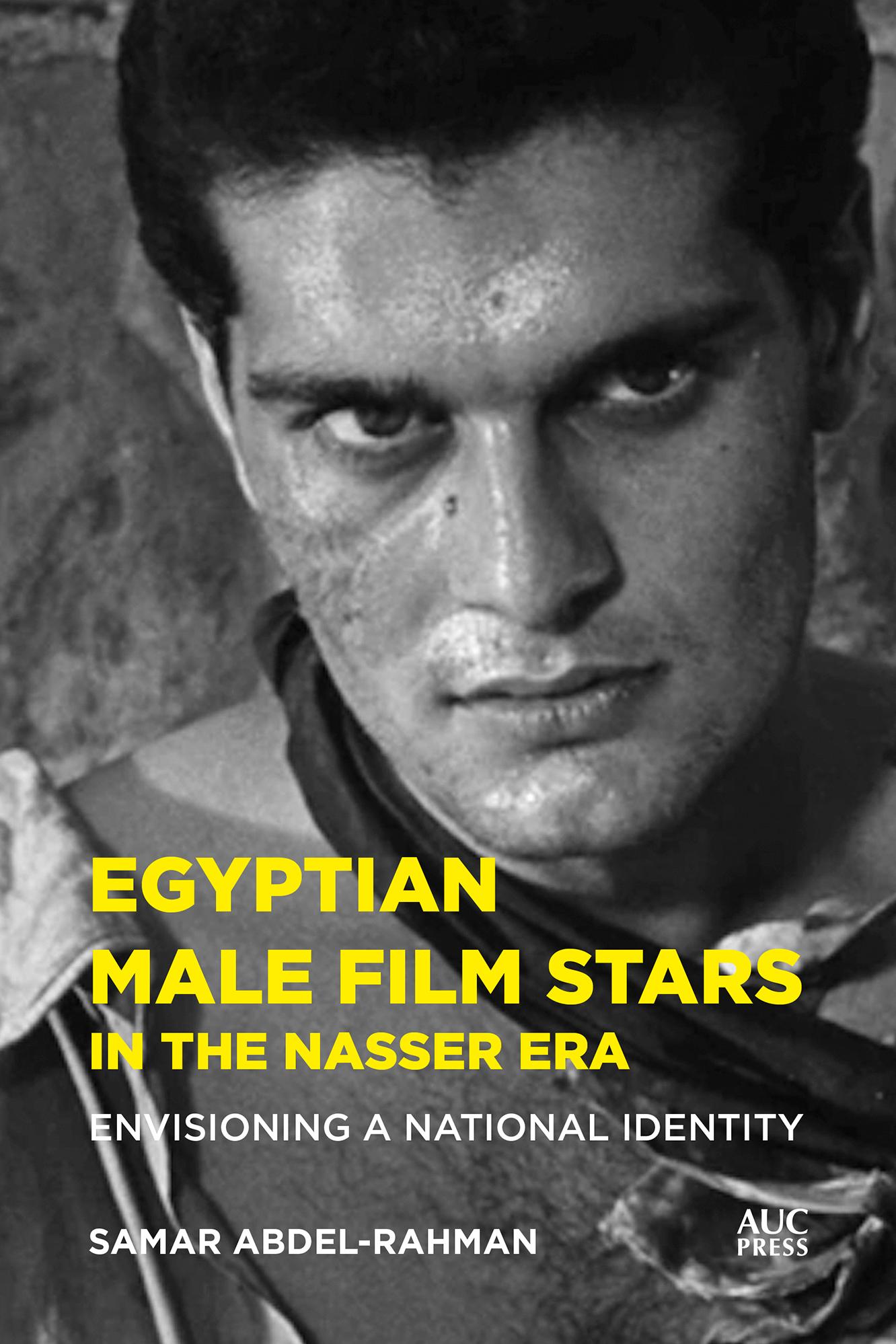
An exploration of male stardom in Egyptian cinema produced during the rule of Gamal Abdel Nasser
Following the Free Officers’ coup of July 1952, the new regime under Gamal Abdel Nasser sought to construct a new Egyptian civic identity, commensurate with the officers’ nationalist, anti-imperialist, and socialist vision for the country. The 1950s was consequently a pivotal decade for Egypt, politically, socially, and economically—and for Egyptian cinema—which saw the emergence of a new generation of popular film stars.
Rooted in cultural and film studies, Egyptian Male Film Stars in the Nasser Era explores male stardom in Egyptian cinema produced during this period, through the lives and careers of three key stars: Omar Sharif, Ismail Yassin, and Farid Shawqi. In attempting to find a balance between the traditional and the modern, the Nasser era placed an emphasis on education, work, and gender equality. Yet, faithfulness to Egyptian traditions and values remained a key part of the state’s vision of collective identity. Samar Abdel-Rahman illuminates how these stars promoted a civic identity that aligned with the regime’s ambitions, and how each of them—through melodrama, comedy, and action—negotiated a different facet of masculine identity that spoke to the ambivalent constructions of hegemonic masculinity during this critical post-colonial period.
Betal enkelt med kort, Klarna, Apple Pay eller Google Pay. Ikke fornøyd? Du har alltid 14 dagers angrerett. Les mer i våre vilkår. Har du spørsmål, send oss en e-post på hello@memmo.org.
Memmo gjør det enklere å studere – uansett hvor du er i verden. Hos oss samler du pensumbøker og smarte studieverktøy på ett og samme sted: sammendrag, quizer, podkaster og flashcards. Og så Ted, din studiekompis som svarer på alt du lurer på. Over 50 000 studenter studerer allerede her – bygget for at du skal lære raskere og stresse mindre.