
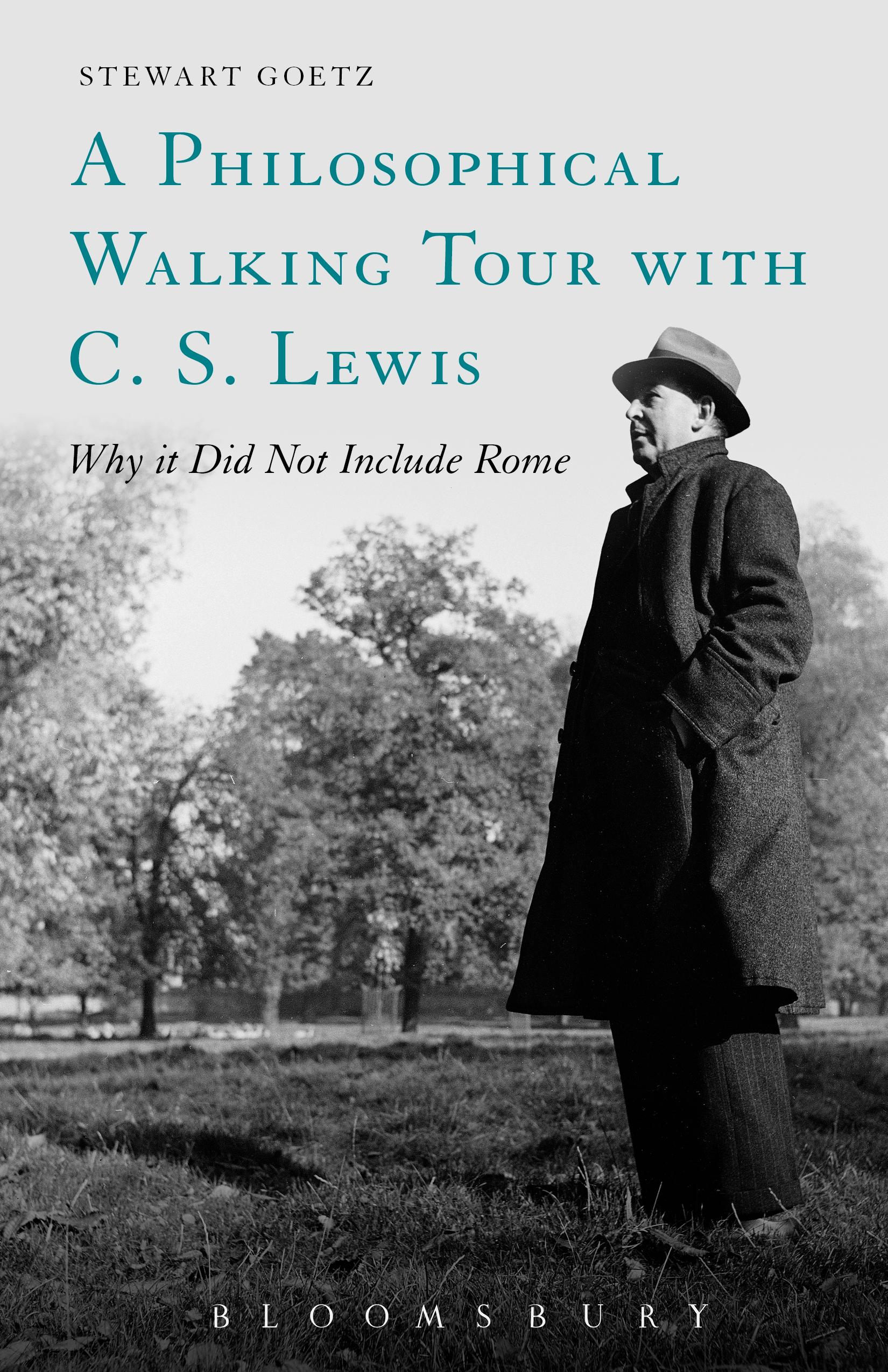
Although it has been almost seventy years since Time declared C.S. Lewis one of the world's most influential spokespersons for Christianity and fifty years since Lewis's death, his influence remains just as great if not greater today.
While much has been written on Lewis and his work, virtually nothing has been written from a philosophical perspective on his views of happiness, pleasure, pain, and the soul and body. As a result, no one so far has recognized that his views on these matters are deeply interesting and controversial, and-perhaps more jarring-no one has yet adequately explained why Lewis never became a Roman Catholic. Stewart Goetz's careful investigation of Lewis's philosophical thought reveals oft-overlooked implications and demonstrates that it was, at its root, at odds with that of Thomas Aquinas and, thereby, the Roman Catholic Church.
While much has been written on Lewis and his work, virtually nothing has been written from a philosophical perspective on his views of happiness, pleasure, pain, and the soul and body. As a result, no one so far has recognized that his views on these matters are deeply interesting and controversial, and-perhaps more jarring-no one has yet adequately explained why Lewis never became a Roman Catholic. Stewart Goetz's careful investigation of Lewis's philosophical thought reveals oft-overlooked implications and demonstrates that it was, at its root, at odds with that of Thomas Aquinas and, thereby, the Roman Catholic Church.
Betal enkelt med kort, Klarna, Apple Pay eller Google Pay. Ikke fornøyd? Du har alltid 14 dagers angrerett. Les mer i våre vilkår. Har du spørsmål, send oss en e-post på hello@memmo.org.
Memmo gjør det enklere å studere – uansett hvor du er i verden. Hos oss samler du pensumbøker og smarte studieverktøy på ett og samme sted: sammendrag, quizer, podkaster og flashcards. Og så Ted, din studiekompis som svarer på alt du lurer på. Over 50 000 studenter studerer allerede her – bygget for at du skal lære raskere og stresse mindre.