
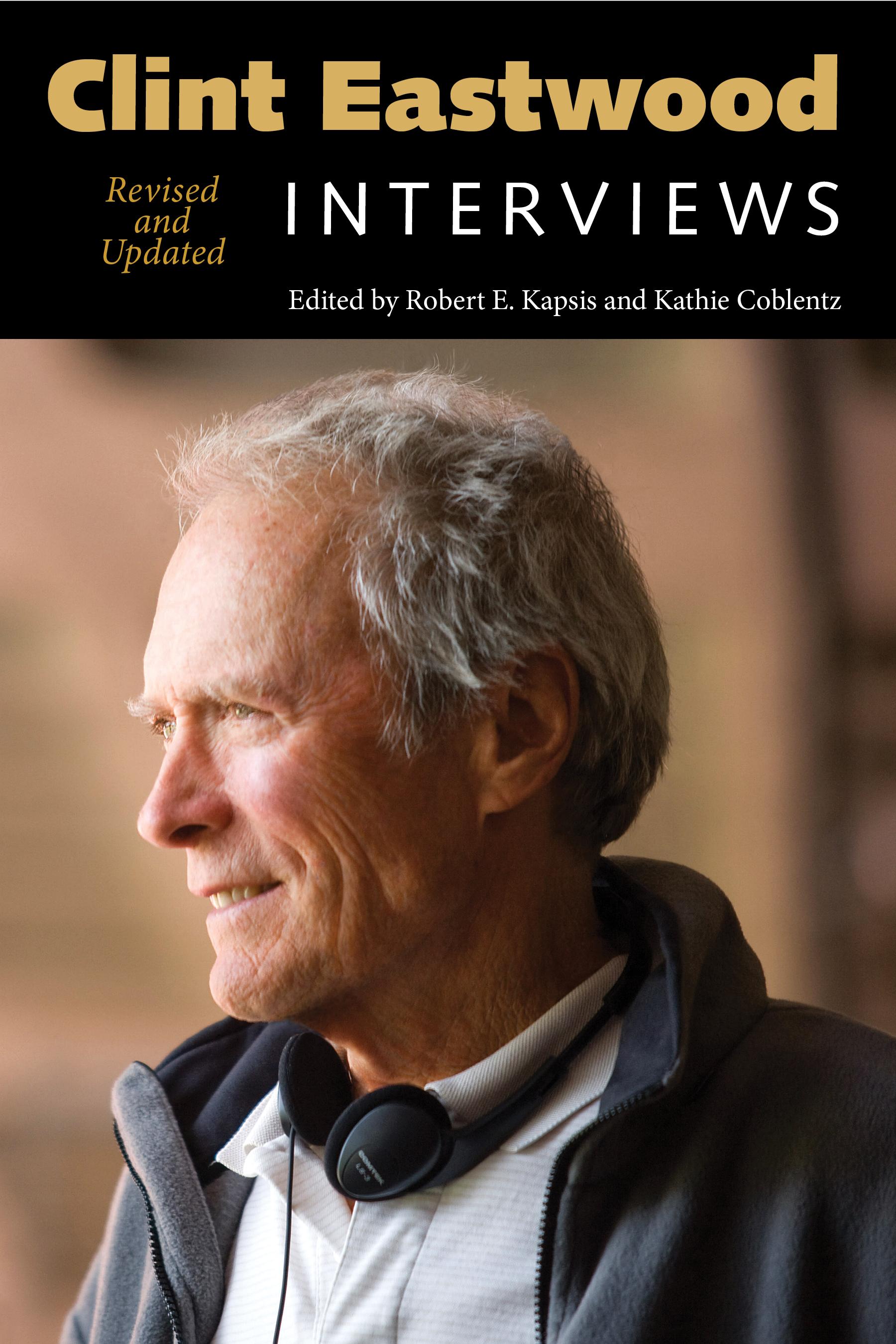
Clint Eastwood (b. 1930) is the only popular American dramatic star to have shaped his own career almost entirely through films of his own producing, frequently under his own direction; no other dramatic star has directed himself so often. He is also one of the most prolific active directors, with thirty-three features to his credit since 1971.
As a star, he is often recalled primarily for two early roles—the “Man with No Name” of three European-made Westerns, and the uncompromising cop “Dirty” Harry Callahan. But on his own as a director, Eastwood has steered a remarkable course. A film industry insider who works through the established Hollywood system and respects its traditions, he remains an outsider by steadfastly refusing to heed cultural and aesthetic trends in film production and film style. His films as director have examined an eclectic variety of themes, ranging from the artist's life to the nature of heroism, while frequently calling into question the ethos of masculinity and his own star image. Yet they have remained accessible to a popular audience worldwide. With two Best Director and two Best Picture Oscars to his credit, Eastwood now ranks among the most highly honored living filmmakers.
These interviews range over the more than four decades of Eastwood's directorial career, with an emphasis on practical filmmaking issues and his philosophy as a filmmaker. Nearly a third are from European sources—several appearing here in English for the first time.
As a star, he is often recalled primarily for two early roles—the “Man with No Name” of three European-made Westerns, and the uncompromising cop “Dirty” Harry Callahan. But on his own as a director, Eastwood has steered a remarkable course. A film industry insider who works through the established Hollywood system and respects its traditions, he remains an outsider by steadfastly refusing to heed cultural and aesthetic trends in film production and film style. His films as director have examined an eclectic variety of themes, ranging from the artist's life to the nature of heroism, while frequently calling into question the ethos of masculinity and his own star image. Yet they have remained accessible to a popular audience worldwide. With two Best Director and two Best Picture Oscars to his credit, Eastwood now ranks among the most highly honored living filmmakers.
These interviews range over the more than four decades of Eastwood's directorial career, with an emphasis on practical filmmaking issues and his philosophy as a filmmaker. Nearly a third are from European sources—several appearing here in English for the first time.
Betal enkelt med kort, Klarna, Apple Pay eller Google Pay. Ikke fornøyd? Du har alltid 14 dagers angrerett. Les mer i våre vilkår. Har du spørsmål, send oss en e-post på hello@memmo.org.
Memmo gjør det enklere å studere – uansett hvor du er i verden. Hos oss samler du pensumbøker og smarte studieverktøy på ett og samme sted: sammendrag, quizer, podkaster og flashcards. Og så Ted, din studiekompis som svarer på alt du lurer på. Over 50 000 studenter studerer allerede her – bygget for at du skal lære raskere og stresse mindre.
Du vil kanskje også like
Kjøp boken0