
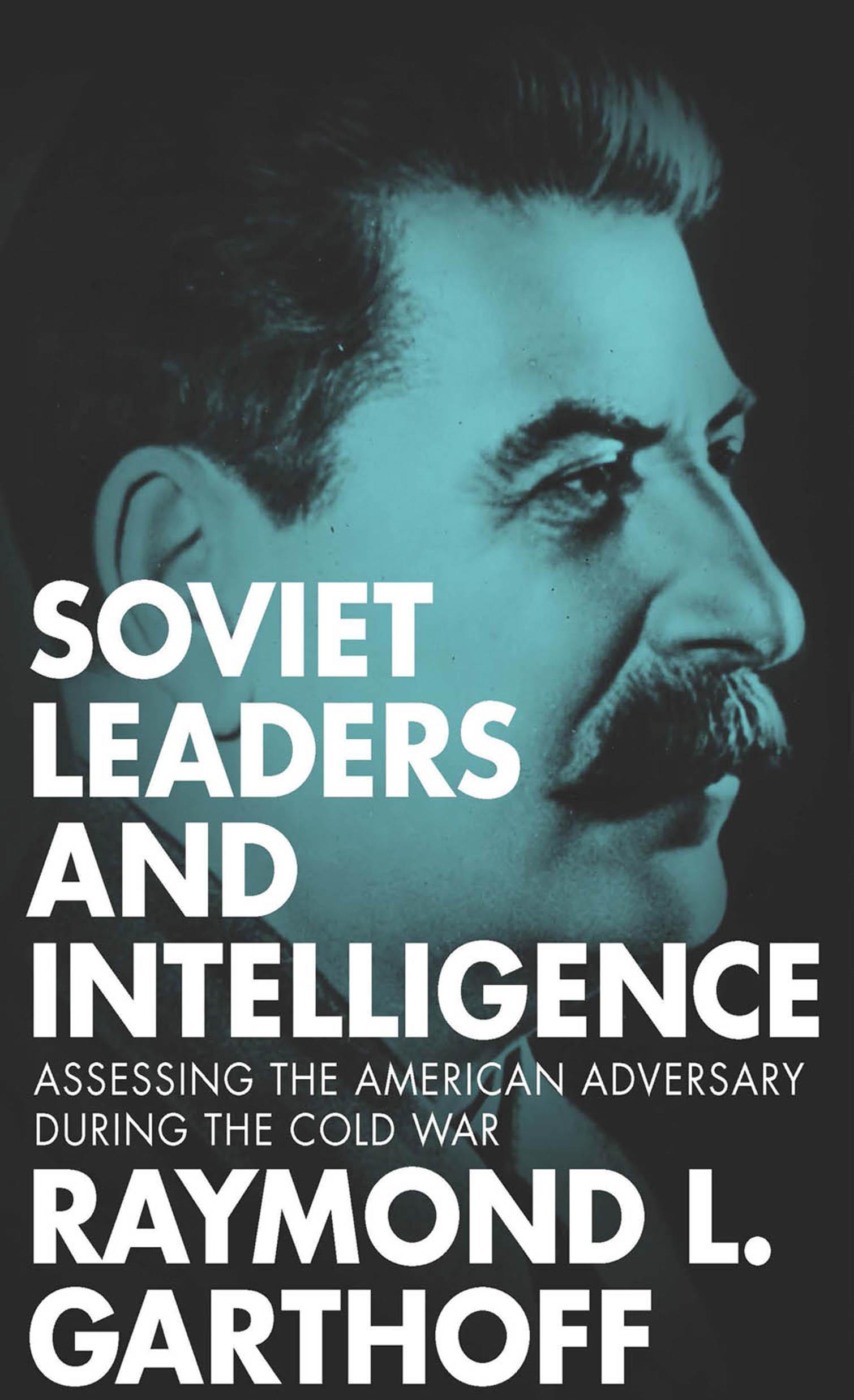
During the Cold War, the political leadership of the Soviet Union avidly sought intelligence about its main adversary, the United States. Although effective on an operational level, Soviet leaders and their intelligence chiefs fell short when it came to analyzing intelligence. Soviet leaders were often not receptive to intelligence that conflicted with their existing beliefs, and analysts were reluctant to put forward assessments that challenged ideological orthodoxy.
There were, however, important changes over time. Ultimately the views of an enlightened Soviet leader, Gorbachev, trumped the ideological blinders of his predecessors and the intelligence service’s dedication to an endless duel with their ideologically spawned “main adversary," making it possible to end the Cold War.
Raymond Garthoff draws on over five decades of personal contact with Soviet diplomats, intelligence officers, military leaders, and scholars during his remarkable career as an analyst, senior diplomat, and historian. He also builds on previous scholarship and examines documents from Soviet and Western archives. Soviet Leaders and Intelligence offers an informed and highly readable assessment of how the Soviets understood—and misunderstood—the intentions and objectives of their Cold War adversary.
Betal enkelt med kort, Klarna, Apple Pay eller Google Pay. Ikke fornøyd? Du har alltid 14 dagers angrerett. Les mer i våre vilkår. Har du spørsmål, send oss en e-post på hello@memmo.org.
Memmo gjør det enklere å studere – uansett hvor du er i verden. Hos oss samler du pensumbøker og smarte studieverktøy på ett og samme sted: sammendrag, quizer, podkaster og flashcards. Og så Ted, din studiekompis som svarer på alt du lurer på. Over 50 000 studenter studerer allerede her – bygget for at du skal lære raskere og stresse mindre.