
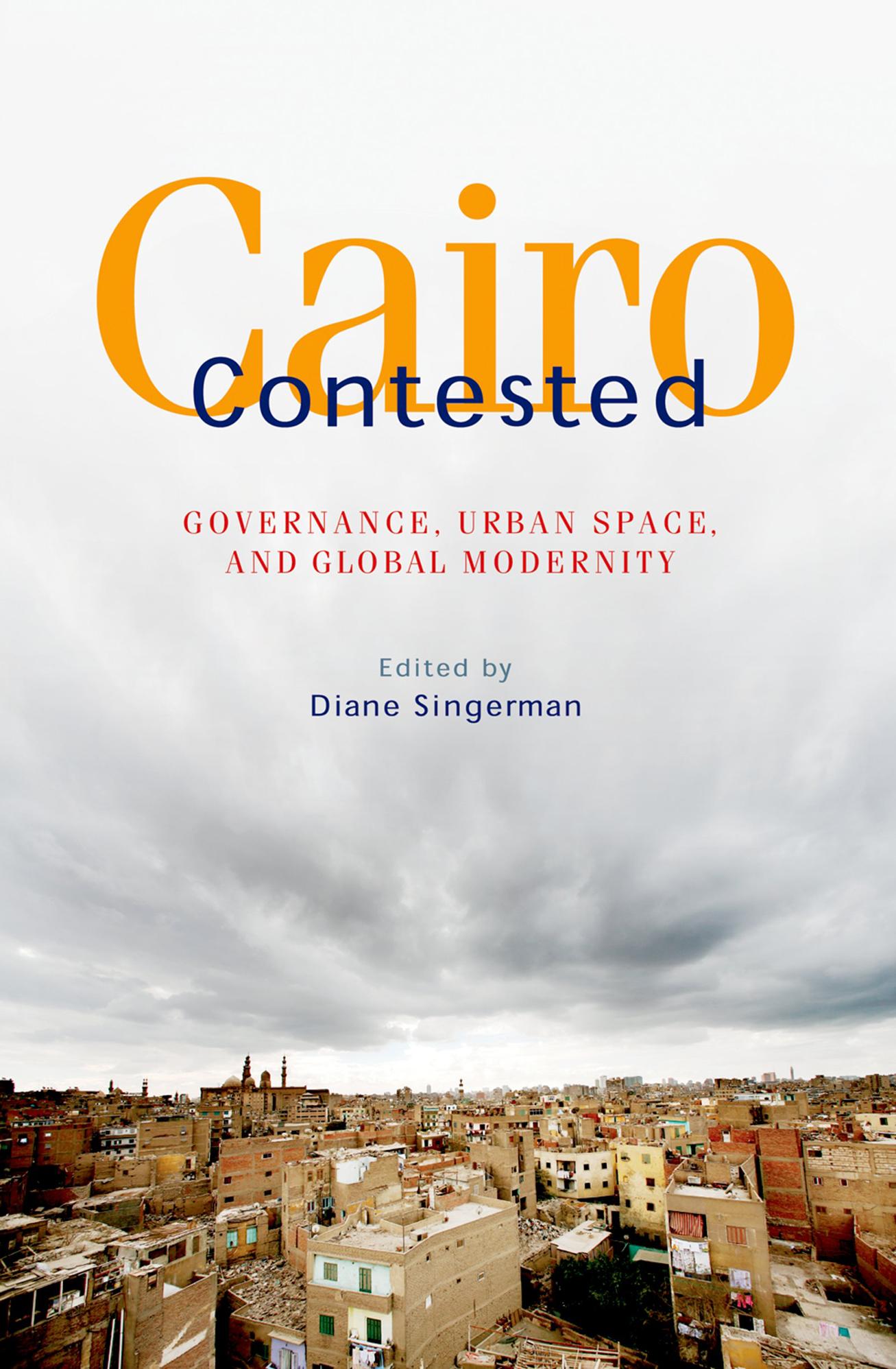
This cross-disciplinary, ethnographic, contextualized, and empirical volume explores the meaning and significance of urban space, and maps the spatial inscription of power on the mega-city of Cairo. Suspicious of collective life and averse to power-sharing, Egyptian governance structures weaken but do not stop the public's role in the remaking of their city. What happens to a city where neo-liberalism has scaled back public services and encouraged the privatization of public goods, while the vast majority cannot afford the effects of such policies? Who wins and loses in the "march to the modern and the global" as the government transforms urban spaces and markets in the name of growth, security, tourism, and modernity? How do Cairenes struggle with an ambiguous and vulnerable legal and bureaucratic environment when legality is a privilege affordable only to the few or the connected? This companion volume to Cairo Cosmopolitan (AUC Press, 2006) further develops the central insights of the Cairo School of Urban Studies.
Betal enkelt med kort, Klarna, Apple Pay eller Google Pay. Ikke fornøyd? Du har alltid 14 dagers angrerett. Les mer i våre vilkår. Har du spørsmål, send oss en e-post på hello@memmo.org.
Memmo gjør det enklere å studere – uansett hvor du er i verden. Hos oss samler du pensumbøker og smarte studieverktøy på ett og samme sted: sammendrag, quizer, podkaster og flashcards. Og så Ted, din studiekompis som svarer på alt du lurer på. Over 50 000 studenter studerer allerede her – bygget for at du skal lære raskere og stresse mindre.
Du vil kanskje også like
Kjøp boken0