
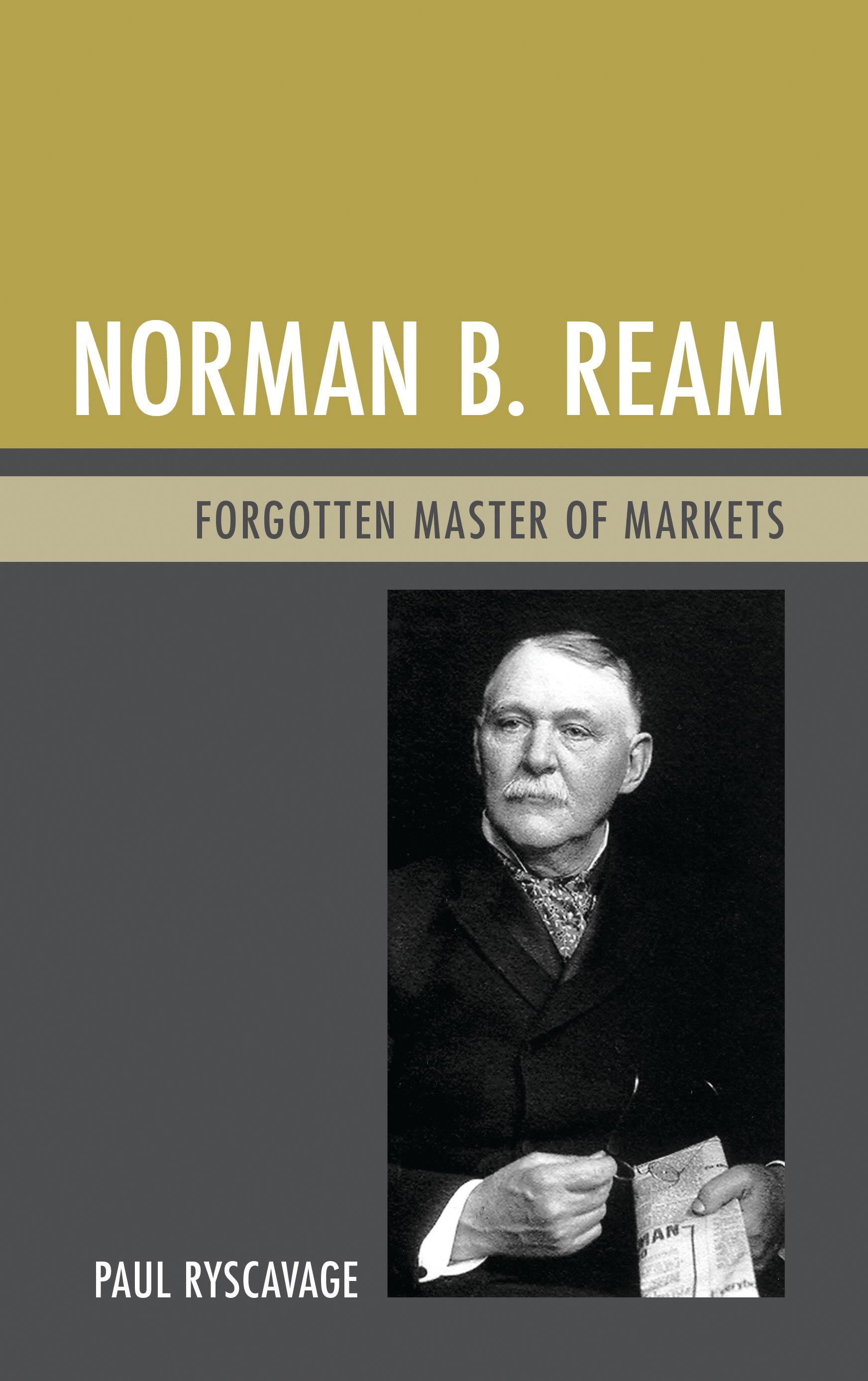
Norman Bruce Ream was born in southwestern Pennsylvania in 1844, the son of a farmer. He exhibited a commercial sense, but the Civil War interrupted his ambitions. Wounded twice, he returned home a hero.
After some unsuccessful business ventures out west, he went to Chicago in 1871 and became a commission merchant in the Union Stockyards. A few years later, he moved uptown and traded grains and provisions in the pits of the Board of Trade. Money poured in. Indeed, by 1886 he was a millionaire (also married and the father of several children). He started investing in real estate, urban transit companies, railroad stock—and began consolidating and financing enterprises.
At century’s end, he was traveling to New York City, impressing financiers like J. Pierpont Morgan. Indeed, he helped Morgan put together the U.S. Steel Corporation and the International Harvester Company, served on many boards, and even advised Morgan during the panic of 1907. But life grew turbulent. Public sentiment soured towards Wall Street and the wealthy. This, along with the presumed indiscretions of some of his children, kept his name in the press. He died in 1915, and gradually, his life was forgotten.
After some unsuccessful business ventures out west, he went to Chicago in 1871 and became a commission merchant in the Union Stockyards. A few years later, he moved uptown and traded grains and provisions in the pits of the Board of Trade. Money poured in. Indeed, by 1886 he was a millionaire (also married and the father of several children). He started investing in real estate, urban transit companies, railroad stock—and began consolidating and financing enterprises.
At century’s end, he was traveling to New York City, impressing financiers like J. Pierpont Morgan. Indeed, he helped Morgan put together the U.S. Steel Corporation and the International Harvester Company, served on many boards, and even advised Morgan during the panic of 1907. But life grew turbulent. Public sentiment soured towards Wall Street and the wealthy. This, along with the presumed indiscretions of some of his children, kept his name in the press. He died in 1915, and gradually, his life was forgotten.
Betal enkelt med kort, Klarna, Apple Pay eller Google Pay. Ikke fornøyd? Du har alltid 14 dagers angrerett. Les mer i våre vilkår. Har du spørsmål, send oss en e-post på hello@memmo.org.
Memmo gjør det enklere å studere – uansett hvor du er i verden. Hos oss samler du pensumbøker og smarte studieverktøy på ett og samme sted: sammendrag, quizer, podkaster og flashcards. Og så Ted, din studiekompis som svarer på alt du lurer på. Over 50 000 studenter studerer allerede her – bygget for at du skal lære raskere og stresse mindre.