
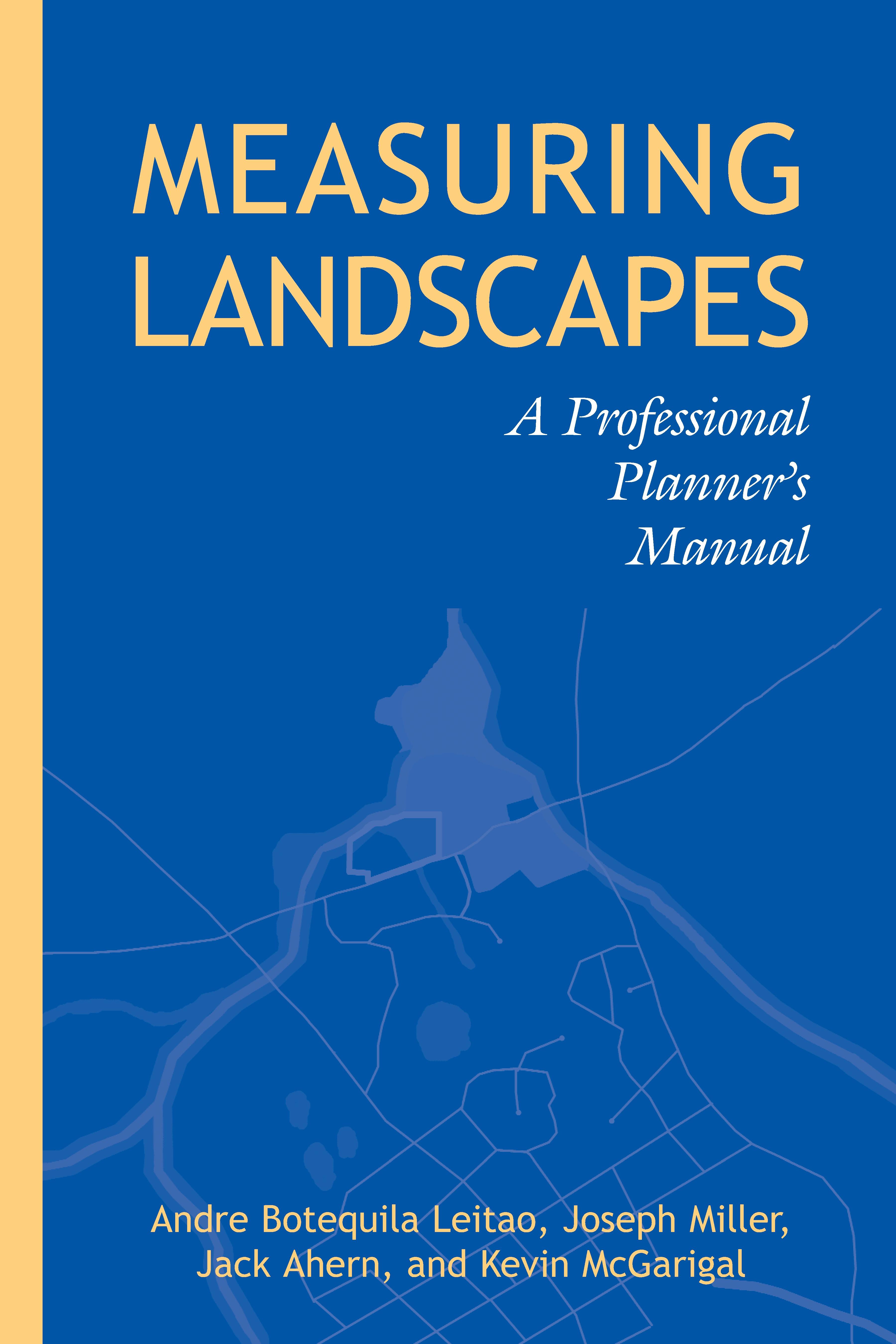
This practical handbook bridges the gap between those scientists who study landscapes and the planners and conservationists who must then decide how best to preserve and build environmentally-sound habitats. Until now, only a small portion of the relevant science has influenced the decision-making arenas where the future of our landscapes is debated and decided.
The authors explain specific tools and concepts to measure a landscape's structure, form, and change over time. Metrics studied include patch richness, class area proportion, patch number and density, mean patch size, shape, radius of gyration, contagion, edge contrast, nearest neighbor distance, and proximity. These measures will help planners and conservationists make better land use decisions for the future.
Betal enkelt med kort, Klarna, Apple Pay eller Google Pay. Ikke fornøyd? Du har alltid 14 dagers angrerett. Les mer i våre vilkår. Har du spørsmål, send oss en e-post på hello@memmo.org.
Memmo gjør det enklere å studere – uansett hvor du er i verden. Hos oss samler du pensumbøker og smarte studieverktøy på ett og samme sted: sammendrag, quizer, podkaster og flashcards. Og så Ted, din studiekompis som svarer på alt du lurer på. Over 50 000 studenter studerer allerede her – bygget for at du skal lære raskere og stresse mindre.